The salt and lime ritual exists for a reason, and the reason is not flattering to the tequila it was designed for. Salt and citrus suppress bitterness and mask harshness, which is exactly what a rough mixto needs and exactly what a good 100 per cent agave tequila does not.
Where did the ritual come from?
It spread internationally alongside cheap mixto exports in the twentieth century. The sequence of salt, shot and lime is designed to get the spirit down quickly with as little contact as possible, which tells you what the spirit was like.
It is not a Mexican tradition in any meaningful sense. In Mexico, good tequila is sipped slowly, often over a long period, and frequently alongside food.
How is it served traditionally?
In a caballito, a tall narrow glass, or increasingly in a veladora, a short wide candle-style glass that gives more surface area for the aroma. A copita or a small wine glass works equally well and is better for assessing the spirit.
It is served at room temperature, neat, in a modest measure, and drunk slowly. Chilling suppresses the agave aromatics that distinguish one tequila from another.
What is sangrita?
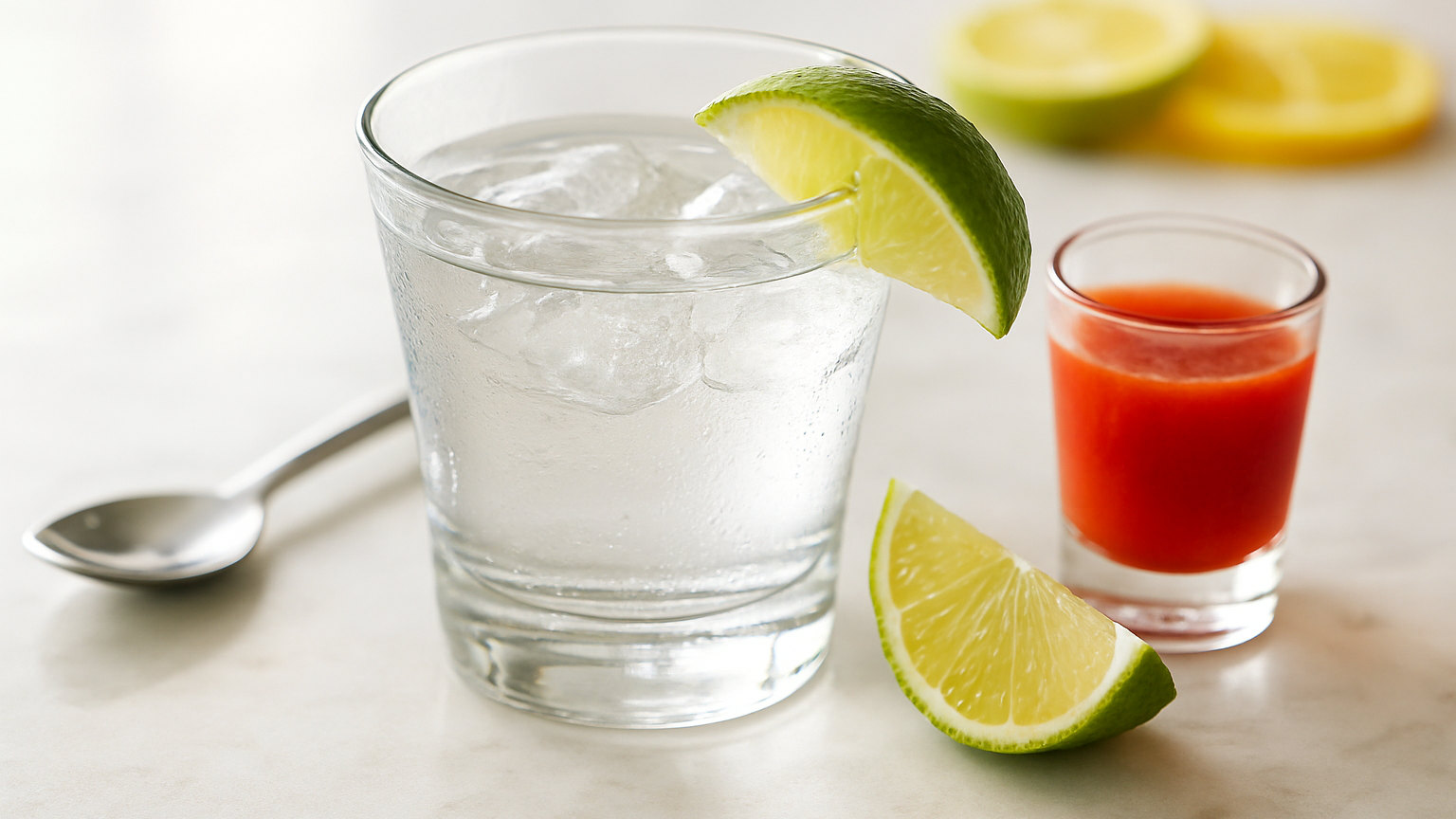
A non alcoholic accompaniment served in a separate small glass alongside the tequila, sipped alternately. Traditional sangrita is made from citrus juice, usually orange and lime, with chilli and sometimes pomegranate.
Commercial versions are often tomato based, which is a later variation. Either way, the point is that the acidity and heat sit alongside the tequila rather than being poured over it, and the pairing works genuinely well.
The combination of a caballito of tequila and a caballito of sangrita is the standard serve in much of Mexico and is worth trying if your only experience is the shot.
How do you taste tequila?
- Pour a small measure into a glass that narrows slightly at the top.
- Let it sit for a minute. Tequila opens noticeably with a little air.
- Smell with your mouth slightly open, which reduces the alcohol sting.
- Take a small sip and hold it briefly. The first sip mostly registers alcohol; the second tells you something.
- Note the finish, which is where sweetness from additives is easiest to detect.
Look for cooked agave, black pepper, citrus, herbs, minerality and, in aged expressions, vanilla and oak. A syrupy coating that lingers usually indicates additives rather than quality.
Should you add water or ice?
A few drops of water can help with a high strength bottling, in the same way it does with whisky. Ice is a matter of preference and works well on a warm day, at the cost of muting aroma.
A tequila highball with soda and lime, sometimes called a ranch water when made with sparkling mineral water, is an excellent long drink and treats good tequila far better than a shot does.
What food goes with it?
Citrus, chilli, salt and fat all work. Orange slices with chilli salt are a common accompaniment, as are tacos, ceviche and grilled meat. The bright acidity of blanco tequila cuts through rich food in a way that suits it to the table rather than only to the bar.
Is there anything wrong with shots?
Not if that is what you want, and there is no obligation to be reverent about a drink. What is worth knowing is that the ritual was built around a product that needed it, and that a decent blanco sipped slowly is a completely different experience from the one most people remember.
If tequila is a spirit you have written off, the most useful experiment is a good 100 per cent agave blanco, at room temperature, in a small glass, with something salty to eat. It converts a surprising number of people.
What is a bandera?
Three small glasses served together, containing lime juice, blanco tequila and sangrita, matching the green, white and red of the Mexican flag. The drinker alternates between them rather than mixing.
It is a sociable way to serve tequila with food and a good demonstration of how acidity, spirit and spice interact when kept separate instead of shaken together.