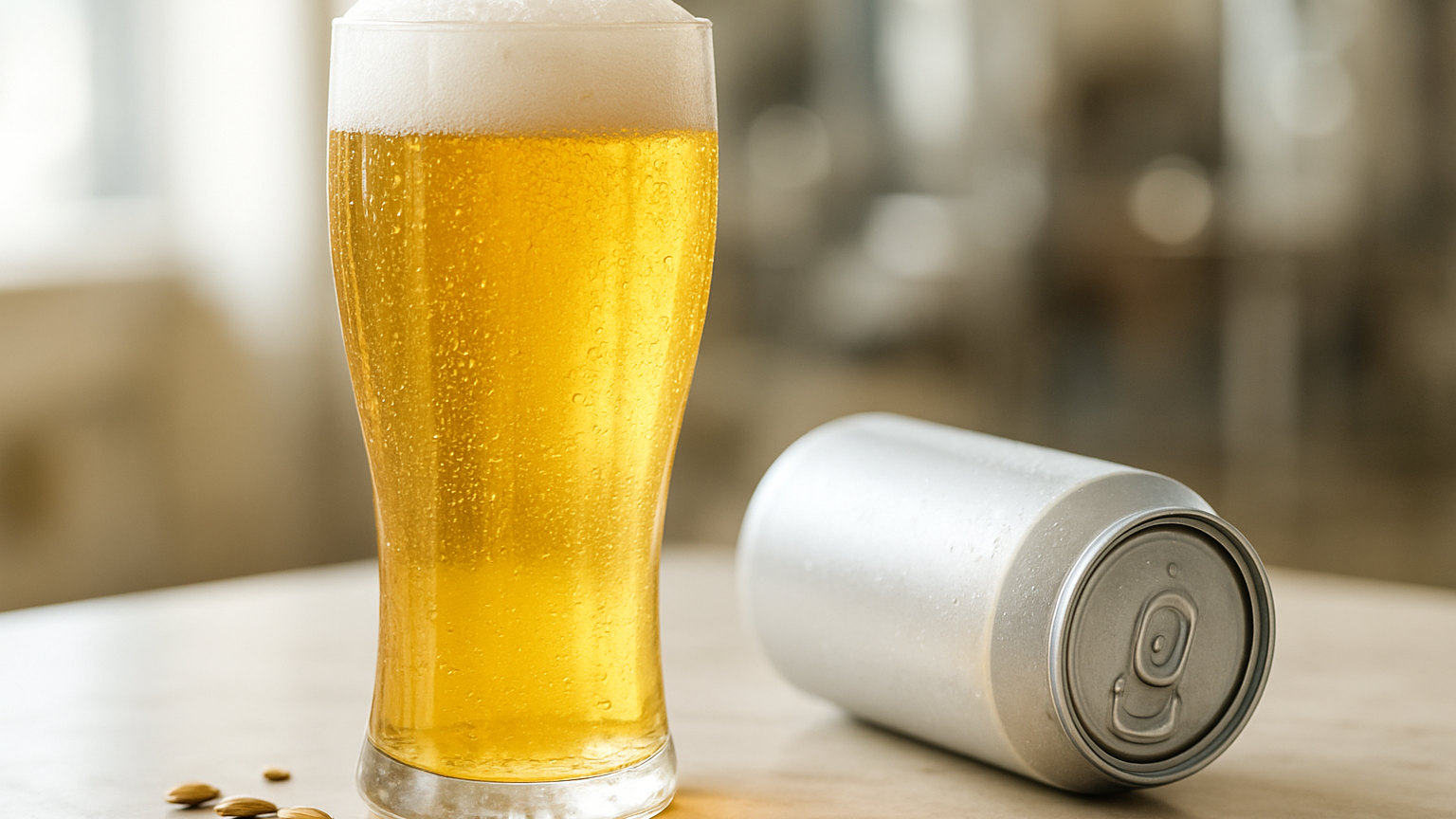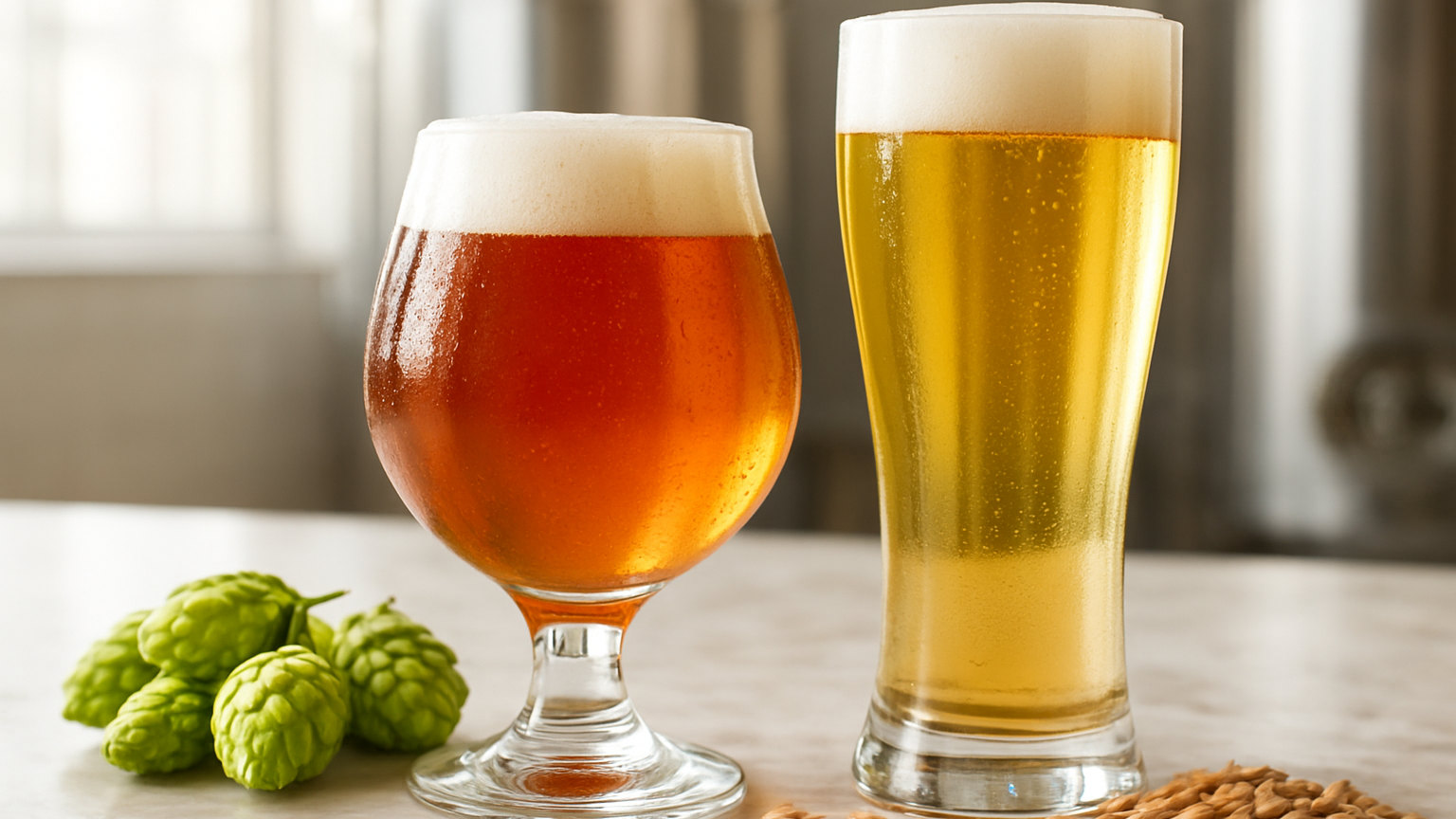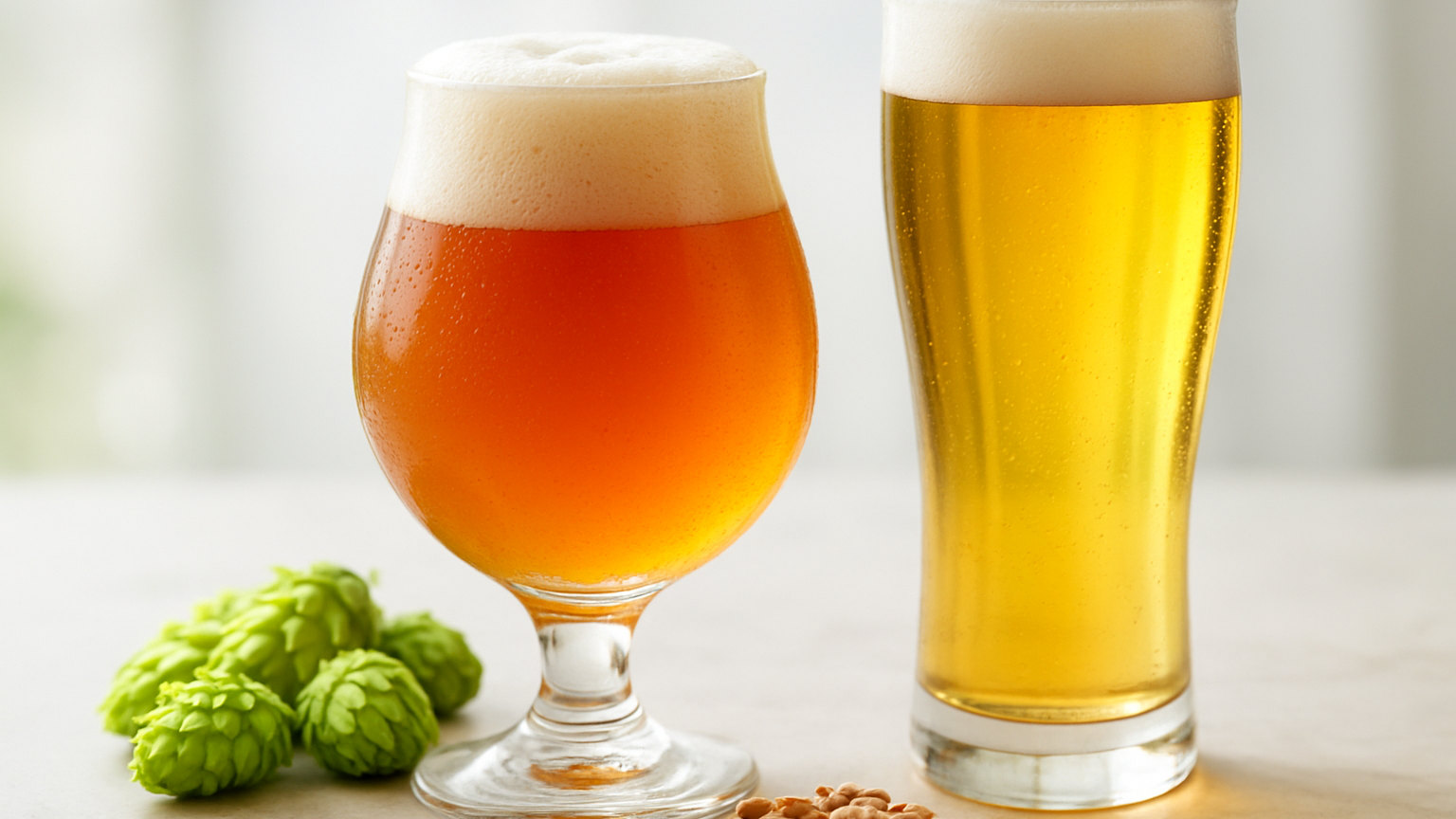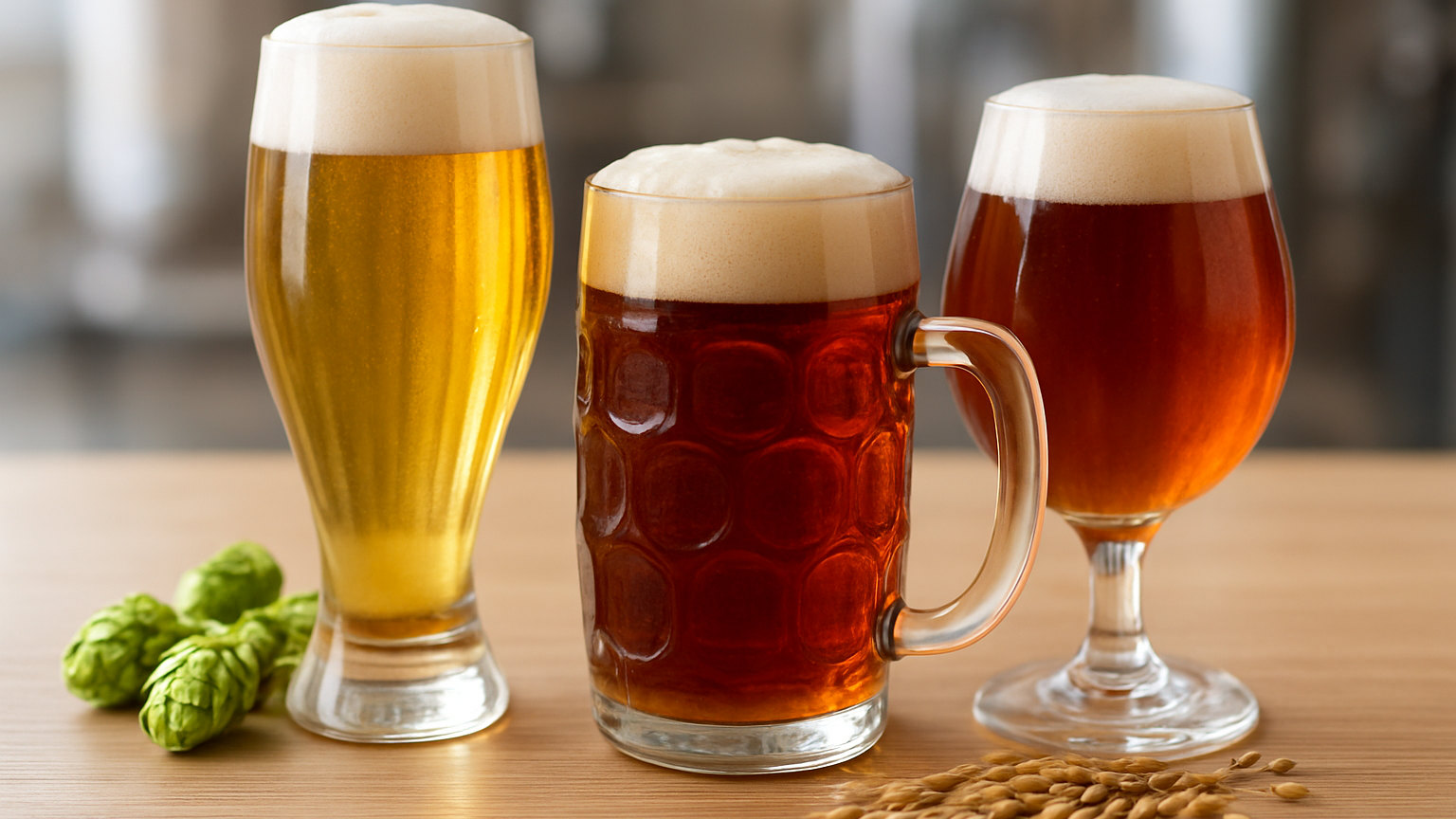
British drinkers generally encounter German beer as either a pale lager or a wheat beer, which represents a small fraction of what the country makes. German brewing is intensely regional, and the lager family alone covers pale, amber, dark, strong and smoked beers, several of which are unlike anything sold in a supermarket.
The pale styles
Helles, meaning pale, is the everyday beer of Munich and the style most worth seeking out for anyone who thinks lager is bland. It is soft, malty and gently sweet with bread and honey notes, hopped enough for balance rather than for bitterness, and around five per cent. It is designed for drinking in quantity and is a considerably more satisfying beer than its simplicity suggests.
Pils is the drier, more bitter northern counterpart, crisper and paler with a lingering hop bitterness. The further north the brewery, the more assertive the bitterness tends to be.
Kölsch, from Cologne, is a hybrid: fermented warm with ale yeast and then conditioned cold like a lager. The result is pale, delicate and subtly fruity, and it is traditionally served in small cylindrical glasses replaced continually until the drinker puts a beer mat on top.
The dark styles
Dunkel, meaning dark, is the older Munich style that helles eventually displaced. It uses Munich malt to produce a deep brown beer tasting of bread crust, toast and light caramel, with no roasted bitterness and no heaviness. People expecting something like stout are usually surprised by how drinkable it is.
Schwarzbier, black beer, is darker still, from Thuringia and Saxony, with a dry roasted character closer to coffee while remaining a clean, light-bodied lager.
Märzen sits between the two, amber coloured and richly malty. It was historically brewed in March, before summer brewing became impractical, and stored through the warm months, which is how it became associated with autumn festivals.
The strong styles
Bock is a strong lager, traditionally around six and a half per cent, malty and full-bodied. Doppelbock goes further, typically seven per cent or more, and is associated with monastic brewing where it served as sustenance during fasting. Most doppelbock names end in the suffix -ator, a convention that began with one brewery and was adopted widely.
Eisbock is made by partially freezing a doppelbock and removing the ice, concentrating everything left behind. The results reach well into double figures and are sipped rather than drunk.
Maibock, or heller bock, is the pale spring version, strong but golden and more hop-forward.
The one that surprises people
Rauchbier, from Bamberg in Franconia, is made with malt dried over open beechwood fires, and the beer tastes emphatically of smoke. The comparison usually reached for is smoked bacon, and it is accurate.
First encounters divide people sharply. The standard advice from Bamberg is that the third glass is the one that makes sense, and there is something to it: the smoke recedes as the palate adjusts and the underlying märzen becomes apparent. With smoked or grilled food it works immediately.
Why the regionality survived
Germany retained an unusually large number of small breweries through the twentieth century, particularly in Bavaria and Franconia, where villages of a few hundred people may still have their own. Local styles persisted because local breweries did.
The practical consequence for a drinker is that the German lager section of a good beer shop contains more genuine variety than most craft ranges. If your experience of the category is limited to pale international lager, a helles, a dunkel and a rauchbier bought together will demonstrate how wide the family actually is, and none of them costs much.
Buying it in Britain
Freshness is the main obstacle. German lager travels, and a bottle that has spent months in transit and storage will have lost much of the delicate malt and hop character that distinguishes it.
Check dates where they are printed, prefer cans or brown glass over green, and buy from retailers with turnover. Several German breweries now supply the British market directly and a number of British brewers make credible versions of these styles, which solves the freshness problem entirely.