Glassware is sold in sets of eight shapes and most homes need three. Shape does affect the drinking experience, and the effect is smaller than the marketing implies and largely reducible to two considerations.
What shape actually does
A bowl that narrows towards the rim concentrates aroma above the liquid and directs it towards the nose. For any drink where smell matters, which is most of them, this is the one feature that genuinely helps.
The width of the opening affects how quickly a drink warms, since surface area drives heat exchange. A wide shallow glass warms faster than a narrow tall one.
A stem keeps the hand off the liquid, which matters for anything served without ice.
Beyond those three, most differences are custom and presentation.
Size matters more than shape
The point most often missed.
A martini made to a sensible recipe is around 115 millilitres after dilution. In a 250 millilitre glass it looks lost, which encourages a larger pour.
The drift towards larger glassware has quietly increased how much people drink, since a glass that looks half empty invites topping up.
Smaller glasses produce better drinks and more sensible measures at the same time. A stirred drink also stays cold if it is finished before it warms, which a smaller measure makes likely.
The three you need
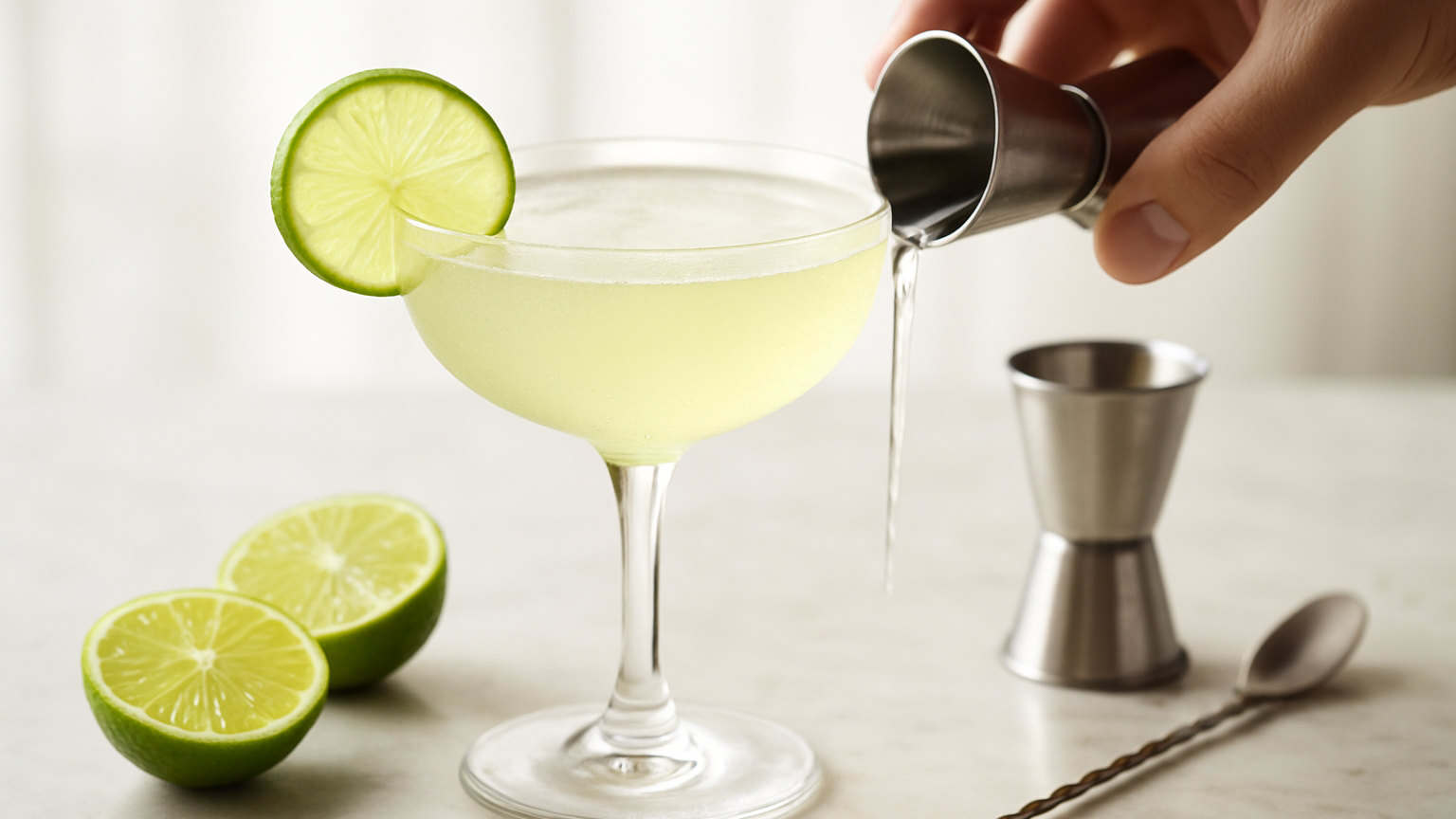
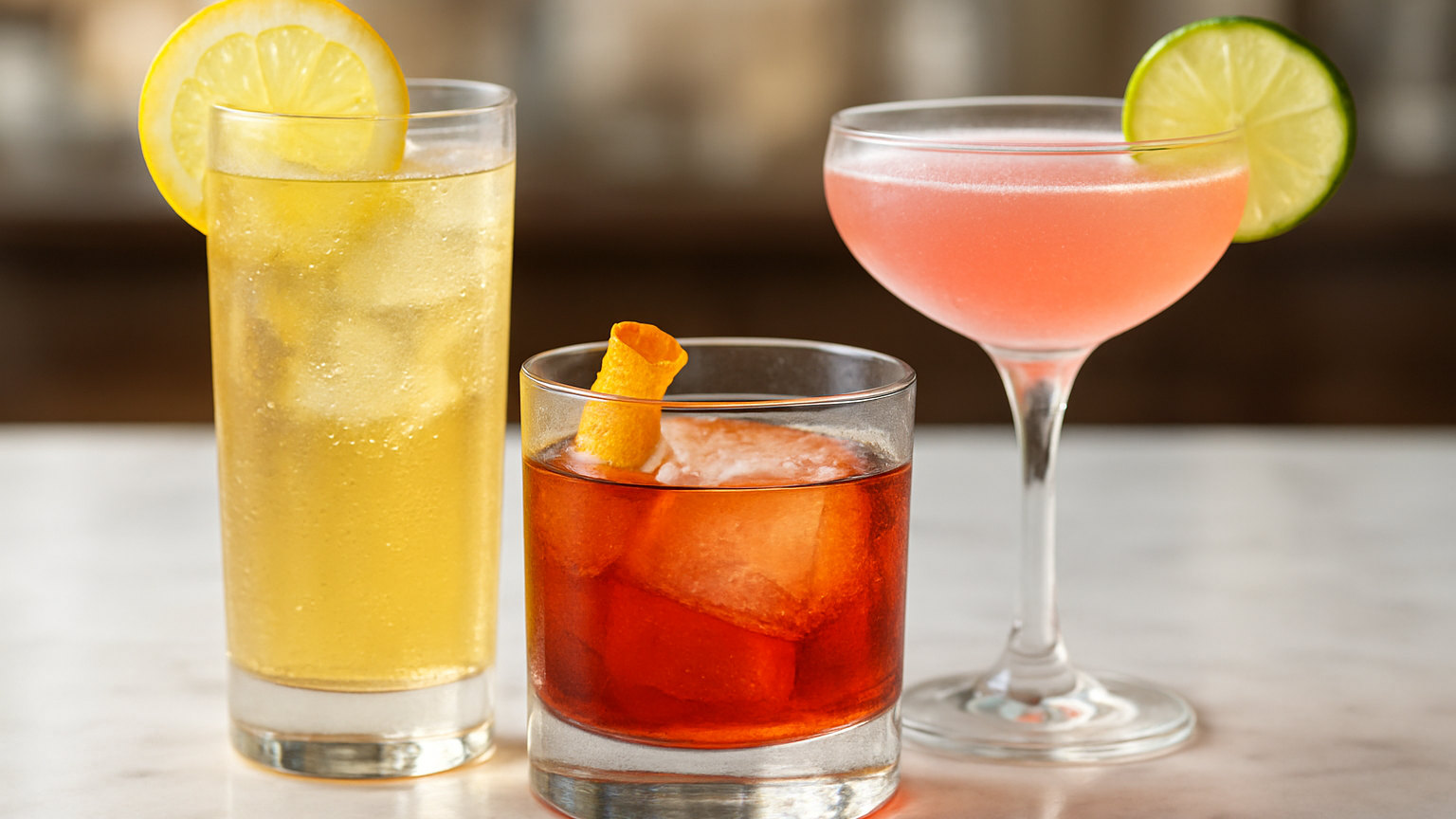
A small stemmed glass of around 150 millilitres for anything served up: martinis, manhattans, daiquiris, sidecars, sours without ice.
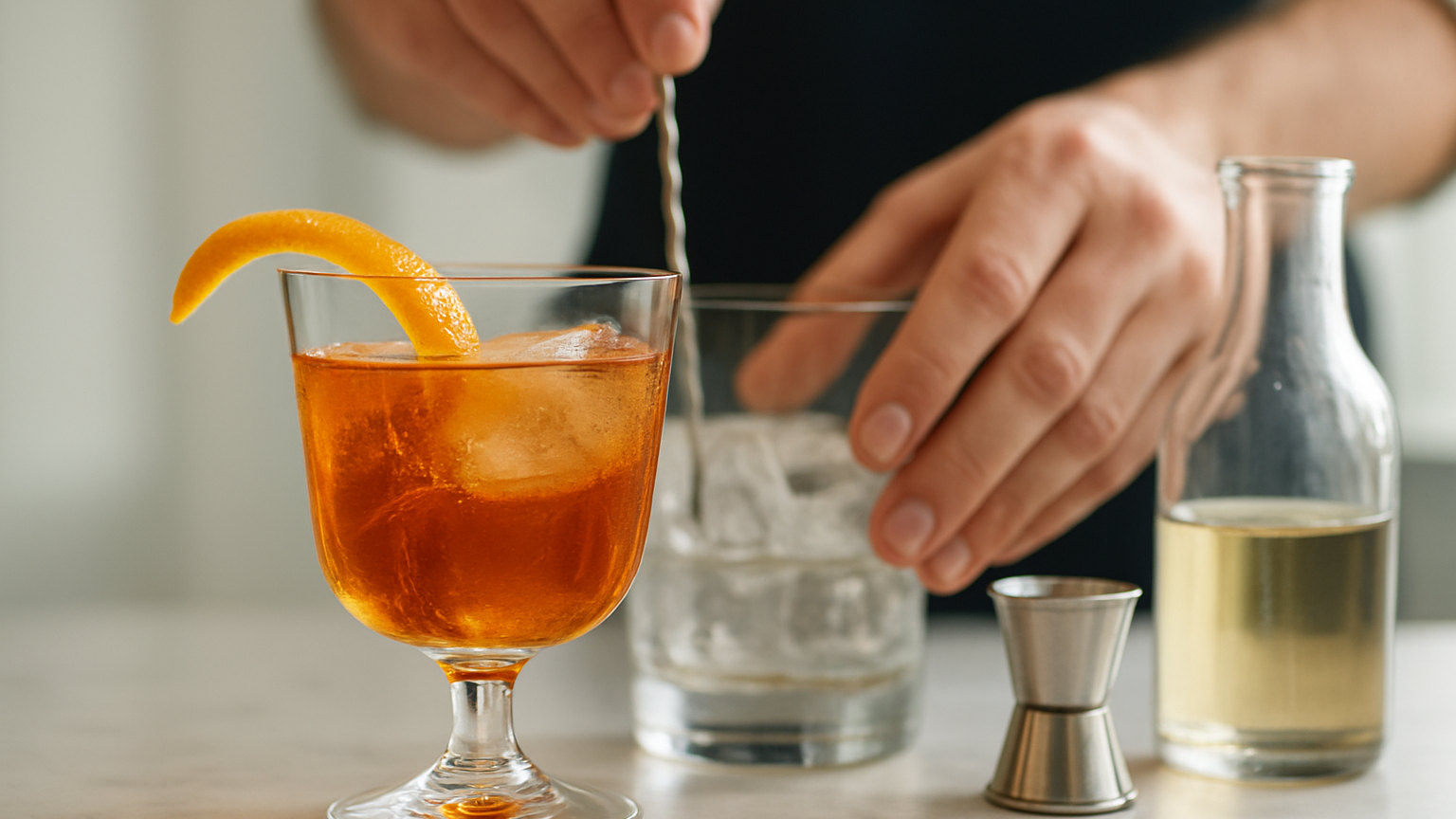
A rocks glass of around 250 to 300 millilitres for anything over ice: old fashioneds, negronis, whisky, anything with a large cube.
A tall glass of around 300 to 400 millilitres for highballs, which needs the height to hold enough ice.
Four of each covers a dinner party. That is the whole requirement.
Which stemmed glass
A coupe, the shallow rounded bowl, is the sensible default. The curved shape gathers aroma better than a cone and it is harder to spill.
A Nick and Nora, slightly taller with a gentle taper, is the current bartenders' favourite and concentrates aroma better still.
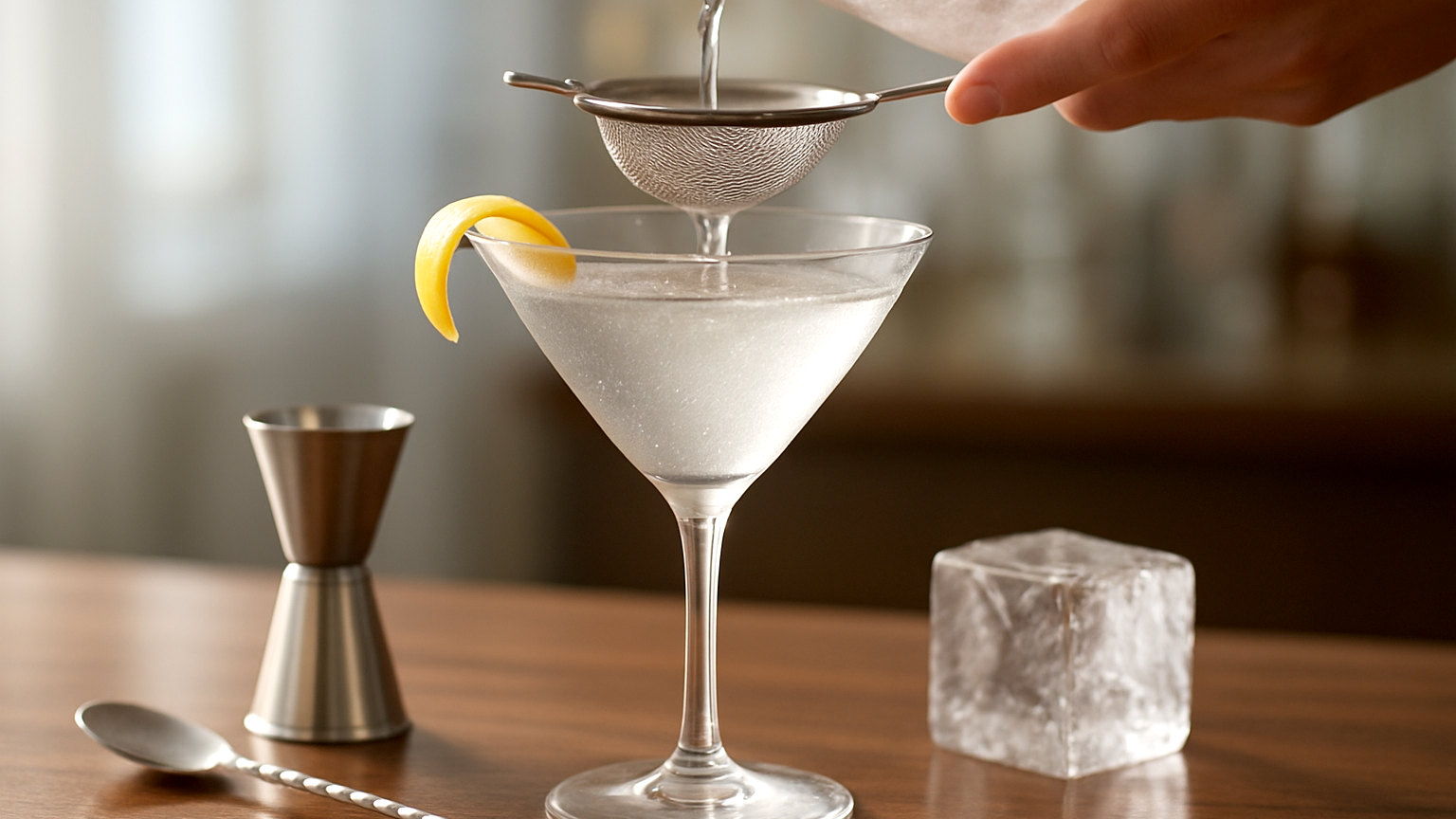
The classic V-shaped martini glass looks superb and is impractical: wide surface area, easy to spill, and usually far too large.
Sizes vary enormously within each shape, so check the capacity rather than the name.
When shape genuinely matters
For aromatic drinks, a narrowing bowl makes a real difference and a straight-sided glass wastes much of what you paid for.
For a wheat beer, the tall flaring glass exists to hold the enormous head, and nothing else does it.
For sparkling drinks, a narrower opening retains carbonation longer.
For hot drinks, a handle and toughened glass are a practical necessity rather than a style choice.
What matters more than any of it
Cleanliness. Detergent residue and fat destroy foam and dull aroma, so a correctly shaped dirty glass is worse than a plain clean one.
Rinse thoroughly, air dry inverted and store upright.
Temperature. A chilled glass keeps a drink cold; a room-temperature one undoes a carefully made cocktail within minutes.
Both of these are free and both matter more than owning eight shapes.
Buying them
Inexpensive glasses are fine, and there is no need to spend heavily.
Thinner rims are pleasanter to drink from and break more easily, which is the only real trade-off.
Buy four rather than two, since one will break and an odd number is awkward.
Chilling them
The step that matters more than the shape.
Ten minutes in a freezer is enough, and keeping two glasses in there permanently is a reasonable habit for anyone who makes stirred drinks.
Otherwise fill the glass with ice and cold water while you work, and discard it just before straining. It costs no extra time and it is the difference between a drink that is still cold at the end and one that is not.
Breakage
Thin rims break, and stems break more often than bowls.
Hold stemmed glasses by the bowl when washing and drying, and never twist the stem, which is how most of them go.