Rye whiskey is defined in the United States as a whiskey made from a mash of at least 51 per cent rye, distilled to no more than 80 per cent alcohol and aged in new charred oak. The rules mirror bourbon almost exactly, with one grain swapped for another, and that single change alters the character completely.
What does rye actually taste of?
The words that come up repeatedly are peppery, dry, spicy and herbal. Where corn brings sweetness and a rounded body, rye brings a sharper edge: black pepper, dill, mint, caraway and a note that many people describe as resembling rye bread, which is not a coincidence.
Rye whiskey also tends to feel leaner in the mouth. Bourbon coats; rye cuts. That difference is what makes rye so effective in mixed drinks, because it pushes through sugar and vermouth rather than adding to the sweetness already present.
Why does the proportion of rye matter?
A whiskey at the legal minimum of 51 per cent rye with the rest corn will still carry noticeable sweetness and be relatively approachable. At 95 per cent, a mash bill used by several well known producers, the spice is dominant and the whiskey can be startling if you were expecting bourbon.
- Barely legal rye, around 51 to 60 per cent, sits close to a high rye bourbon and works as a gentle introduction.
- Mid range rye, around 60 to 80 per cent, is the traditional balance and covers most classic cocktail applications.
- Rye heavy bottlings, 95 per cent and above, are intense, dry and best approached after you know you like the style.
Some bottles are made entirely from rye, including a proportion of malted rye, which adds a chocolatey depth.
How is Canadian rye different?
This is the most common source of confusion. In Canada, the word rye is used historically and loosely, and a bottle labelled Canadian rye may contain very little rye grain. Canadian regulations require the whisky to be mashed, distilled and aged in Canada for at least three years and to possess the character generally attributed to Canadian whisky, which is not a grain specification.
Canadian producers also blend differently, distilling each grain separately to high strength and combining the results afterwards. The typical result is lighter and smoother than American rye. Some Canadian producers do make genuinely rye heavy whisky and say so clearly on the label, and those bottles can be excellent.
Why did rye nearly disappear?
Rye was the dominant American whiskey style before Prohibition, particularly in Pennsylvania and Maryland, where the Monongahela style was famous. Prohibition closed the distilleries, and when production resumed, tastes had shifted towards lighter spirits and Kentucky corn whiskey had the infrastructure and the marketing.
By the 1980s rye was close to extinct as a category. Its revival came with the cocktail renaissance of the 2000s, when bartenders reading pre-Prohibition recipe books realised that drinks such as the manhattan and the sazerac were written for rye and taste noticeably better made that way.
Which cocktails is rye best in?
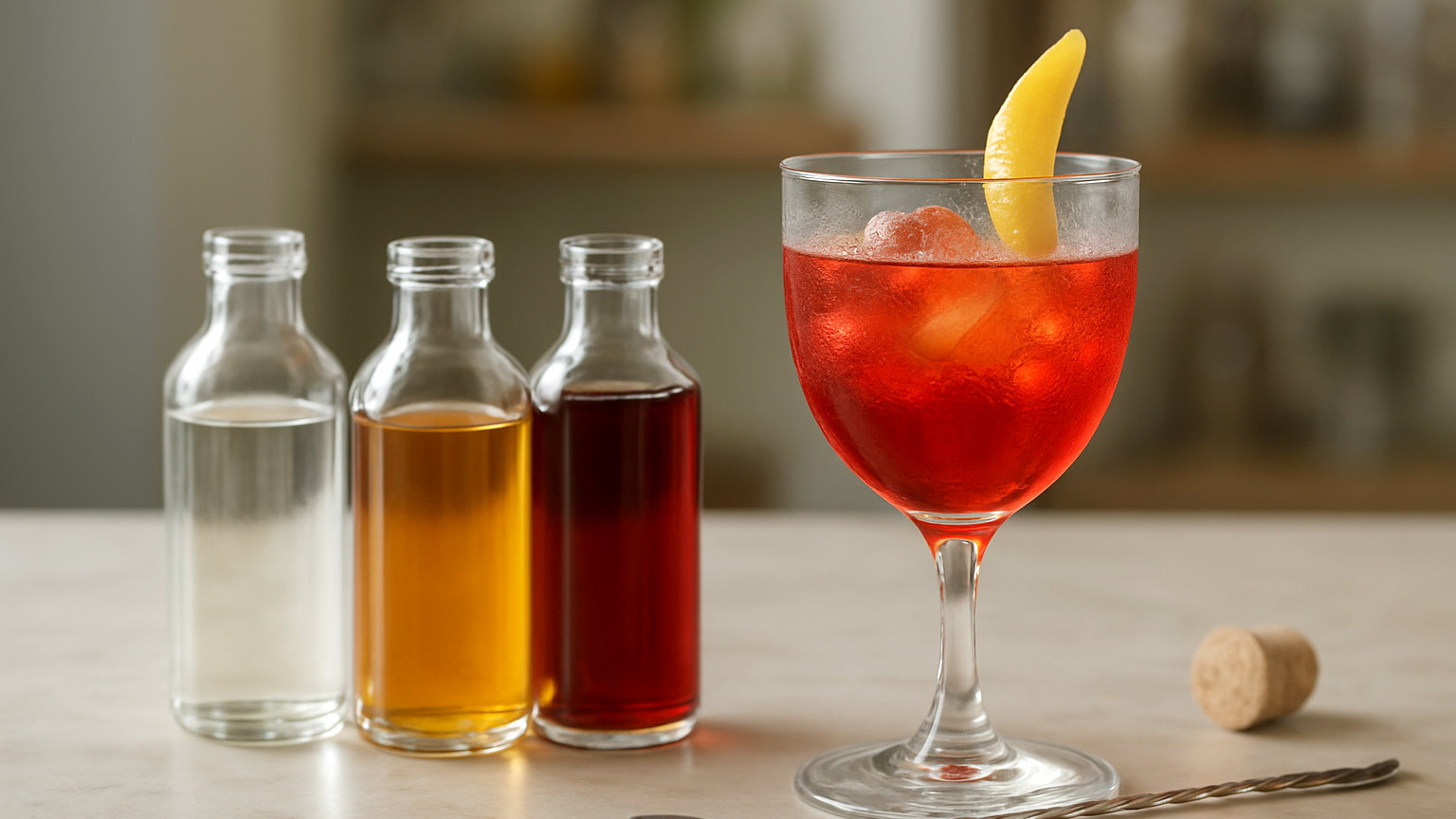
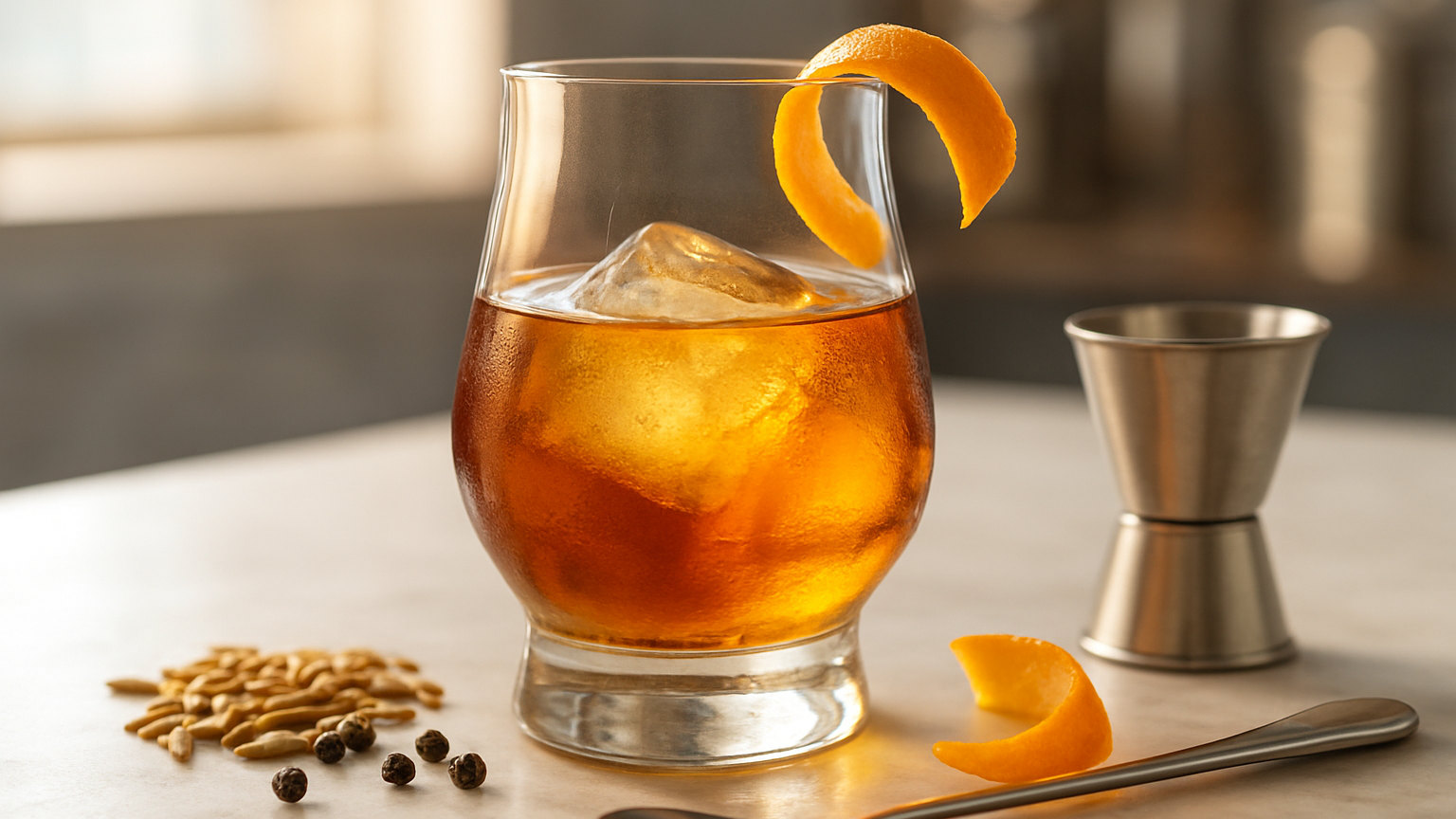
Any drink where sweetness needs a counterweight. A manhattan made with rye is drier and better balanced against sweet vermouth than the bourbon version. A sazerac is a rye drink by definition. An old fashioned made with rye trades the caramel roundness of bourbon for a spicier, more bracing result, and which you prefer is genuinely a matter of taste.
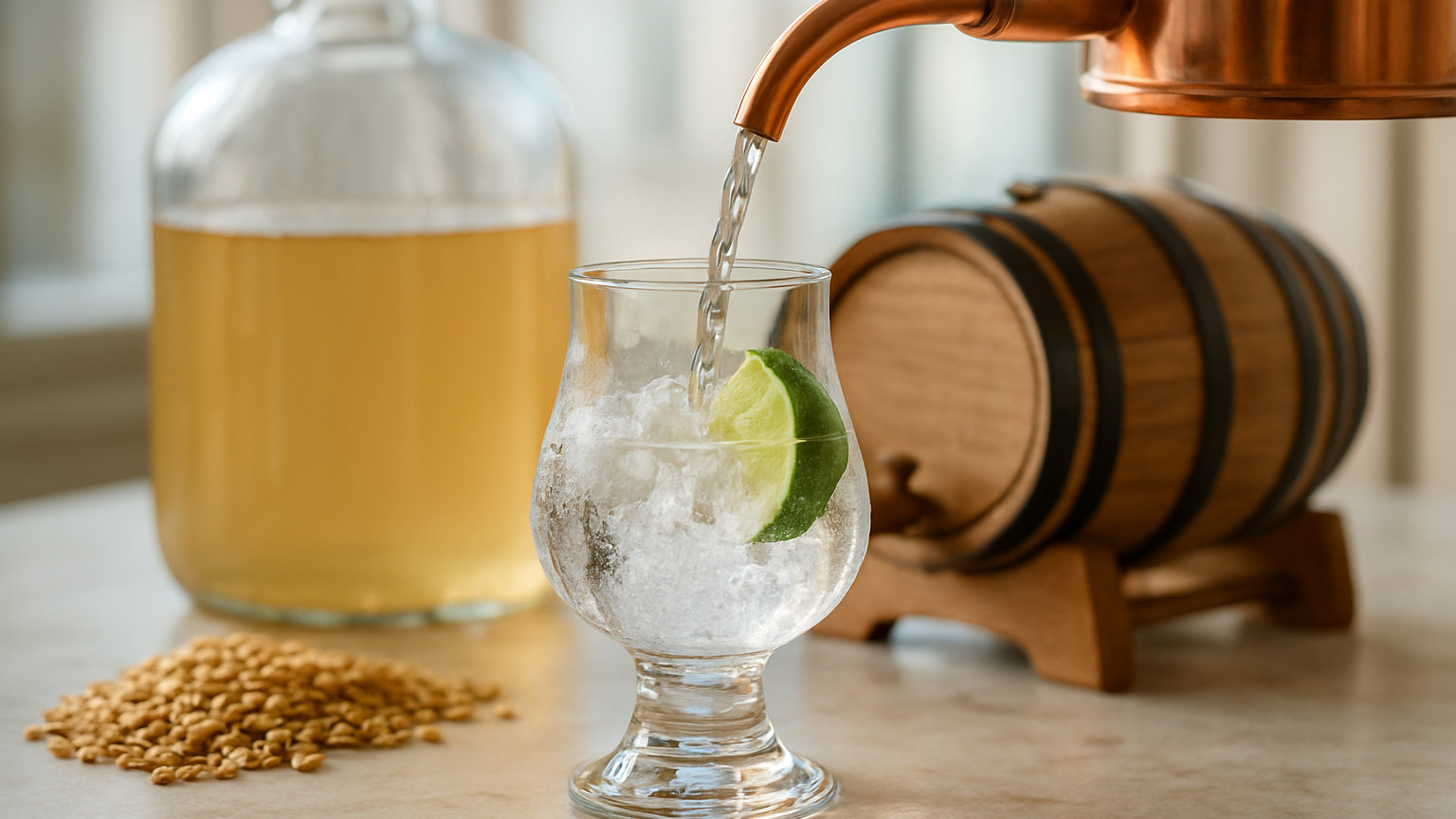
Rye also holds up in a whiskey sour, where the citrus and sugar can flatten a softer spirit, and in a highball with soda, where the spice keeps the drink from becoming bland.
How should you drink rye neat?
Many ryes are bottled at higher strength than standard bourbon, often 45 to 50 per cent, and a few drops of water opens them up considerably. Give it a minute after adding water; the herbal and floral notes take a moment to appear.
If you find rye harsh at first, that is a common reaction rather than a failure of the whiskey. Start with a lower rye percentage, drink it alongside a bourbon for contrast, and the spice becomes much easier to read once you have something to compare it against.