Single malt has become shorthand for good whisky and blended for cheap whisky. Neither is accurate. The terms describe production and sourcing, not standards, and some of the finest whisky ever bottled has been blended while some very ordinary spirit is sold as single malt.
What does single malt mean?
Single malt means malt whisky from one distillery. Single refers to the distillery, not the cask and not the batch. A standard single malt bottling may combine dozens or hundreds of casks, all of them filled at the same site.
For Scotch there is a second requirement: the whisky must be made entirely from malted barley and distilled in pot stills. So a Scotch single malt is malted barley, pot distilled, from one distillery, aged at least three years in oak in Scotland.
If you want the contents of one barrel and nothing else, the term is single cask, which is a separate and much rarer designation.
What does blended whisky mean?
A blended Scotch is a mixture of one or more single malts with one or more single grain whiskies. Grain whisky is made from wheat or corn in continuous column stills, arrives lighter and cleaner than malt, and typically forms the majority of the blend.
The blender's job is to combine components so the result is consistent bottling after bottling, year after year. That is harder than it sounds. A single malt can vary with its casks; a blend that reaches millions of drinkers cannot.
What are blended malt and single grain?
Two further categories cause confusion, and both appear regularly on shelves.
- Blended malt is a mixture of single malts from more than one distillery, with no grain whisky at all. It used to be called vatted malt or pure malt. These can be excellent and are often better value than single malts because the producer is not paying for a distillery name.
- Single grain is grain whisky from one distillery. It is lighter and sweeter than malt, frequently sold at older ages for surprisingly modest money, and worth trying at least once.
Which tastes better?
They taste different rather than better. Single malts generally carry more of the distillery character, which means more pronounced flavours, more variation between bottles and more to think about. Blends are usually smoother, lighter and more approachable, because the grain component softens the edges.
If you enjoy a whisky that demands attention, single malt gives you more to work with. If you want something that goes down easily on a Friday evening or disappears politely into ginger ale, a blend is often the better tool.
Which should you use in a cocktail?
For most mixed drinks, a decent blend or a bourbon is the sensible choice. Cocktails involve dilution, sugar, citrus or vermouth, and a great deal of the nuance you paid for in an expensive single malt is lost under all of it. A blended Scotch in a highball with soda is one of the best long drinks available and costs a fraction of the malt alternative.
The exception is a drink built specifically around a distinctive whisky, such as a peated old fashioned or a penicillin, where a smoky single malt is doing deliberate work rather than being wasted.
Which is better value?
Blends, almost always, at the lower end of the price range. Grain whisky is cheaper to produce, so a blend delivers drinkable whisky at a price no single malt can match. Above about forty pounds the balance shifts, and single malts and blended malts start offering more interest per pound.
The pattern to watch for is a heavily marketed single malt at a mid price against a well made blended malt at the same money. The blended malt frequently wins on flavour because none of the price is buying a famous name.
So what should you actually buy?
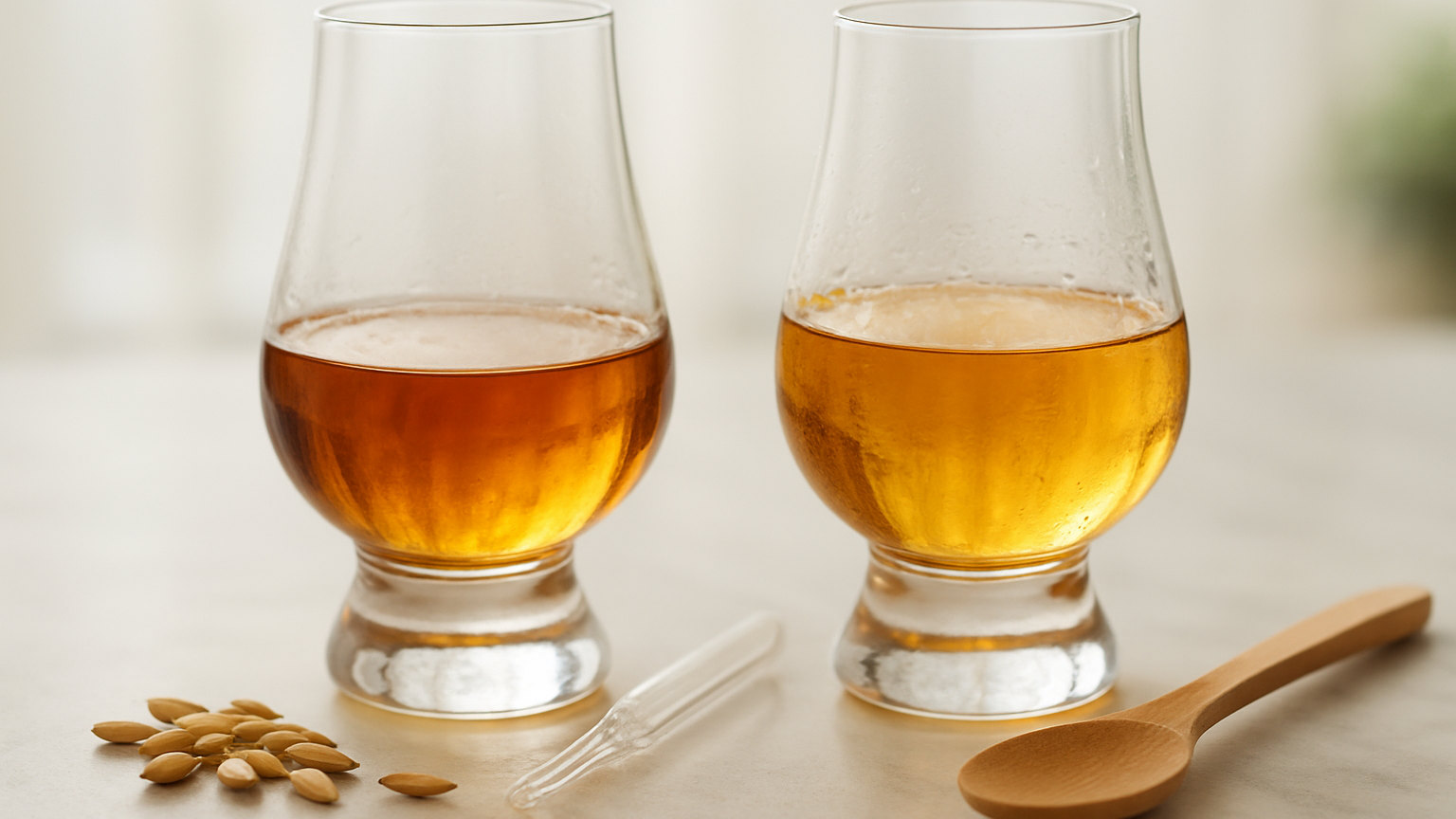
If you are starting out, buy one of each: a well regarded blend for mixing and everyday drinking, and an unpeated single malt around ten to twelve years old for drinking neat. Comparing them side by side teaches you more about your own preferences than any amount of reading, and the total outlay is modest.