Japanese whisky went from obscurity to trophy status in about fifteen years. International competition wins in the mid 2000s created demand that the industry, which plans stock decades ahead, had no way of meeting. Prices climbed, age statements vanished, and a number of products appeared that were Japanese in branding but not entirely in origin.
How is Japanese whisky made?
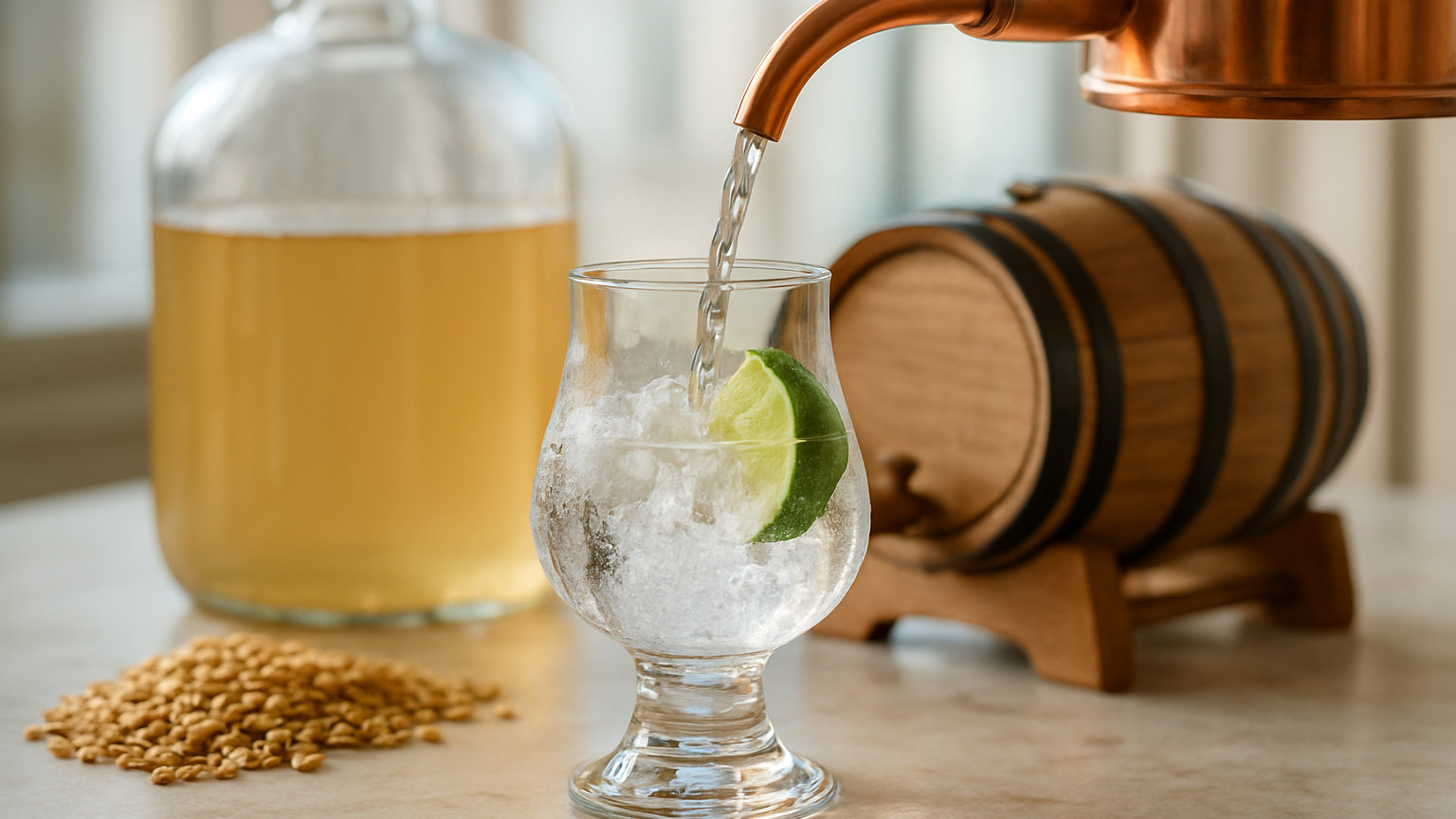
The template is Scottish. The founders of the industry studied in Scotland in the 1920s and brought the method home: malted barley, pot stills, cask maturation, and the same broad approach to blending. Much of the peated malt used in Japan is still imported from Scotland.
The differences are in the detail. Japanese distilleries have historically not traded casks with each other in the way Scottish producers do, so each site had to create every flavour it needed in house. That led to unusually varied equipment on one floor: stills of several shapes and sizes, multiple yeast strains, and a wide range of cask types, all under one roof.
What is mizunara oak?
Mizunara is a Japanese oak used for a proportion of maturation, and it is the most distinctive element of the category. It is difficult wood to work with, being porous and prone to leaking, and it needs decades of ageing before it gives its best.
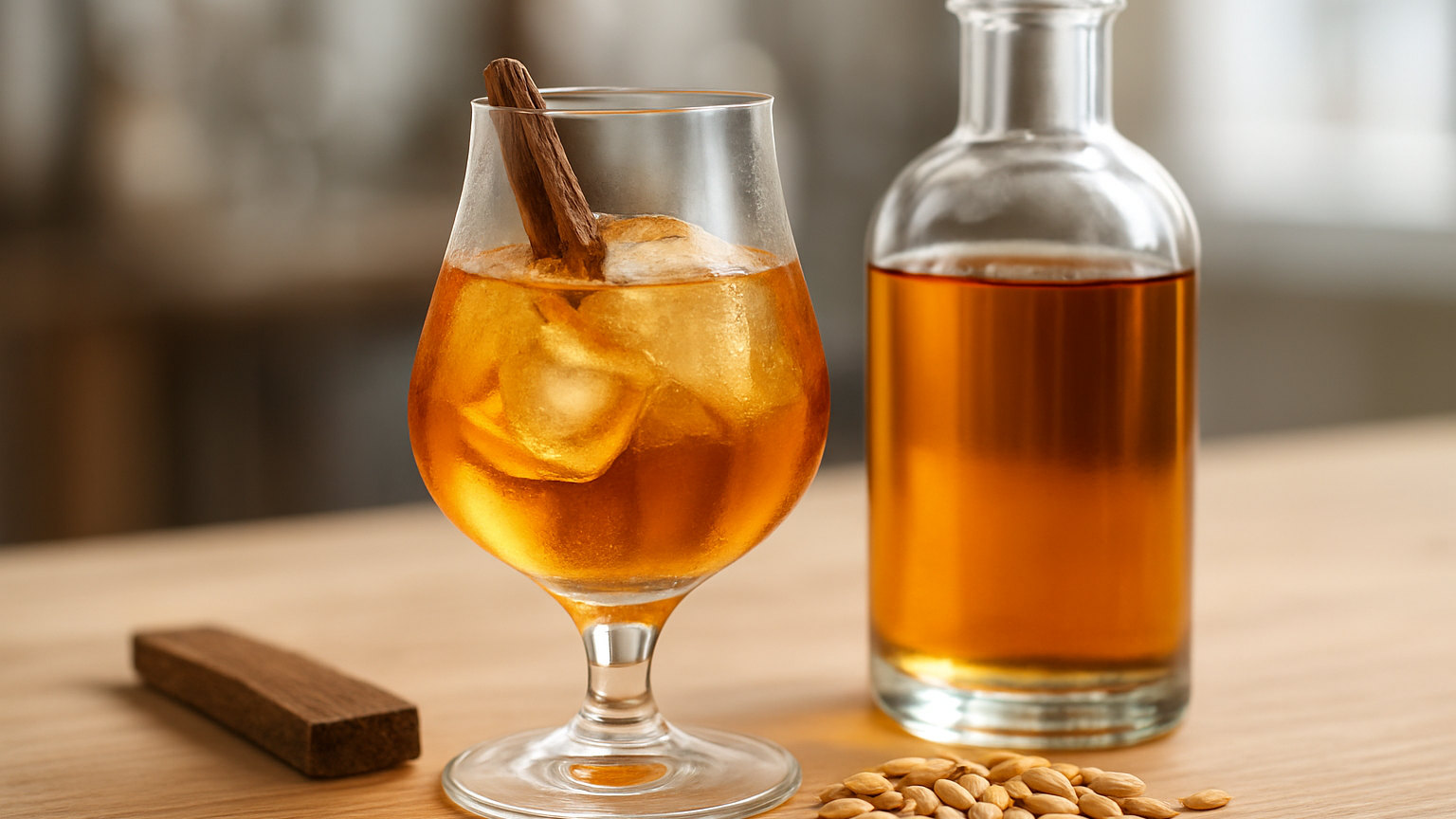
What it contributes is unmistakable: sandalwood, incense, coconut and a temple-like aromatic quality that does not occur in American or European oak. Casks are expensive and slow, so mizunara matured whisky commands high prices.
Why did prices rise so sharply?
Whisky production requires decisions made many years before sales. Japanese distilleries cut output substantially in the 1990s and early 2000s when domestic demand was weak. When international acclaim arrived, the aged stock that would have supported it had never been laid down.
Long standing age stated bottlings were discontinued or repriced dramatically. Some seventeen and eighteen year old expressions that were sold as everyday drams now change hands for many times their original price on the secondary market, and no amount of current production can fix a gap that opened twenty years ago.
What did the 2021 labelling rules change?
Until recently, Japanese law allowed spirit produced elsewhere to be bottled in Japan and sold as Japanese whisky. Bulk whisky from Scotland, Canada and elsewhere reached the market in Japanese packaging, which was legal and, to most buyers, invisible.
In 2021 the Japan Spirits and Liqueurs Makers Association introduced voluntary standards. To be labelled Japanese whisky, a product should be:
- made using malted grain, water sourced in Japan, and mashed, fermented and distilled at a distillery in Japan;
- matured in Japan in wooden casks for at least three years;
- bottled in Japan at 40 per cent or above.
These are industry standards rather than law, and not every producer is a member. They have improved transparency considerably, but the label still repays attention.
How do you tell if a bottle is genuinely Japanese?
Look for a named distillery. Bottles that state where the whisky was distilled are almost always what they claim to be. Be more cautious with products that use Japanese words and imagery but never name a production site, and with world blend or world whisky descriptions, which usually indicate imported components blended in Japan. That is not dishonest and some of those blends are enjoyable, but they should not carry a Japanese single malt price.
Is it worth the money?
At the top of the range you are paying for genuine scarcity and, in some cases, genuinely exceptional whisky. In the middle, the value proposition is weaker than it once was, and a comparable Scotch or Taiwanese single malt frequently offers more flavour per pound.
If you want to understand the style without spending heavily, look for younger age stated or non age stated bottlings from named distilleries, and for Japanese blends that are open about their composition. The house character, which tends towards precision, cleanliness and a slightly floral fruit, comes through clearly enough at modest prices.