Vodka in the freezer is one of the few pieces of drinks advice that is both traditional and technically sound. It changes the liquid in ways that are easy to feel, and whether those changes are desirable depends on what you want from the bottle.
Will vodka freeze?
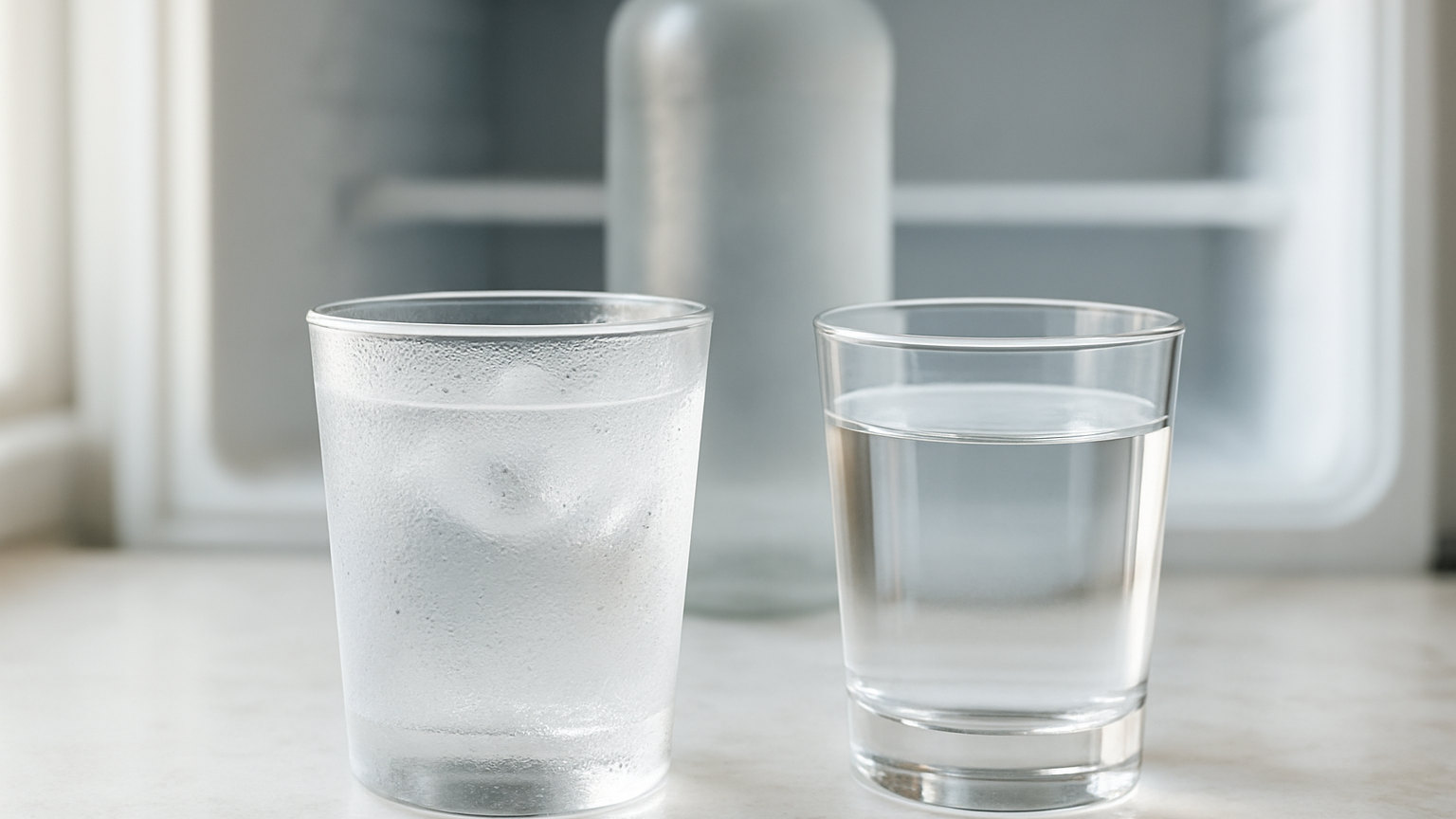
Not in a domestic freezer. Pure ethanol freezes at around minus 114 degrees Celsius, and a 40 per cent mixture with water freezes somewhere near minus 27 degrees. Household freezers typically run at minus 18, so a standard bottle is safe.
Lower strength products are less safe. A flavoured vodka at 20 or 25 per cent alcohol has a much higher freezing point and can slush or freeze solid, potentially cracking the bottle. Check the percentage before putting anything in the freezer long term.
What does cold do to the liquid?
Three things, all noticeable.
- Viscosity increases. Cold vodka is thicker and more syrupy in the mouth, which is the main reason the tradition exists.
- Aroma is suppressed. Volatile compounds evaporate less readily at low temperature, so there is less to smell.
- Harshness is masked. The perception of alcoholic burn drops sharply, and any rough edges become much harder to detect.
Taken together, that produces a smooth, weighty, almost silky drink with very little aroma. It is a texture experience rather than a flavour one.
Is that a good thing?
It depends on the bottle and your purpose. For drinking neat in the traditional manner, with food, in small measures, freezer cold is exactly right and is how vodka is served across the vodka belt.
For assessing a vodka, it is counterproductive. Chilling flatters everything, and a mediocre bottle at minus 18 degrees can be hard to distinguish from a good one. If you want to know what you have bought, taste it at room temperature first.
Does it damage the vodka?
No. Vodka is chemically stable, and freezer storage causes no deterioration. There is no oxidation problem while the bottle is sealed and the temperature is doing nothing harmful.
The only practical concerns are that condensation on a bottle brought in and out repeatedly will eventually lift the label, and that a full bottle takes up a good deal of freezer space.
Does it work for other spirits?
Gin, yes, if you drink martinis and want the spirit cold, though you lose botanical aroma in exchange. Whisky, brandy and rum, no. Their appeal is largely aromatic, and freezing shuts most of it down.
Vodka is the case where the trade off is least costly, because there is comparatively little aroma being sacrificed.
What is the alternative?
Refrigerator temperature, around 4 degrees, gives some of the textural benefit while leaving a little more of the spirit detectable. It is a reasonable middle position, and it is easier on freezer space.
For a vodka martini, chilling the spirit in the freezer and stirring briefly with ice gives an extremely cold drink with minimal dilution, which is the point of the exercise. Stirring warm vodka with ice for long enough to reach the same temperature adds considerably more water.
How should you serve it neat?
In small measures, in a small glass, straight from the freezer, and ideally with something to eat. Pickled vegetables, smoked fish, rye bread and cured meats are the traditional accompaniments, and the pairing works because the salt and fat sit well against a cold, clean, high strength spirit.
Served this way, vodka makes considerably more sense than it does poured over ice in a large glass, which is how most people outside the tradition first encounter it.
Does freezing help a cheap vodka?
Noticeably, yes, and that is worth being honest about. Since cold masks harshness and thickens texture, the freezer flatters an inexpensive bottle more than an expensive one. If you drink vodka neat and cold and never taste it warm, the case for spending heavily weakens considerably.
The practical conclusion is to match the storage to the purpose. Keep a working bottle in the freezer for martinis and neat pours, and if you are assessing something new, pour a small measure at room temperature before the rest of the bottle goes in.