Vodka is the spirit where the relationship between price and quality breaks down soonest. With whisky, extra money buys time in a cask. With gin, it buys botanicals and distillation care. With vodka, the thing being made is defined by the absence of character, and there is a limit to how much absence can cost.
How much of the price is tax?
At the bottom of the range, most of it. Spirits duty in the United Kingdom is charged on the alcohol content, so a 70 centilitre bottle at 40 per cent attracts the same fixed duty whether the liquid cost forty pence or four pounds to produce. Value added tax is then charged on the total.
This has a useful consequence. The step up from the cheapest bottle on the shelf to a mid priced one is a large increase in the money reaching the liquid, even though the shelf price rises modestly. The step from mid priced to expensive is a much smaller proportional improvement.
What does the bottom of the range get wrong?
Insufficient rectification, mainly. Very cheap vodka often carries a solvent or acetone note, a sour edge, and a burn out of proportion to its strength. These are congeners that a more careful production process would have removed.
It shows up most in drinks where the vodka is not buried. In a vodka and cola it is largely undetectable. Neat, in a martini, or in a simple drink with soda and lime, it is obvious.
Where does the improvement stop?
For most drinkers, somewhere in the middle of the range. By that point the spirit is properly rectified, cleanly cut and free of off notes, and the remaining differences are matters of texture and base ingredient character rather than quality.
Above that level, the extra money increasingly buys things that are not in the glass: heavy glass bottles, custom moulds, ceramic, closures, boxes, sponsorship and advertising. Those are real costs, they are simply not costs that improve the drink.
Do blind tastings support the price hierarchy?
Repeatedly, no. Blind panels frequently rank mid priced vodkas above heavily marketed premium ones, and the correlation between price and ranking tends to be weak once the very cheapest bottles are excluded.
The most famous demonstration of this involved a newspaper panel placing an inexpensive supermarket vodka above several luxury brands. Individual results vary and any single tasting proves little, but the pattern across many such exercises is consistent enough to be worth taking seriously.
What is genuinely worth paying for?
- A producer who actually distils rather than buying neutral spirit and bottling it, since it usually indicates control over the process.
- A stated base ingredient, particularly rye or potato, if you want a vodka with recognisable character.
- Light or no filtration, where you want texture retained rather than stripped.
- Higher bottling strength, which costs more in duty and gives a fuller drink.
Each of these is a concrete production decision. None of them requires a bottle that looks like a perfume flask.
Does it depend on how you drink it?
Entirely, and this is the most practical way to decide. If your vodka goes into cola, energy drink, cranberry juice or a heavily flavoured mixer, buy the cheapest bottle that does not taste of solvent and spend nothing further. The mixer is doing all the work.
If you drink vodka neat and cold, with food, or in a martini or a vodka soda where the spirit is exposed, the differences become audible and a mid priced bottle earns its money.
How should you test it for yourself?
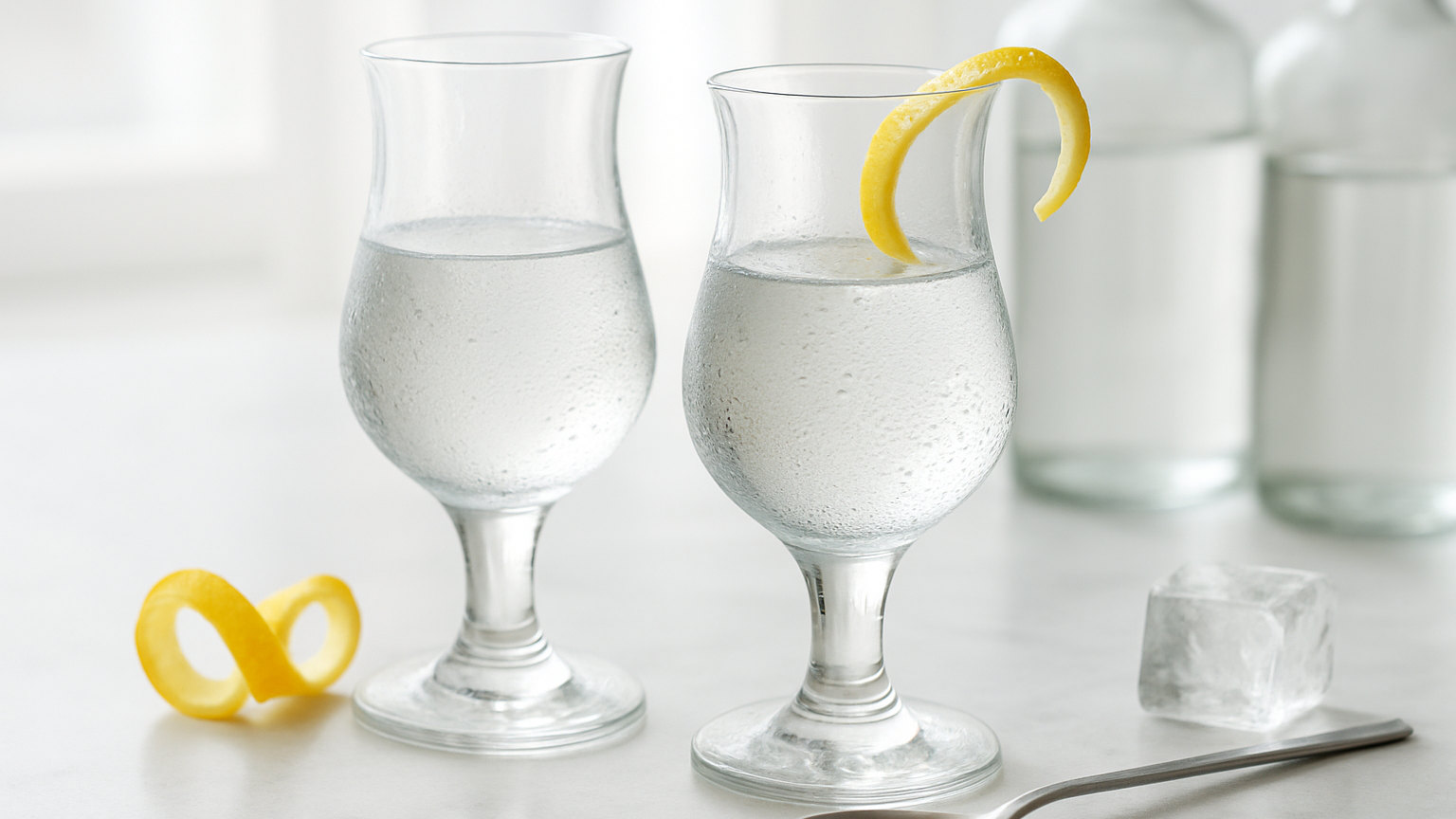
Buy two or three bottles across the price range, pour small measures of each at room temperature, and taste them side by side without knowing which is which. Get someone else to pour them if you can.
Most people find the very cheap one identifiable immediately and the top two much harder to separate. That result, arrived at personally, is more useful than any recommendation, and it usually saves money afterwards.