Tequila is a distilled spirit made from blue Weber agave, produced within a legally defined area of Mexico under a denomination of origin. Everything else about it, including whether it is any good, comes down to a handful of production choices that the label may or may not tell you about.
Where can tequila be made?
The denomination covers the whole of the state of Jalisco plus specified municipalities in Guanajuato, Michoacan, Nayarit and Tamaulipas. Spirit made from agave anywhere else, including elsewhere in Mexico, cannot be called tequila regardless of how it is produced.
Within Jalisco, two areas are usually distinguished. The highlands, or Los Altos, sit at higher altitude with iron rich red soil and tend to produce sweeter, more floral agave. The lowlands around the town of Tequila itself give earthier, more peppery and mineral results. It is a broad generalisation and plenty of distilleries contradict it, but the pattern holds often enough to be useful.
What is the plant?
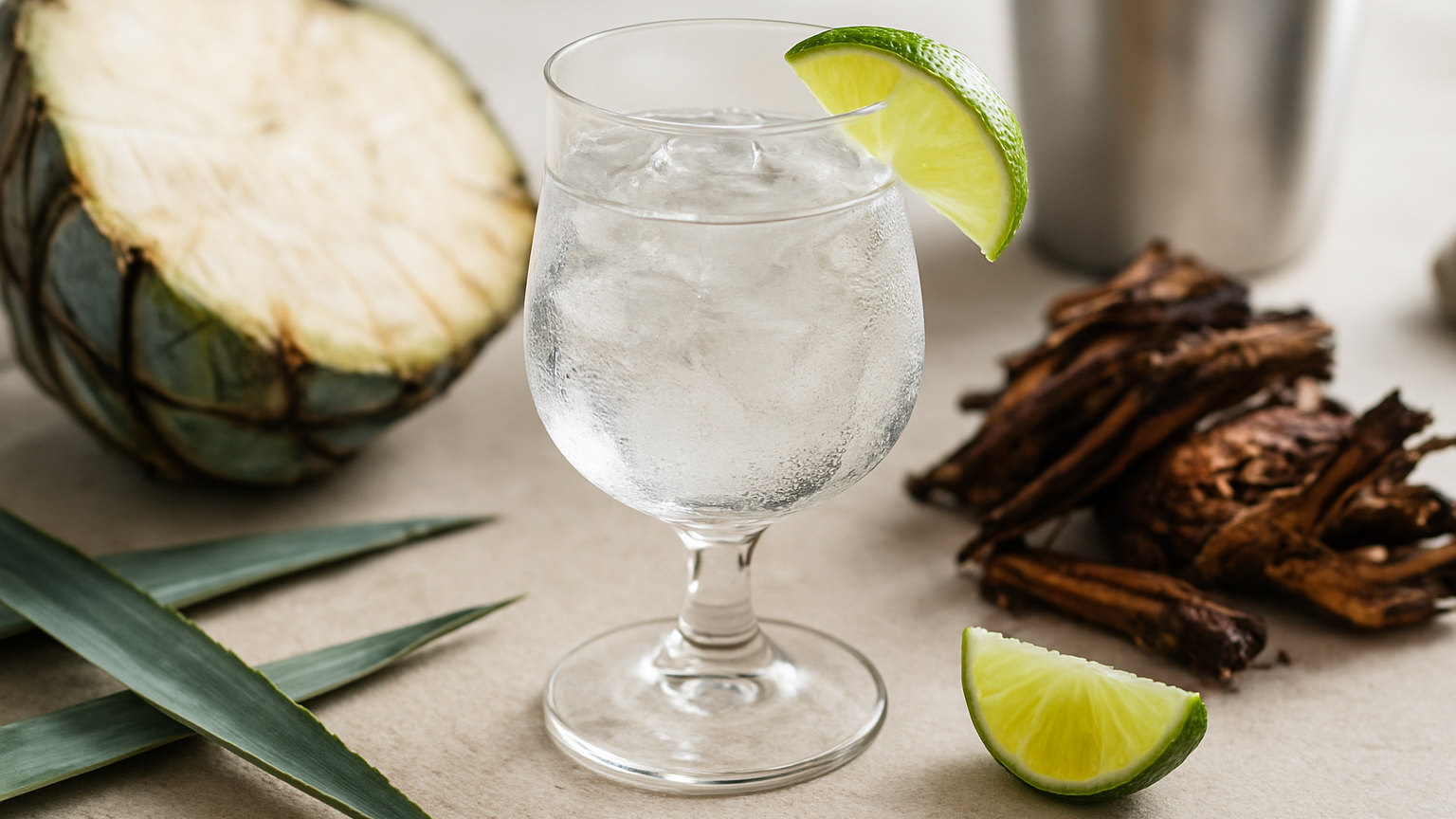
Agave tequilana, known as blue Weber agave. It is a succulent rather than a cactus, and it is grown as a crop, planted in rows and tended for years.
Harvest takes six to eight years, and in the highlands sometimes longer. The workers who harvest it are called jimadors, and the job is done by hand with a long bladed tool called a coa, stripping away the leaves to leave the heart of the plant. That heart is the pina, so named because it resembles a large pineapple, and it can weigh anywhere from 25 to 90 kilograms.
Why does the agave need cooking?
Because the plant stores its energy as inulin, a complex carbohydrate that yeast cannot ferment. Cooking breaks inulin down into simple fermentable sugars, and it also creates cooked, caramelised flavours that carry through into the finished spirit.
How this is done matters enormously.
- Brick ovens, called hornos, cook slowly with steam over one to three days. Traditional, and generally considered to give the fullest cooked agave flavour.
- Autoclaves, stainless steel pressure cookers, do the job in eight to fourteen hours. Efficient and widely used, with a slightly cleaner and less complex result.
- Diffusers, which shred raw agave and extract the sugars with hot water and sometimes acid, then cook the resulting liquid rather than the plant. Fastest and cheapest, and heavily criticised for stripping out agave character.
How is it extracted and fermented?
Cooked agave is crushed to release the juice. Traditionally this used a tahona, a large stone wheel turning in a circular pit, which is slow and labour intensive. Most distilleries now use mechanical roller mills, and a few use both and blend the results.
Fermentation may use cultivated yeast, the distillery's own house strain, or wild yeast from the air. Some producers ferment with the agave fibres included, which adds body and vegetal character. Fermentation time ranges from around 30 hours to over a week, and longer generally means more flavour.
How is it distilled?
Almost always twice, usually in copper or stainless steel pot stills. The first distillation produces a low strength liquid called ordinario, and the second brings it to bottling range.
Some producers distil a third time for a lighter, smoother result, though this removes character as well as roughness. Column stills are permitted and used by some large producers.
What comes out at the end?
Blanco tequila, unaged or rested only briefly, which is the purest expression of the distillery's work. Ageing in oak produces reposado, anejo and extra anejo, each adding wood character and removing some agave brightness.
The most useful thing to take from all of this is that tequila is an agricultural product with a long lead time and a labour intensive harvest. When a bottle is very cheap, something in that chain has been shortened, and the diffuser is usually where.
What strength is it bottled at?
Regulations permit anywhere between 35 and 55 per cent, and most export tequila sits at 38 or 40. A growing number of producers bottle higher, and at 45 or 46 per cent the agave character is noticeably more pronounced, particularly in a blanco.