Tequila classes are defined purely by time in oak. Everything else about the spirit is decided before ageing begins, so the class tells you how much wood influence to expect and nothing about how well the tequila was made.
What are the classes?
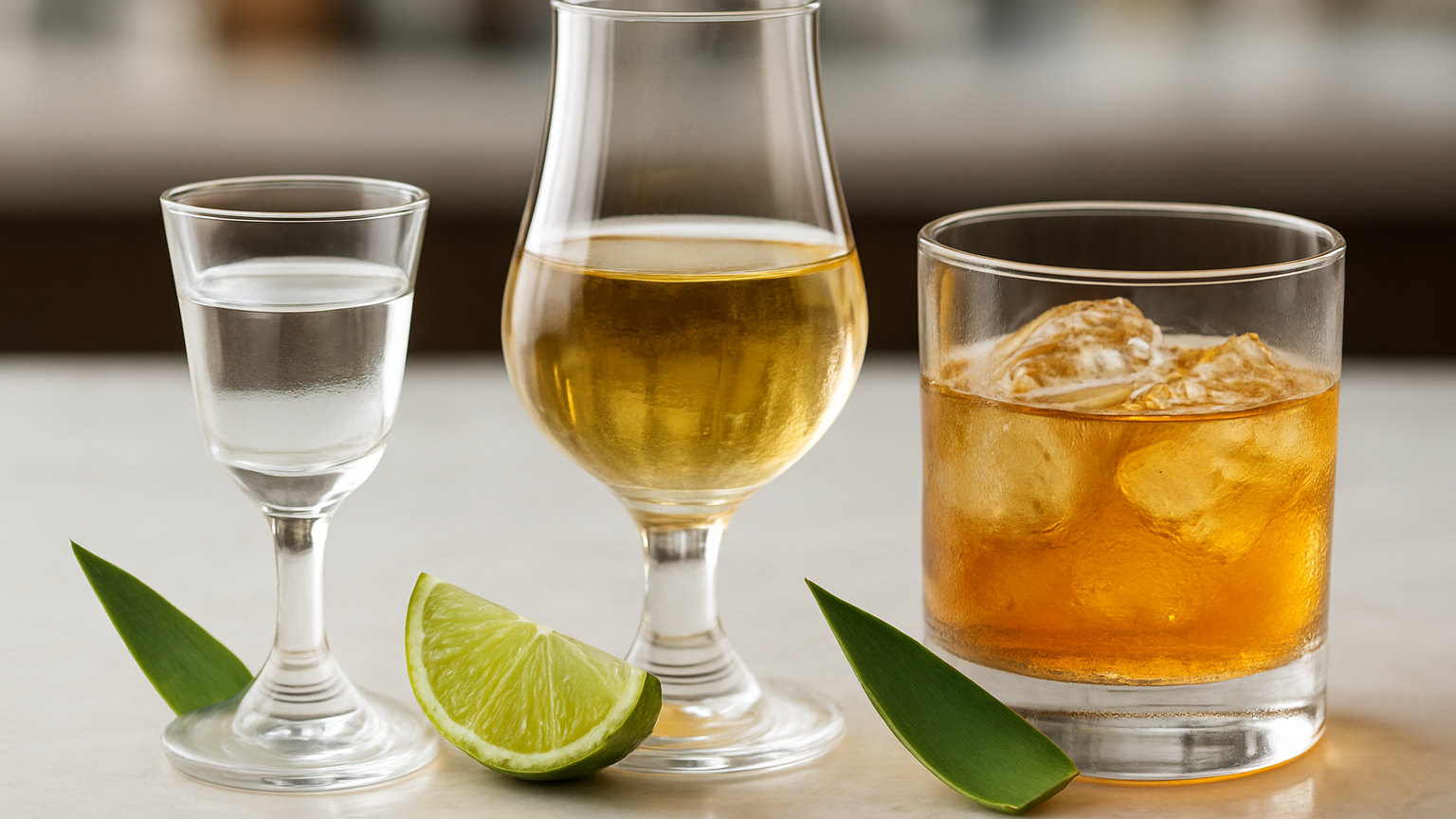
- Blanco, also called silver or plata. Unaged, or rested up to two months in stainless steel or oak.
- Reposado. Rested in oak for between two months and one year.
- Anejo. Aged one to three years in oak casks of no more than 600 litres.
- Extra anejo. Aged more than three years. Introduced as a category in 2006.
- Joven, or gold. Either a blend of blanco with aged tequila, or blanco with colouring added. At the cheap end it is usually a coloured mixto.
What does each taste like?
Blanco is the most direct expression of the agave and the distillery. Expect cooked agave, black pepper, citrus, herbs and a mineral or vegetal edge. It is the class where quality differences are most exposed, because there is no oak to hide behind.
Reposado keeps most of the agave while gaining vanilla, light caramel and a softer texture. It is the most popular class in Mexico and a reasonable middle position.
Anejo is darker and rounder, with oak, vanilla, dried fruit and spice moving to the front. Agave becomes a background note rather than the lead.
Extra anejo takes that further and can resemble a good cognac or aged rum, which is either the appeal or the objection depending on your view.
Is older better?
Not in the way the price ladder implies. Oak adds flavour, but it adds the same kind of flavour it adds to every other spirit, and what it displaces is the agave character that makes tequila distinctive.
Many people who work with tequila professionally drink blanco most of the time, precisely because it shows the plant and the distillery. Paying substantially more for an extra anejo buys you a spirit that tastes progressively less like tequila and more like generic aged spirit.
The counterargument is straightforward: if you enjoy oak, buy oak. There is no obligation to prefer the purist position.
Which class suits which drink?
- Margarita. Blanco, almost always. The lime and orange liqueur need brightness to work against.
- Paloma. Blanco or reposado, depending on whether you want the grapefruit sharp or rounded.
- Tequila old fashioned or a stirred drink. Reposado or anejo, where the oak has something to do.
- Sipping neat. Any of them. Blanco for the agave, anejo for the wood.
- Long drinks with soda or tonic. Blanco, since aged tequila loses definition under a mixer.
What about cask type?
Most tequila is aged in ex bourbon barrels, which are cheap and plentiful. Some producers use French oak, sherry casks, wine casks or new oak, and these do change the result significantly.
Cask size matters more than in whisky, because the regulations permit small barrels for anejo, and smaller barrels give faster and more aggressive extraction. A one year old anejo from small casks can taste woodier than a three year old from larger ones.
How should you choose?
Start with a blanco from a producer you can identify by NOM number, taste it neat, then make a margarita with it. That establishes what agave actually tastes like, which is the reference point everything else is measured against.
Add a reposado second if you want oak, and only move to anejo if you find you prefer wood to agave. Buying an expensive extra anejo first is the most common way to spend a lot of money without learning anything about tequila.
Do the classes cost very different amounts?
Yes, and the ladder is steep. Ageing ties up stock, occupies warehouse space and loses volume to evaporation, so each step up adds cost before any question of quality arises.
That pricing structure encourages the assumption that anejo is better than blanco, which does not follow. A well made blanco from a good distillery will beat a mediocre anejo comfortably, and it will cost less. Buy on producer first and class second.