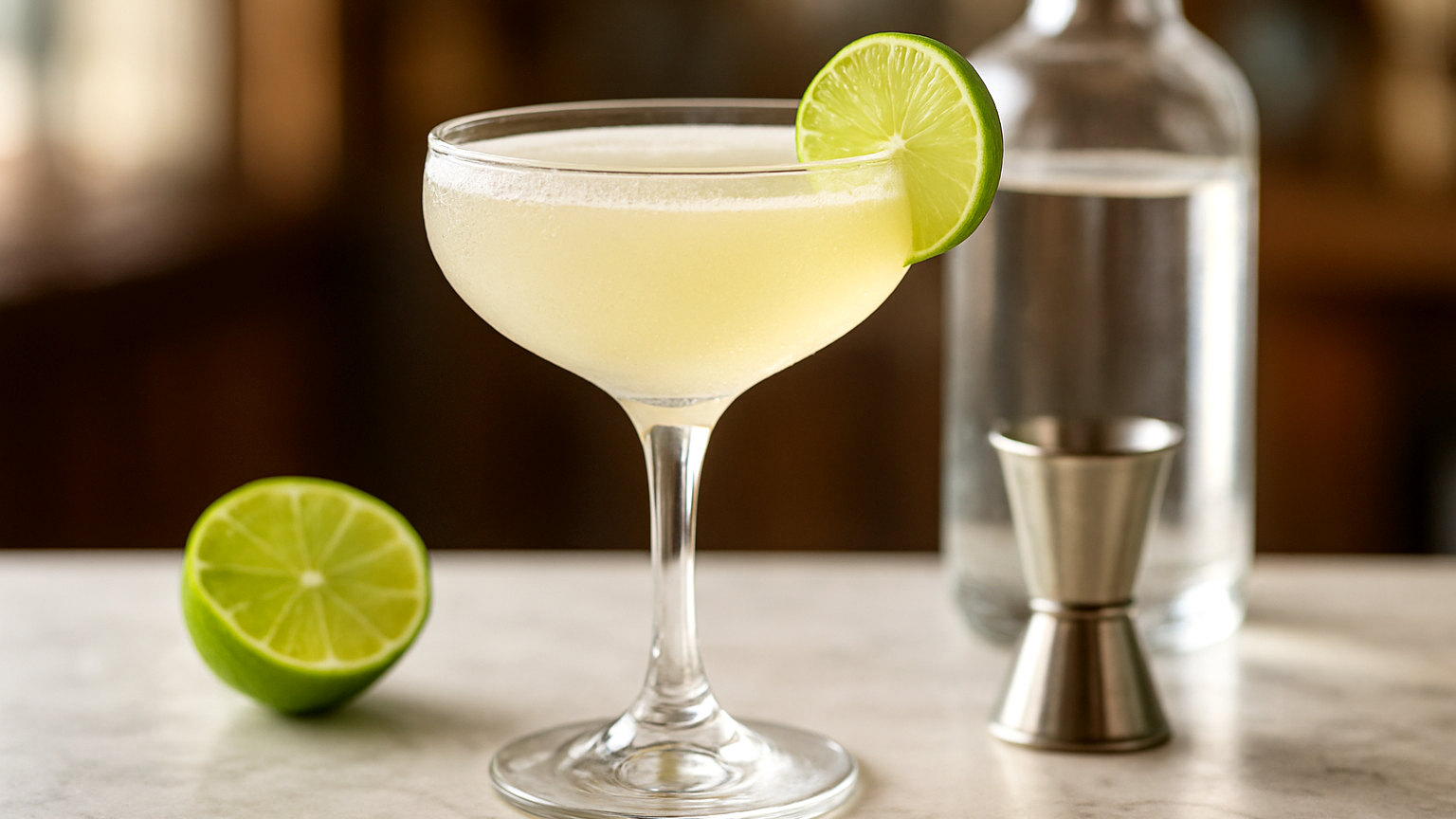
A daiquiri is rum, lime juice and sugar, shaken with ice and strained. There is nowhere for a poor ingredient to hide, which is exactly why it is the drink bartenders reach for when assessing an unfamiliar rum.
What is the classic ratio?
Two parts rum, one part fresh lime juice, three quarters of a part simple syrup is the most widely used starting point. In practical terms that is 50 millilitres of rum, 25 of lime and around 20 of syrup, or 2 ounces, 1 ounce and three quarters of an ounce.
Adjust from there. Limes vary in acidity through the year, and rums vary in sweetness, so tasting and correcting is part of making the drink rather than a sign of failure.
Which rum style works best?
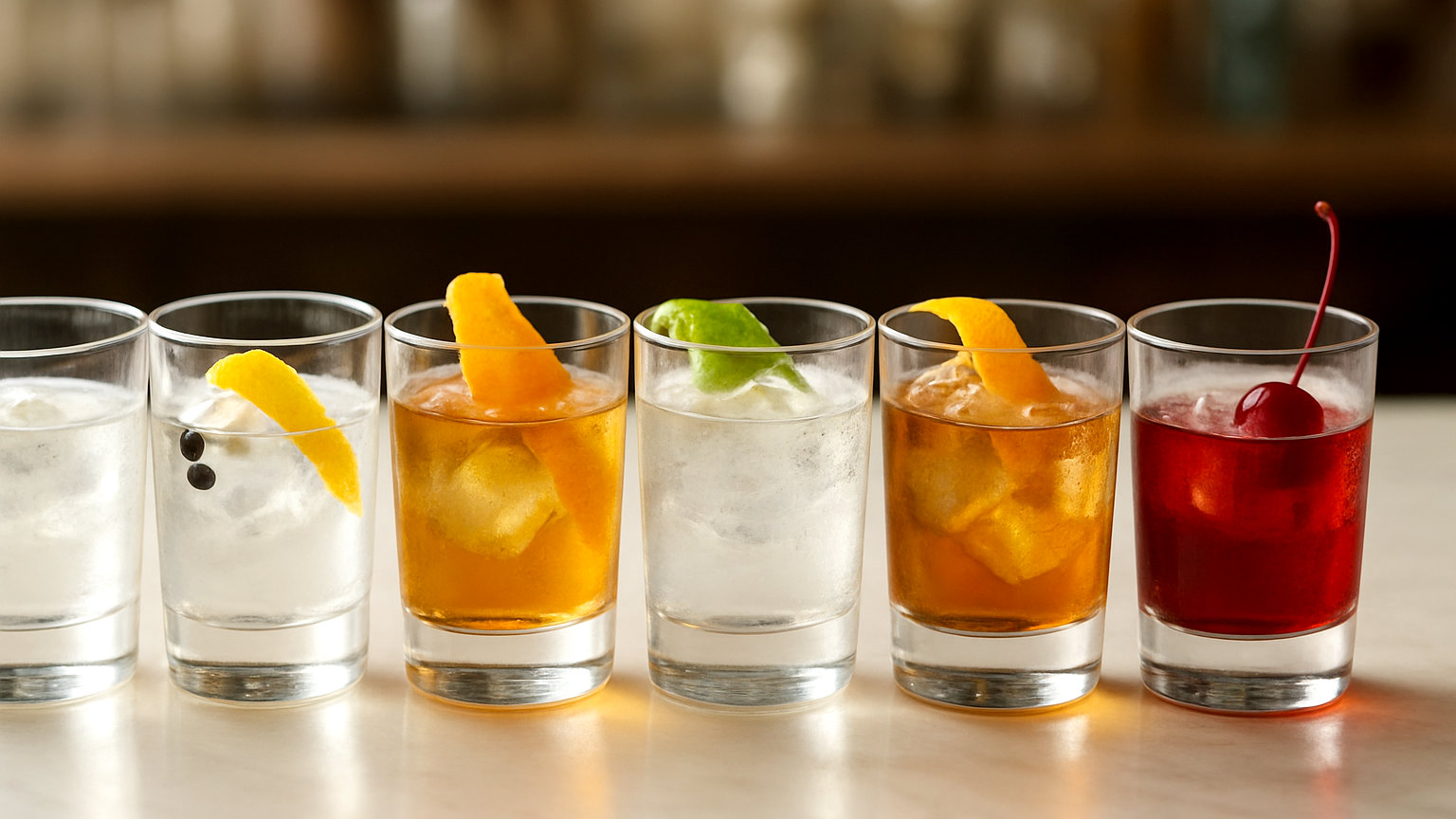
- Light column still white rum. The classic Cuban style choice. Clean, crisp and refreshing, letting the lime lead.
- Blended pot and column white rum. More body and more flavour while remaining bright. This is where many bartenders land.
- Jamaican pot still rum. Adds fruit and funk, producing a fuller and more aromatic daiquiri. Excellent, though a different drink.
- Rhum agricole blanc. Grassy and vegetal, and generally needs a little more sugar. Sharp and very good in warm weather.
- Aged rum. Makes a rounder, oakier daiquiri that is genuinely worth trying, though it moves away from the classic profile.
A common approach is splitting the base, using a light rum for the bulk and a small measure of something heavier for aroma.
What should you avoid?
Heavily sweetened rum, because the recipe already contains sugar and the drink becomes cloying with no way to correct it. Spiced rum, for the same reason plus the vanilla, which fights the lime.
Very cheap white rum with a harsh finish is also exposed here in a way it would not be under cola.
Does the lime really need to be fresh?
Yes, and this matters more than the rum. Lime juice begins to change within an hour or two of squeezing and tastes noticeably flat and slightly cooked by the next day. Bottled lime juice is a different ingredient altogether.
If you make one change to improve your daiquiris, squeeze the limes to order. It has a larger effect than trading up two price brackets of rum.
What about the sugar?
Simple syrup rather than granulated sugar, since sugar does not dissolve reliably in a cold shaken drink. A one to one syrup by volume is standard, and a richer two to one syrup adds body and lets you use less liquid.
Some recipes use cane syrup or demerara syrup, which adds a molasses note that suits fuller bodied rums.
How should it be made?
- Chill the glass first, with ice and water while you work.
- Combine rum, fresh lime and syrup in a shaker with plenty of ice.
- Shake hard for around twelve seconds. The drink needs both chilling and a specific amount of dilution, and a short shake delivers neither.
- Double strain into the chilled coupe to keep ice shards out.
- Taste before serving. If it is sharp, add a little syrup; if it is flat, add lime.
Why is it the test drink?
Because the three ingredients are in tension. Sugar and acid have to balance, and the rum has to be good enough to be worth tasting through both. A rum that makes a good daiquiri is almost always a rum worth owning, and one that makes a poor daiquiri is usually a rum with something to hide.
How do you compare two rums fairly?
Make two daiquiris with identical measures, identical syrup and lime squeezed at the same time, and shake them the same way. Any difference you taste is then attributable to the rum rather than to the technique.
Doing this once with a light rum and once with something pot still or agricole is the single most useful exercise available to anyone trying to work out what they like in the category, and it costs the price of two drinks.