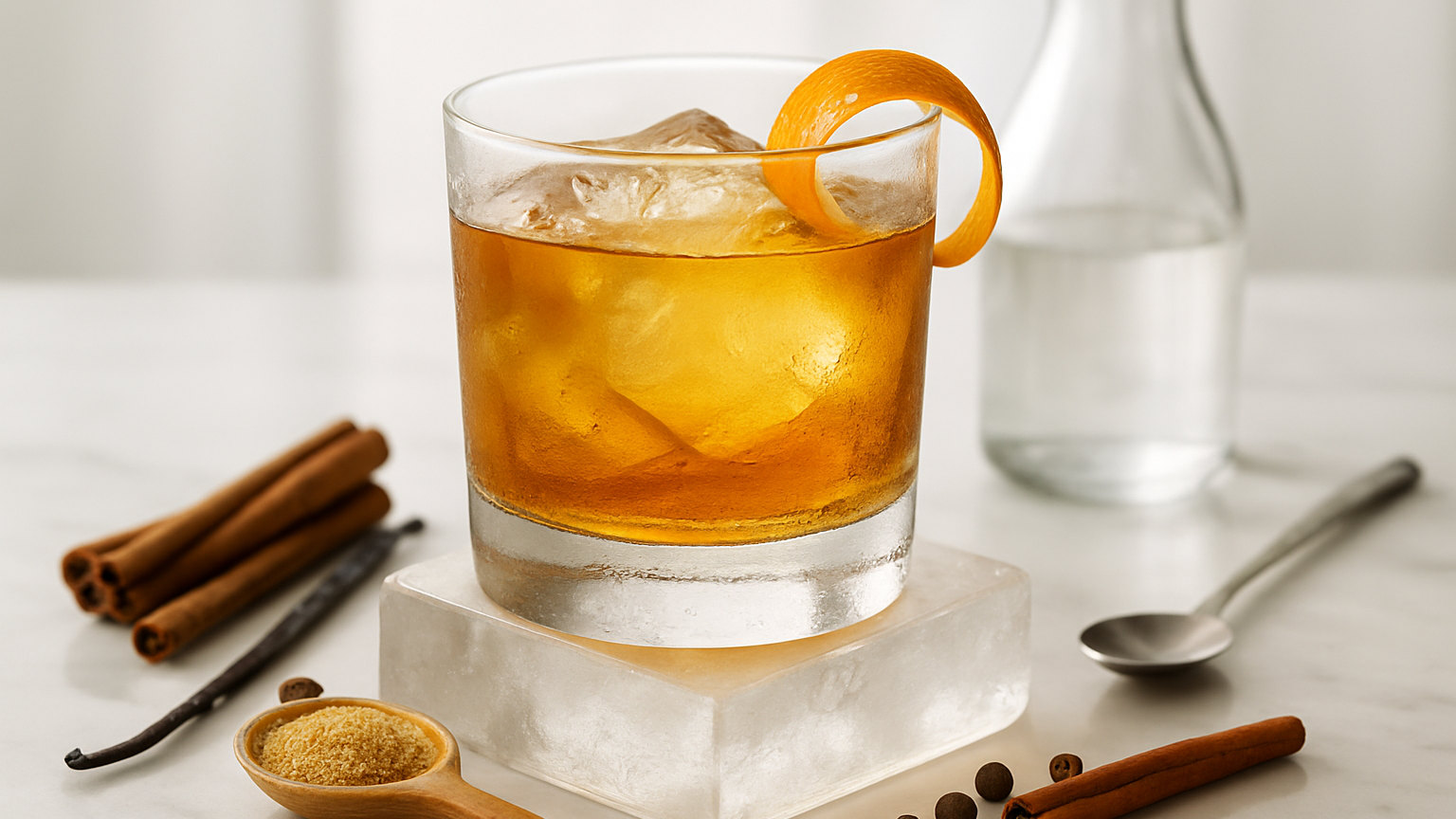
Spiced rum is rum that has had flavourings added after distillation, usually a combination of vanilla, cinnamon, clove, nutmeg, allspice, citrus peel and caramel. Beyond that, almost nothing is standardised.
How is it made?
Three routes, in descending order of cost.
- Maceration. Real spices steep in the rum and are strained out. Slower and more expensive, and it produces the most convincing results.
- Distilled or extracted flavours. Spice extracts are prepared separately and blended in, giving control and consistency.
- Compounding with flavourings. Commercial flavour preparations are added to the base rum. Fast, cheap, and how most large volume spiced rum is produced.
The base is almost always a young, light to medium bodied molasses rum. Since the spices are providing the character, there is little commercial incentive to use well aged stock.
Is it sweetened?
Usually, and often substantially. Sugar rounds out the spices and makes the product immediately palatable, and there is generally no requirement to declare it.
Where the sugar content passes the threshold for a liqueur, the product must be labelled accordingly, which is why some spiced products are sold as rum liqueurs or spirit drinks rather than as rum. Checking the alcohol percentage is the quickest guide: many spiced products sit at 35 per cent or below, which puts them outside the rum definition in several markets.
Is it legally rum?
It depends on the market and the product. In the European Union, rum flavoured with added substances may still be sold as spiced rum if it meets the minimum strength of 37.5 per cent and the additions are permitted, but products below that strength or with high sugar content fall into other categories.
The label wording is the thing to read. Spiced rum, spirit drink and rum liqueur are three different legal statements, and they appear in small print rather than on the front.
What does it taste like?
Vanilla usually dominates, followed by cinnamon and clove, over a sweet base. Better examples carry genuine spice complexity and a discernible rum underneath. Weaker ones taste largely of vanilla essence and sugar, with the rum functioning as a delivery mechanism.
The style is designed for mixing with cola, ginger beer or apple juice, and it performs that job well. It is rarely rewarding neat.
Can you make your own?
Easily, and the results are usually better than commercial equivalents because you control both the spices and the sugar.
- Start with a decent aged or gold molasses rum. Nothing expensive, but avoid the cheapest bottles.
- Add whole spices to a sealed jar. A workable starting point is one vanilla pod split lengthways, one cinnamon stick, three or four cloves, a few allspice berries, a little grated nutmeg and a strip of orange peel per 700 millilitres.
- Taste daily. Cloves and cinnamon move fast and can dominate within two days; vanilla takes a week or more.
- Strain thoroughly when it tastes right, then sweeten with a small quantity of sugar syrup if you want to, tasting as you go.
Avoid pith on the citrus peel, which turns bitter, and keep the finished bottle away from light.
Is it worth buying?
For mixing with cola or in a spiced rum and ginger, a commercial bottle is convenient and inexpensive, and there is nothing wrong with enjoying it. For anything more, a plain aged rum plus your own spices gives a better drink for similar money.
The one thing worth avoiding is paying a premium price for a spiced product on the assumption that it contains premium rum. The spices and sugar are doing the work, and the base underneath is rarely what the price implies.
What should you mix it with?
Something that is not already sweet, ideally. Ginger beer works because the spice and heat cut through, and cloudy apple juice with a squeeze of lemon suits the vanilla and cinnamon notes well. Cola compounds the sweetness and buries the spices, though it remains the most popular pairing by a wide margin.
A squeeze of lime helps almost any spiced rum drink, since acidity is the one thing the category consistently lacks.