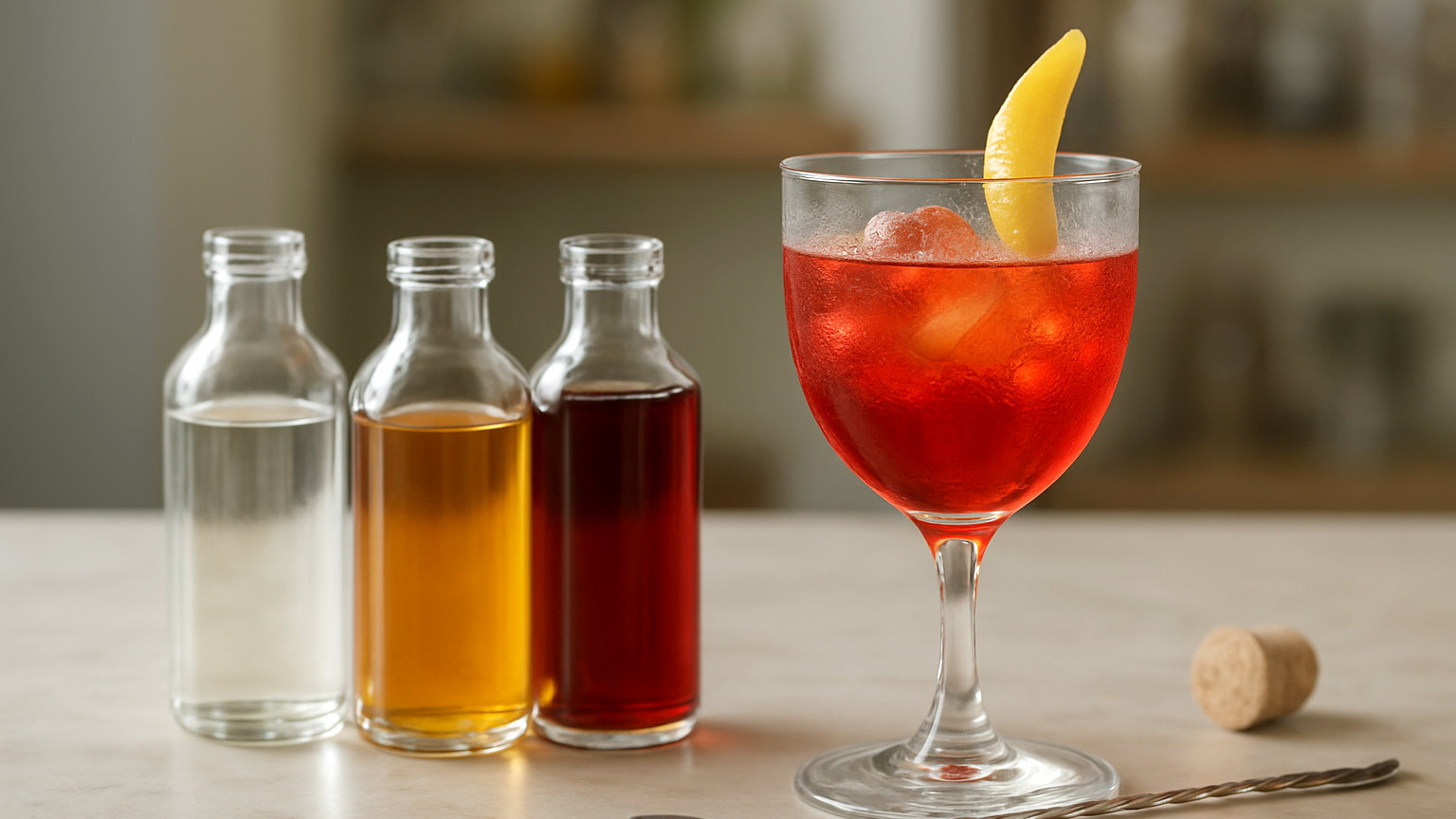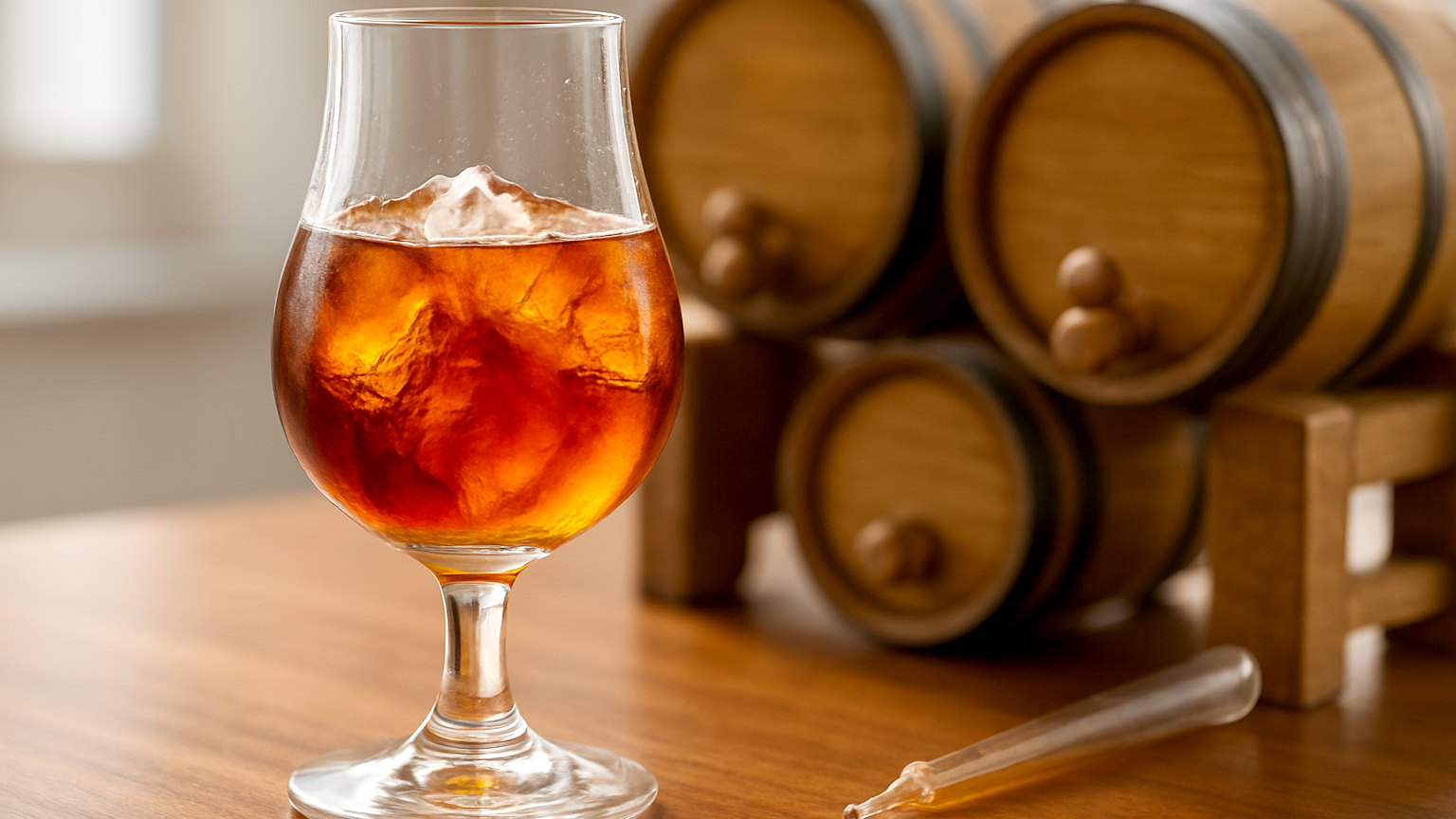
Solera is a fractional blending system developed for sherry in Spain and adopted by a number of rum producers, particularly in Latin America. It is a legitimate and sophisticated method. The argument surrounds how the results are labelled.
How does the system work?
Casks are arranged in tiers, conventionally described as rows. The oldest tier, the solera itself, sits at the bottom. Above it sit successively younger tiers called criaderas.
- A portion of liquid is drawn from the oldest tier for bottling, typically a fraction rather than the whole cask.
- That tier is topped up from the tier above it.
- Each tier in turn is refilled from the one above.
- The youngest tier receives new spirit.
Because no cask is ever emptied, a trace of the original filling remains indefinitely, diluted further with every cycle. The system produces exceptional consistency, since each bottling is a blend of many years averaged together.
Why is it used?
Consistency and complexity. A solera smooths out variation between casks and vintages, so a producer can release the same product year after year. It also allows small quantities of very old spirit to influence a much larger volume.
In sherry this is the established norm and nobody objects, partly because sherry labelling conventions around solera age are well understood within the category.
So what is the objection in rum?
The numbers. Some solera rums carry a prominent figure that refers to the age of the system, or to the oldest component, rather than to the youngest rum in the bottle.
A buyer accustomed to Scotch reads a large number as a guarantee about every drop. In a solera bottling it may describe a small fraction, while the bulk of the liquid is considerably younger. The rum may be excellent; the expectation set by the number is simply not what it appears.
Several producers have faced regulatory challenges or been required to change labelling in particular markets as a result, and some now describe the figure explicitly as referring to the solera system rather than to an age.
Is the rum itself any good?
Often, yes. Solera aged rums tend to be soft, sweet, rounded and easy to drink, which is exactly what many buyers want. They are also frequently the rums most likely to contain added sugar, which reinforces that profile.
The style has a large and satisfied audience. The criticism from enthusiasts is not that the liquid is bad but that the presentation implies something it does not deliver, and that the softness owes as much to additives as to time in wood.
How do you read a solera label?
- Look for the word solera alongside any large number, since the two together indicate a system age rather than a minimum age.
- Look for an explicit statement that the age refers to the youngest rum. Its absence on a solera product is telling.
- Check the price against the number. A twenty three on a bottle costing less than a twelve year old single distillery rum is explained by the labelling convention.
- Taste for sweetness on the finish, which frequently indicates post distillation additions rather than cask derived character.
Are there honest solera bottlings?
Certainly. A number of producers use solera systems and label them clearly, either without a headline number or with a statement of the age range involved. Some sherry cask finished rums also describe solera influence accurately without claiming a specific age.
The method is not the problem. Judge a solera rum on how clearly the producer explains what the number means, and on whether you enjoy the resulting style, rather than assuming the figure carries the weight it would on a bottle of Scotch.
How does it compare with straightforward blending?
Conventional blending combines casks of known ages in chosen proportions for a single bottling, and the blender can state the youngest component with confidence. A solera averages continuously and never resets, so precise ages become impossible to state even in good faith.
That is the practical distinction. A solera producer cannot tell you the age of the youngest rum in the bottle, because the system is designed so that no such figure exists.