Vermouth sits on a shelf next to the spirits and behaves nothing like them. It is fortified wine at 15 to 18 per cent, which is not enough alcohol to prevent oxidation, and once the bottle is open the clock starts running in weeks rather than years.
How long does it actually keep?
Refrigerated and well sealed, expect one to three months of good drinking. Some producers suggest as little as a month for optimal flavour, and dry vermouth generally fades faster than sweet.
At room temperature, the window shrinks to a couple of weeks before noticeable deterioration. A bottle left in a cupboard for six months is not dangerous, but it will not make a good drink.
What actually happens to it?
Oxidation, exactly as with an open bottle of wine. Oxygen reacts with compounds in the wine base, and the bright aromatic botanicals fade first.
The progression is fairly consistent. Freshness and lift go first, then the herbal complexity flattens, then a dull, slightly stewed, sherry-like character develops. Sweet vermouth can end up tasting of nothing but caramel and cough syrup.
How can you tell it has gone?
- Smell it. Fresh vermouth smells aromatic and herbal. Old vermouth smells flat, vinegary or faintly like stewed fruit.
- Look at the colour. Dry vermouth darkening towards deep gold or brown has oxidised.
- Taste a small amount neat. If you would not drink it on its own, it will not improve inside a cocktail.
The last test is the useful one. Vermouth is meant to be drinkable by itself, so use that as the standard.
How should you store it?
- Refrigerate after opening, without exception.
- Reseal tightly. If the bottle came with a cork, consider replacing it with a wine stopper that seals better.
- Keep it upright and away from light.
- Once the bottle is below half, decant into a smaller bottle filled to the neck. Less air means slower oxidation.
- A spray of inert wine preserving gas works well and is inexpensive.
Should you buy smaller bottles?
Yes, and this is the single most practical piece of advice in the category. Unless you make several vermouth based drinks a week, a large bottle will go stale long before it is finished.
Half bottles cost slightly more per millilitre and waste far less, and the drinks made from them are better. Buying a large bottle because it looks like better value is a false economy when half of it ends up flat.
Does the freezer help?
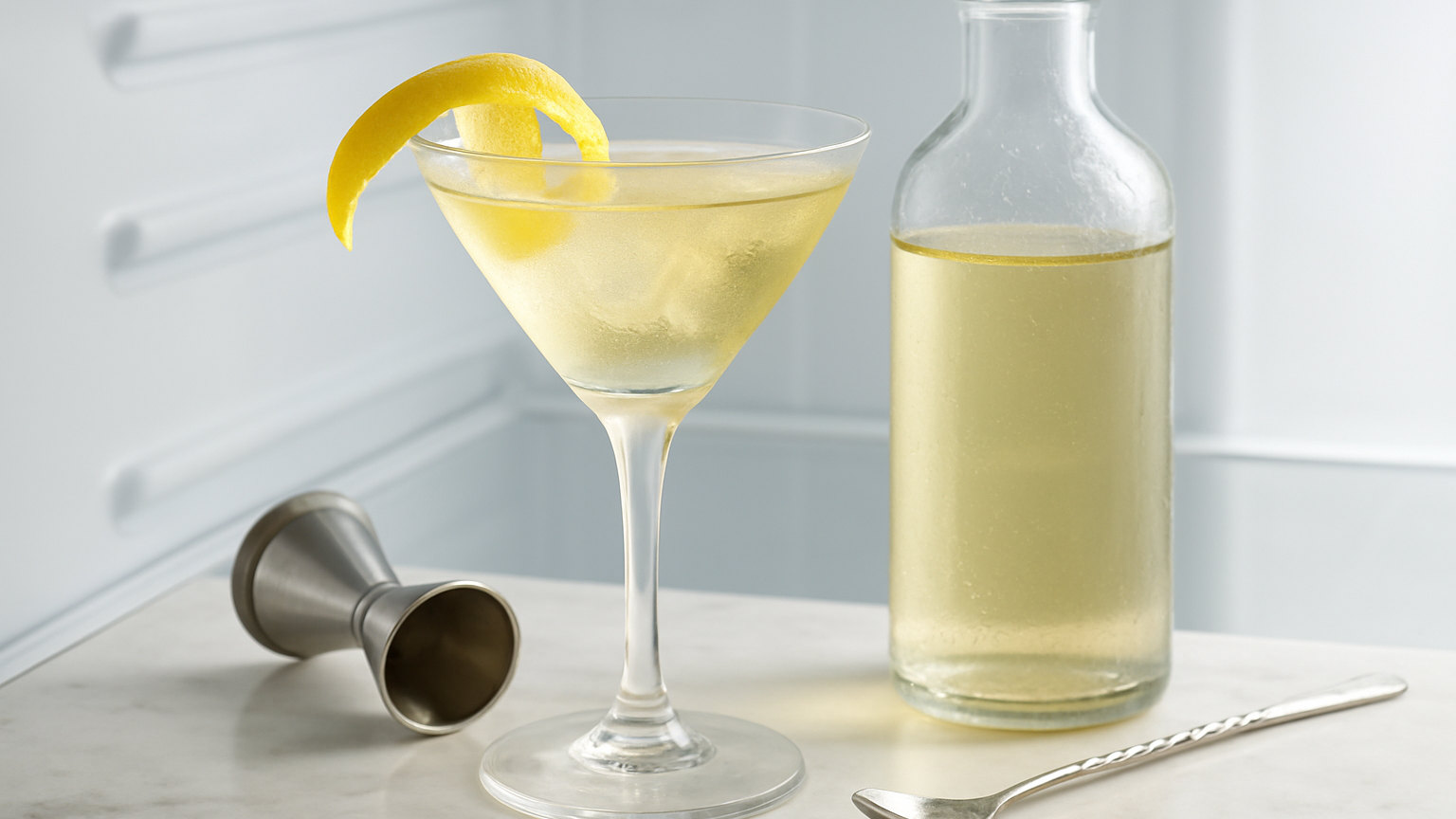
It does slow oxidation, and vermouth will not freeze solid at typical domestic freezer temperatures given its alcohol and sugar content. Some bartenders keep dry vermouth in the freezer specifically for martinis, which has the additional benefit of keeping the drink cold.
The trade off is that very cold vermouth is harder to assess, and freezing does not stop oxidation entirely. It buys time rather than solving the problem.
Can you use old vermouth for anything?
Cooking, yes. Slightly tired dry vermouth works perfectly well in a risotto, a pan sauce or anything where it will be reduced and combined with other flavours.
What it should not go into is a martini or a negroni, where it is a third of the drink and nothing will cover for it. If the choice is between a stale martini and no martini, the second is the better evening.
Does the same apply to other aperitif wines?
Yes. Sherry, port, quinquina and americano style aperitifs are all wine based and behave the same way. Anything below about 20 per cent alcohol belongs in the fridge once opened and should be treated as having a life measured in weeks.
Fortified wines at the higher end of that range last longer than vermouth, and the oxidative styles such as oloroso and madeira are the most robust of all, since they were deliberately exposed to air during production. Fino and manzanilla sherry are the most fragile and are best finished within a week.