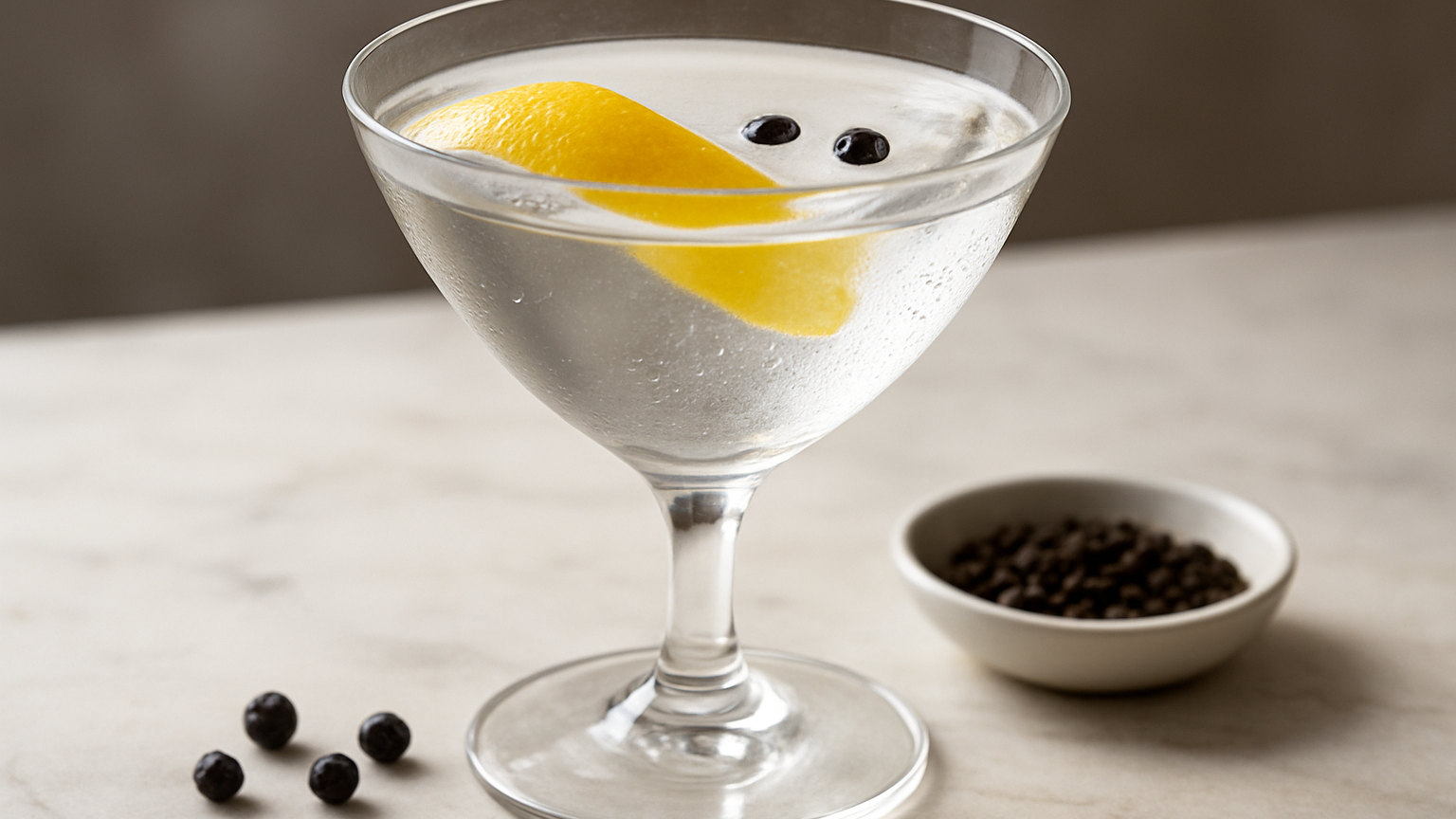
Navy strength gin is bottled at 57 per cent alcohol, sometimes a fraction above. That is roughly forty per cent stronger than a standard gin, and the figure is not arbitrary. It descends from a practical test involving gunpowder.
Where does 57 per cent come from?
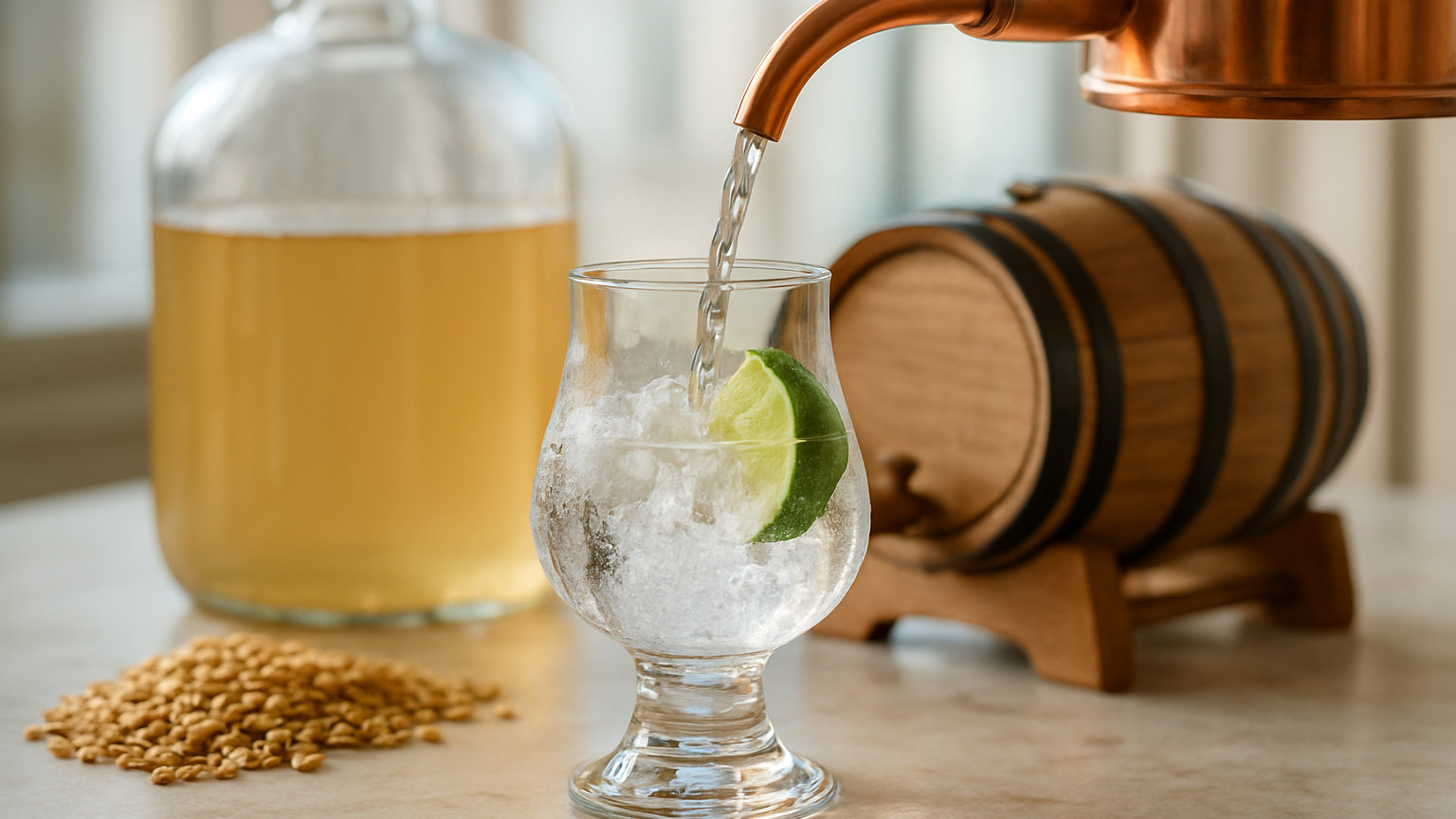
Spirits were carried aboard Royal Navy ships alongside the powder magazine. If a barrel leaked onto the powder, the question was whether the powder would still ignite. Spirit above a certain strength leaves powder able to burn; below it, the powder is ruined.
The test was to wet a small quantity of powder with the spirit and try to light it. If it flashed, the spirit was proof. That threshold sits at about 57.15 per cent alcohol by volume, which is where 100 degrees proof in the old British system was set, and where navy strength gin is bottled today.
The term navy strength itself is modern, coined in the 1990s for marketing purposes. The strength is historical; the label is not.
Is it just stronger, or does it taste different?
Both. Higher alcohol carries more aromatic compounds, so a navy strength gin generally smells and tastes more intense than the same recipe at 40 per cent, with the botanicals more sharply defined.
Many producers also adjust the recipe rather than simply bottling the standard gin at a higher strength, increasing botanical quantities so the balance holds up. The result is usually a gin that reads as more juniper forward and more peppery.
Why do bartenders like it?
Because cocktails involve dilution. A drink that is shaken or stirred picks up a substantial quantity of water from the ice, and one served long picks up considerably more from the mixer. A gin at 40 per cent can be reduced to the point where the botanicals disappear underneath tonic or citrus.
Starting at 57 per cent means the gin is still audible at the end. This is most obvious in three places:
- Gin and tonic. A single measure of navy strength in a tall glass of tonic tastes like a gin drink rather than a tonic drink.
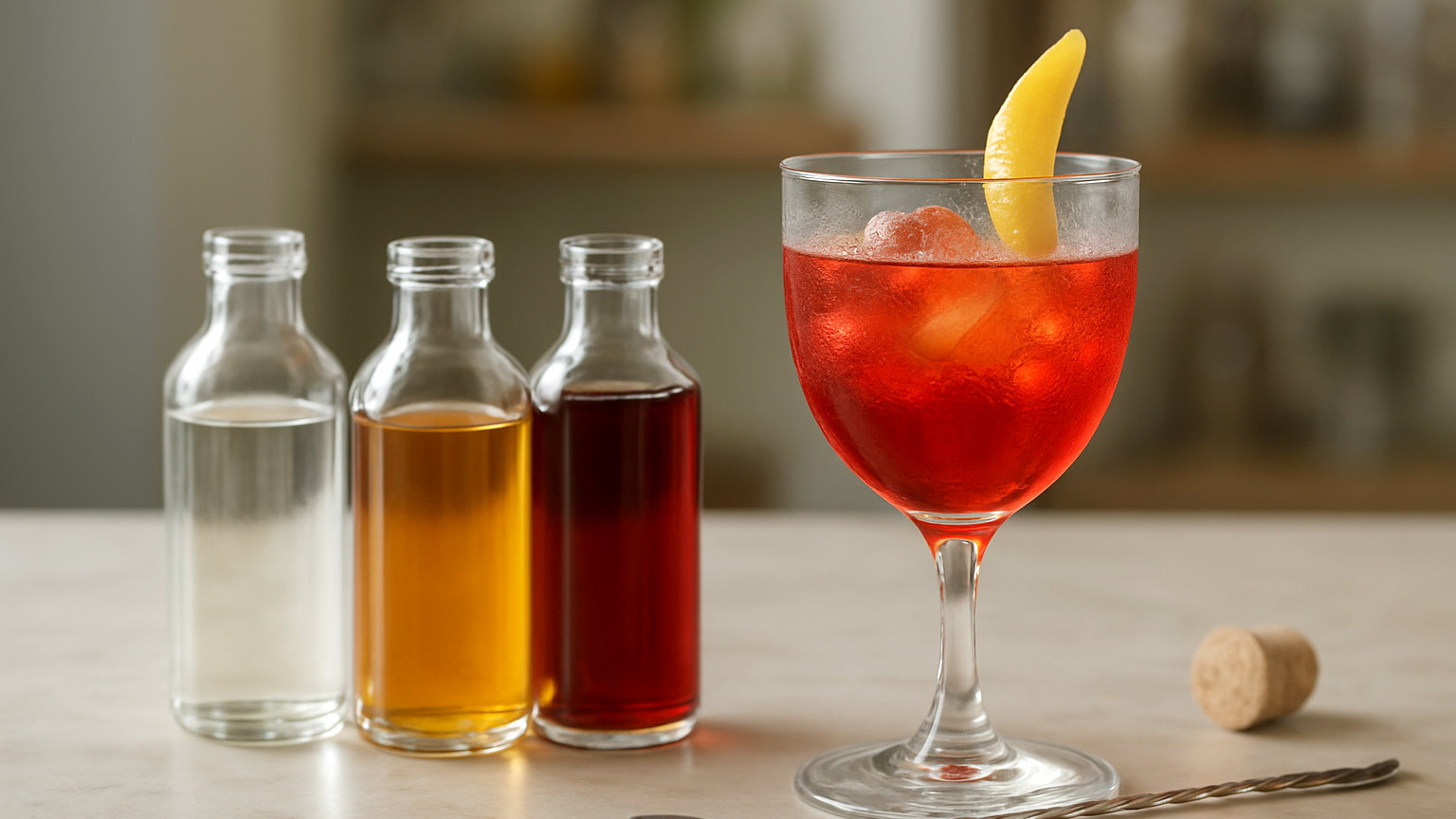
- Negroni. The equal parts recipe pits gin against campari and sweet vermouth, both of which are assertive. A stronger gin holds its corner.
- Sours and long drinks with citrus. Lemon and sugar flatten a lower strength gin quickly.
Is it good value?
Often, yes, if you compare on alcohol rather than volume. A bottle at 57 per cent contains around forty per cent more alcohol than one at 40 per cent, so if the price difference is smaller than that, the stronger bottle costs less per serving.
It also means you can pour less. Using 35 millilitres of navy strength where you would use 50 of standard gives a similar overall strength in the finished drink and makes the bottle last longer.
How should you drink it neat?
Cautiously, and with water available. At 57 per cent the alcohol dominates the nose, and a few drops of water opens it up in exactly the way it does with cask strength whisky. Gin is not primarily a sipping spirit, but a good navy strength rewards a small measure taken slowly, especially if it has been chilled.
What about other overproof gins?
Navy strength is a convention rather than a legal category, and there is no rule requiring 57 per cent specifically. Some producers bottle at 50, 54 or 58 per cent and use terms such as overproof or export strength. A few go considerably higher.
Anything above about 45 per cent will give you most of the practical benefit in cocktails, so the exact figure matters less than the general principle. What is worth checking is whether the higher strength version is the same recipe or a reformulation, because those are quite different products sharing a name.
Should it be your only gin?
If you make cocktails more often than you drink long gin and tonics, it is a defensible single bottle choice, since you can always pour less. If you mostly drink gin with tonic in generous measures, a standard strength bottle is easier to judge and gentler on the evening.