Juniper is the single non-negotiable element of gin. Every other feature is optional: the base spirit, the botanical recipe, the strength above the legal minimum, even whether the gin is clear. Remove the juniper and, in law, the product is no longer gin.
What does the law actually say?
United Kingdom and European Union regulations define gin as a juniper flavoured spirit drink made by flavouring ethyl alcohol of agricultural origin with juniper berries. The crucial clause is that the taste must be predominantly that of juniper.
Predominant is doing a lot of work in that sentence and is not defined numerically. There is no minimum quantity of juniper per litre and no laboratory test. Regulators assess it as a sensory judgement, which makes enforcement rare but not impossible.
Why does the requirement exist?
Because without it the category would mean nothing. Gin is neutral spirit plus flavour, and neutral spirit plus flavour describes an enormous number of products. Juniper is the boundary that keeps gin from expanding into every flavoured vodka on the shelf.
The rule also has a historical purpose. Gin has a long association with cheap adulterated spirit, and eighteenth century London gin was frequently flavoured with turpentine and worse. Defining the category around a genuine botanical was part of dragging it into respectability.
Why is juniper the botanical that was chosen?
It comes from medicine rather than from taste. Juniper had a long reputation as a treatment for kidney and digestive complaints, and distilling it into spirit was originally a way of delivering that supposed benefit. Dutch genever grew out of exactly this tradition, and English gin grew out of genever.
The flavour then turned out to be extremely useful. Juniper is resinous, dry and bitter enough to give structure, and it combines well with citrus, spice and quinine. The gin and tonic and the martini both depend on that dryness having something to push against.
What happens when a producer goes too far?
Products that lead with fruit or sweetness rather than juniper sit outside the definition, and the responsible way to sell them is under a different name. This is why you see terms such as gin liqueur, flavoured spirit drink and juniper flavoured spirit drink on labels of otherwise gin-like bottles.
- Gin liqueur means the sugar content is high enough to make it a liqueur rather than a spirit. Most sloe gin and many pink products fall here.
- Spirit drink means the juniper is not predominant, or a required condition has not been met.
- Gin means it passed. The word on the front is a claim about the taste, not decoration.
Regulators in several countries have taken action against products that used the word gin while tasting almost entirely of berries or sweets, so the boundary is enforced from time to time.
Can a gin be too juniper heavy?
For some palates, yes. Very juniper forward gins can read as medicinal or aggressively piney, particularly to someone who has arrived at gin through the sweeter modern styles. There is no rule capping juniper, so producers who want an assertive classic profile are free to make one.
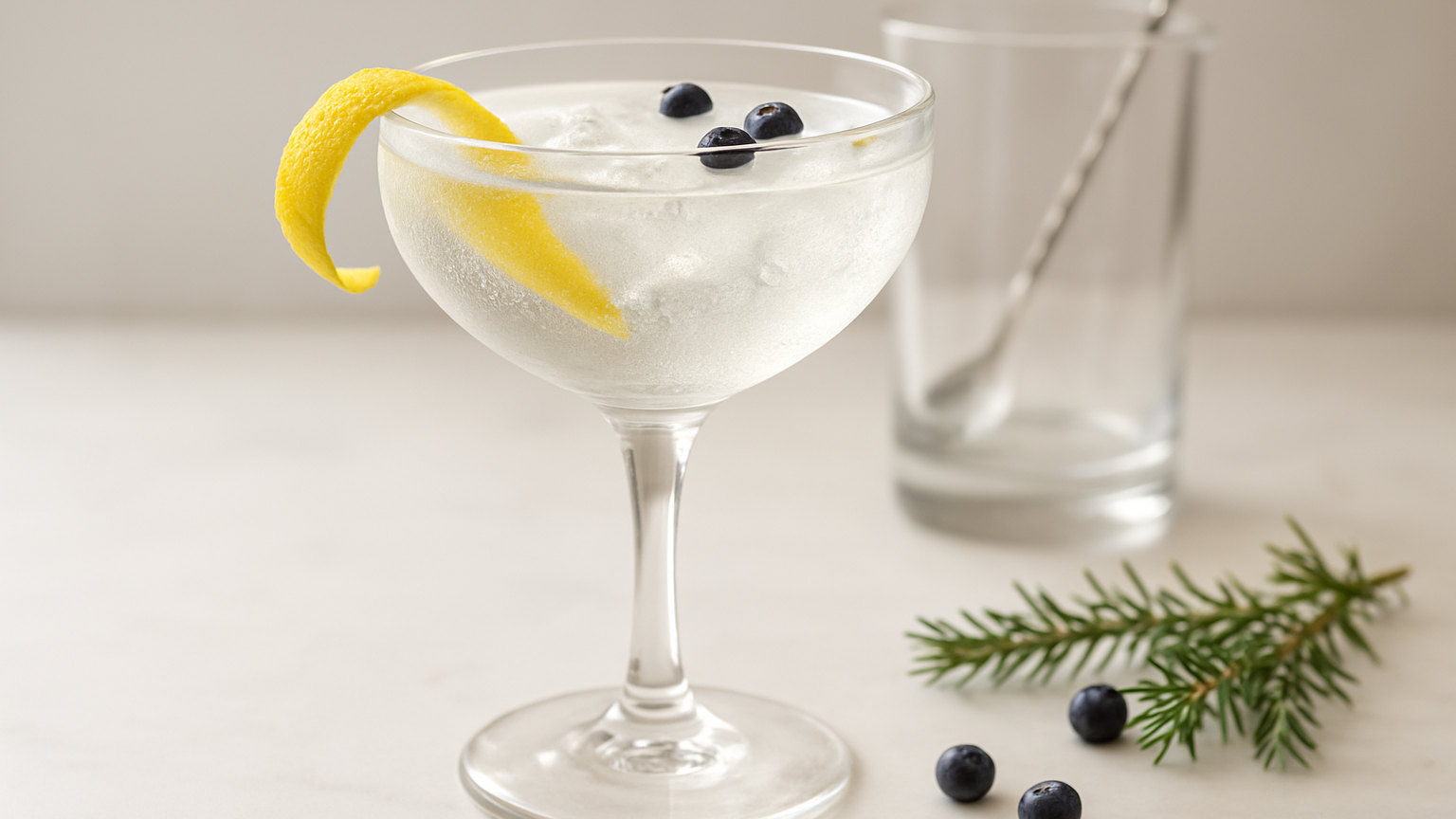
The style that results is excellent in a martini, where the botanical carries the whole drink, and can be overwhelming in a simple gin and tonic unless the tonic is dry and the garnish restrained.
How do you tell how much juniper is in a bottle before buying it?
Look at what the marketing leads with. A bottle that names a fruit or a flower on the front is telling you that this element has been pushed towards the front of the flavour, whether or not it technically remains behind the juniper. A bottle that leads with the word dry, or that says nothing beyond the distillery name, is usually more traditional.
Price gives a second clue. Compounded gin at the bottom of the market cannot afford much botanical material of any kind, so juniper tends to be present but thin. Somewhere in the middle of the range is where the classic juniper led style is most reliably found.