Genever, also spelled jenever, is the Dutch and Belgian juniper spirit that English gin descends from, and it has been made since long before anything recognisable as gin existed. Anyone tasting it for the first time expecting gin is usually surprised, because it has more in common with a light unaged whisky.
What makes genever different from gin?
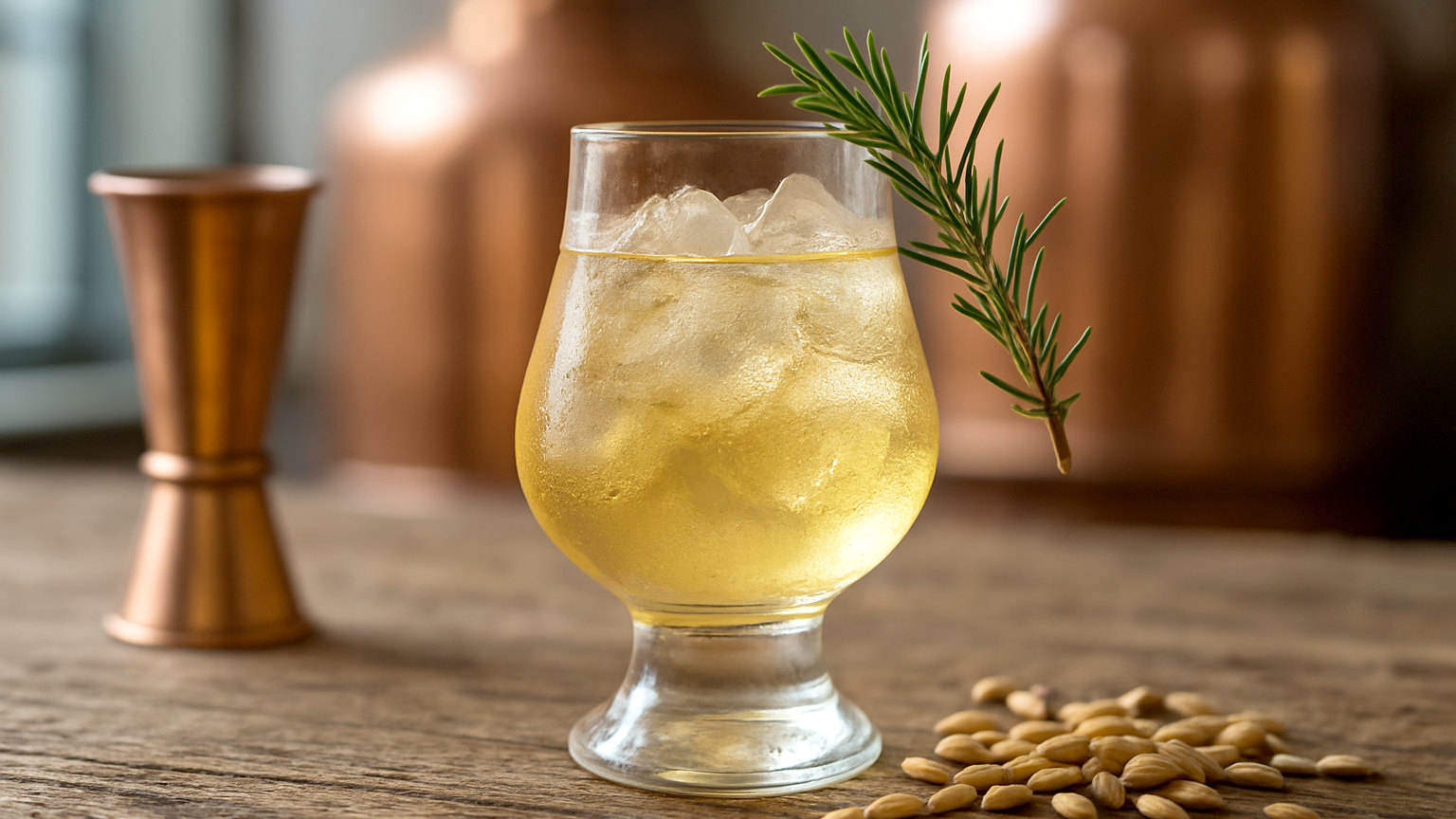
Malt wine. Where gin is built on neutral spirit with the character stripped out, genever includes a proportion of moutwijn, a spirit distilled from a mash of malted barley, rye and maize in pot stills. It is deliberately not neutral and carries cereal, bready and nutty flavours.
Juniper is present but plays a supporting role rather than leading. The result is fuller, softer and maltier than gin, sometimes faintly oily, and often slightly sweetened.
Is it a protected category?
Yes. Genever holds a protected geographical indication and can only be produced in the Netherlands, Belgium, two French departments and two German states. That protection is more restrictive than anything covering gin itself, which can be made anywhere.
What do oude and jonge mean?
They translate as old and young, but they refer to styles rather than to ageing, which catches out a lot of people.
- Oude genever is the older style and must contain at least 15 per cent malt wine, with a maximum of 20 grams of sugar per litre. It is richer and maltier. It may or may not have been aged in wood.
- Jonge genever is the newer style, developed in the twentieth century when tastes moved towards lighter spirits. It may contain no more than 15 per cent malt wine and is cleaner and closer to vodka in weight.
- Korenwijn sits above both, with 51 per cent or more malt wine, and is usually cask aged. It is the closest thing to a whisky in the family.
Some genevers are aged in oak and take on colour and vanilla, and these are labelled accordingly.
How did it become gin?
English soldiers encountered it during campaigns in the Low Countries in the seventeenth century, and the story of Dutch courage comes from that period. When William of Orange took the English throne in 1688, trade policy shifted sharply against French brandy and in favour of domestically distilled spirit.
English distillers copied the Dutch product with the equipment and ingredients available, which meant poorer base spirit, more sweetening to hide it, and heavier juniper. That became the gin of the eighteenth century gin craze. Once continuous distillation produced clean neutral alcohol in the nineteenth century, the sweetening became unnecessary and the London dry style emerged.
So the sequence runs genever, then sweetened English gin, then Old Tom, then London dry, with each step made possible by better distilling technology.
How should you drink it?
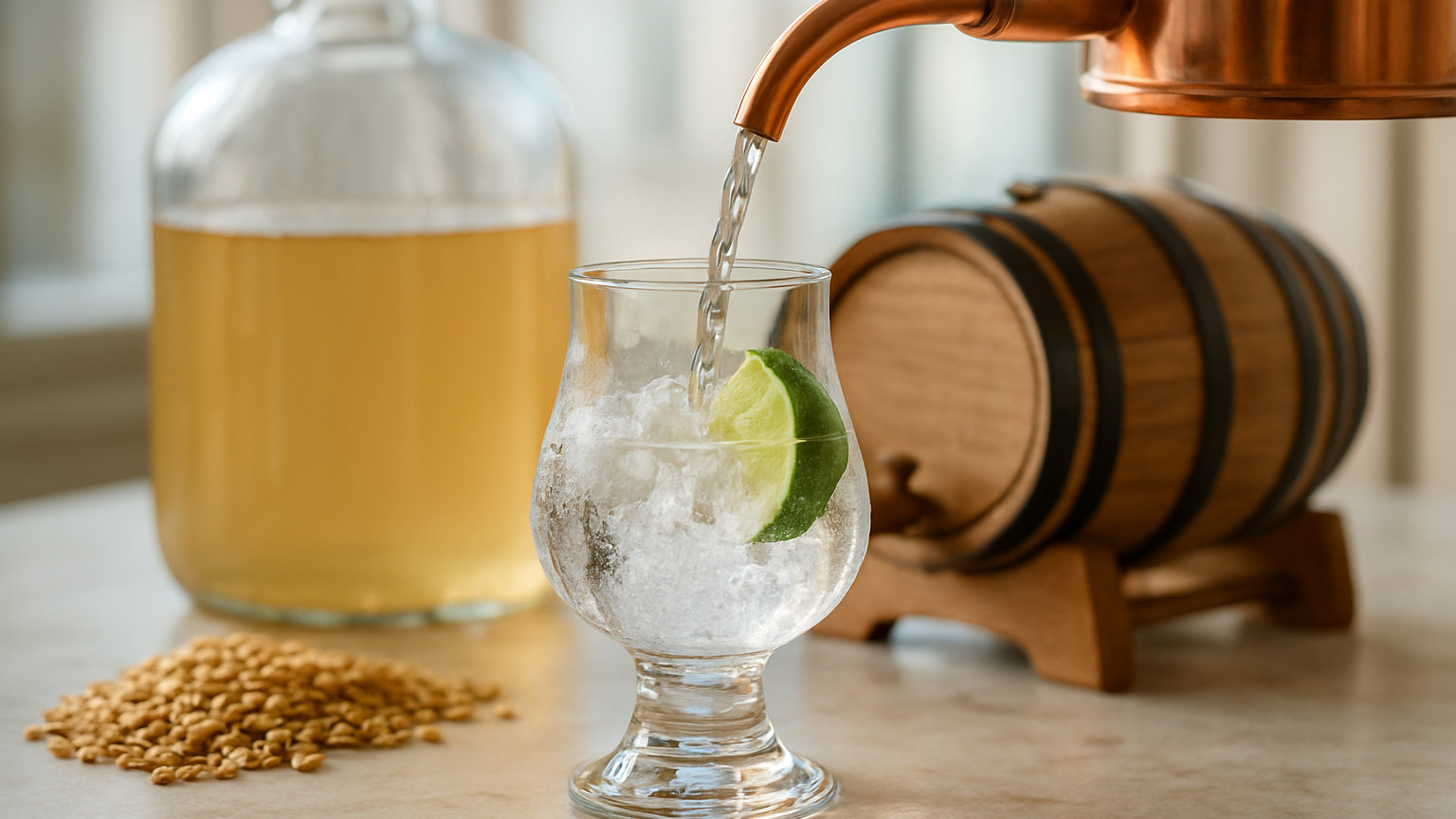
Traditionally neat and very cold, served in a small tulip glass filled to the brim, which is why the ritual involves bending down to take the first sip without lifting the glass. It is often accompanied by a beer, a pairing known as a kopstootje.
In cocktails, genever works where the malt character is welcome. A number of nineteenth century recipes calling for Holland gin were written for it, and drinks such as an improved gin cocktail or a genever based collins show it off well. Substituting it into a modern dry martini rarely succeeds, because the malt fights the vermouth.
Is it worth buying?
If you enjoy exploring how categories connect, it is one of the more rewarding bottles to own, because it explains gin's existence in a single sip. Jonge genever is the easier introduction and the cheaper one. Oude genever is the more interesting drink and the better place to understand what the style actually is.
Do not buy it expecting a substitute for gin in a gin and tonic. It is closer to a young whisky, and treating it as one produces far better results.