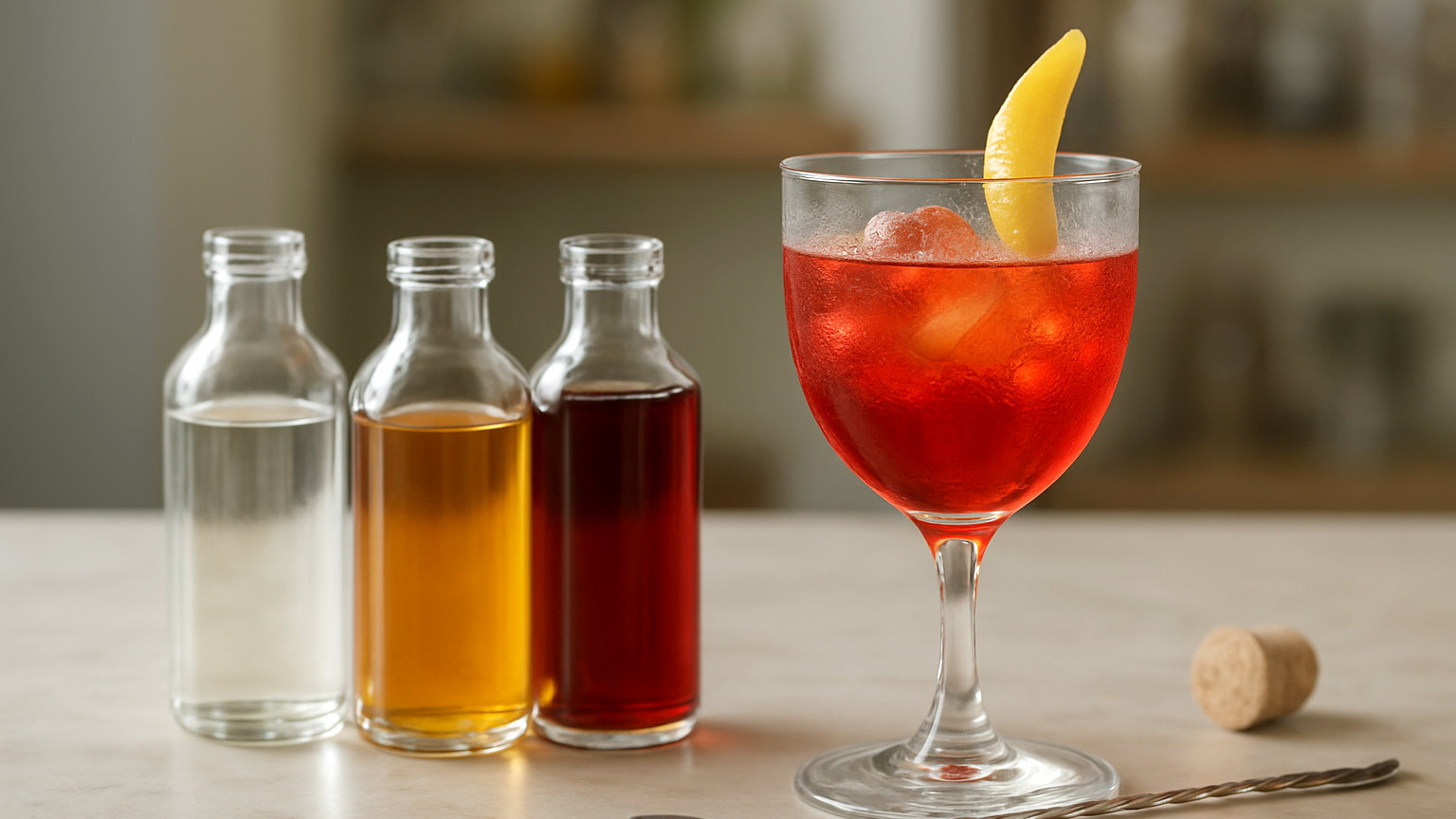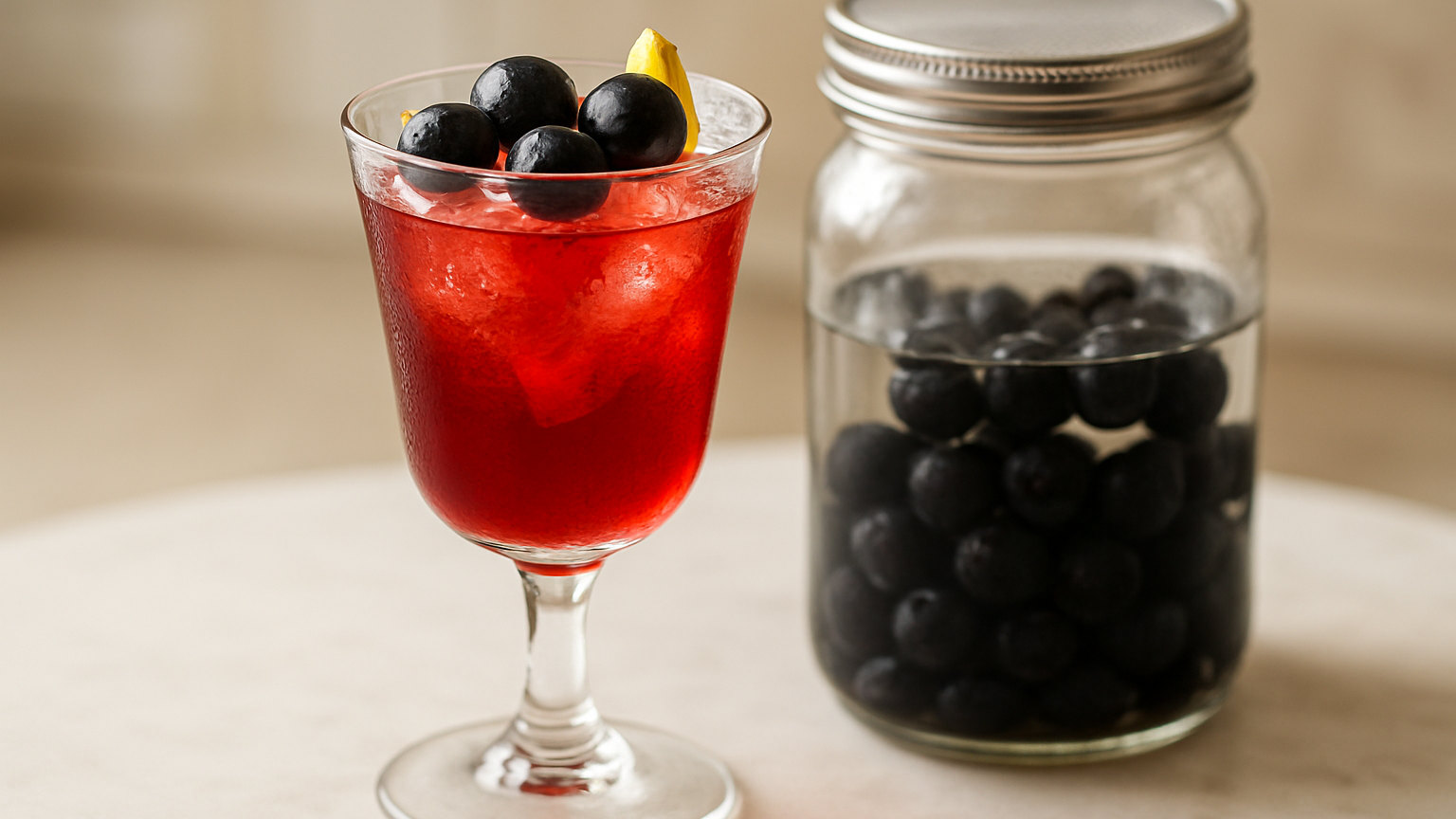
Sloe gin is made by steeping sloes, the small bitter fruit of the blackthorn, in gin with sugar until the spirit takes on their colour and flavour. It is an infusion, not a distillation, and it is legally a liqueur rather than a gin.
Why is it not classified as gin?
Two reasons. The sugar content is high, typically well above the 100 grams per litre threshold that defines a liqueur. And the strength is usually reduced to somewhere between 25 and 30 per cent, below the 37.5 per cent minimum a gin must meet.
United Kingdom and European rules make a specific allowance for the name, permitting sloe gin as a traditional term for a liqueur produced by macerating sloes in gin. So the label is accurate and legal; the product is simply in a different category from the gin it started as.
What does it taste like?
Dark red to purple in the glass, with almond, plum and marzipan notes over a tart fruit base. Good sloe gin retains a distinct sharpness underneath the sweetness, and the almond character comes from the stones, which contain the same compounds responsible for marzipan flavour in cherry and apricot kernels.
The gin underneath should still be detectable. If it tastes purely of sweet fruit, the base was probably indifferent or the sugar was overdone.
How is it made?
The process is simple enough that home production is common and generally produces excellent results.
- Pick sloes after the first frost, traditionally, which softens the skins. Freezing them overnight achieves the same effect and is what most people now do.
- Prick each sloe or use frozen fruit, which splits naturally. This lets the gin reach the flesh.
- Half fill a jar with fruit, add sugar at roughly half the weight of the fruit, and top up with gin.
- Seal it and shake it every few days for the first fortnight to dissolve the sugar, then leave it somewhere dark.
- Strain after two to three months. Longer extraction gives more flavour but the colour peaks earlier.
Sugar quantity is a matter of taste and can be adjusted after straining, so starting with less and sweetening later is the safer approach.
What gin should you use?
A decent but not expensive London dry. A juniper forward gin gives the finished liqueur backbone and stops it becoming merely a fruit syrup. There is no point using a premium bottle, since the delicate botanicals will be swamped, but the cheapest compounded gin will leave a harshness that the sugar cannot hide.
How long does it keep?
Years, if strained off the fruit and kept sealed. Sugar and alcohol both act as preservatives. Many people find sloe gin improves for the first year or two as the almond notes integrate, and it does not deteriorate the way a low strength drink would.
Leaving it on the fruit indefinitely is not recommended, since the stones can eventually contribute a bitterness that is unpleasant rather than interesting.
What do you do with it?
- Neat, at room temperature, which is the traditional serve and suits it well after a cold walk.
- Topped with sparkling wine, which makes an excellent aperitif and is sometimes called a sloe gin royale.
- In a sloe gin fizz, with lemon juice and soda, where the tartness of the fruit does much of the work a sour normally needs sugar for.
- Alongside dry gin in a martini or negroni, replacing a small part of the measure rather than all of it, which adds fruit without turning the drink sweet.
What about damson and other fruit gins?
The same method works with damsons, blackberries, raspberries and rhubarb, and the results are all liqueurs by the same reasoning. Damson gin is richer and less almondy than sloe. Softer fruits need less time, often a few weeks rather than months, because they break down faster and can turn muddy if left too long.