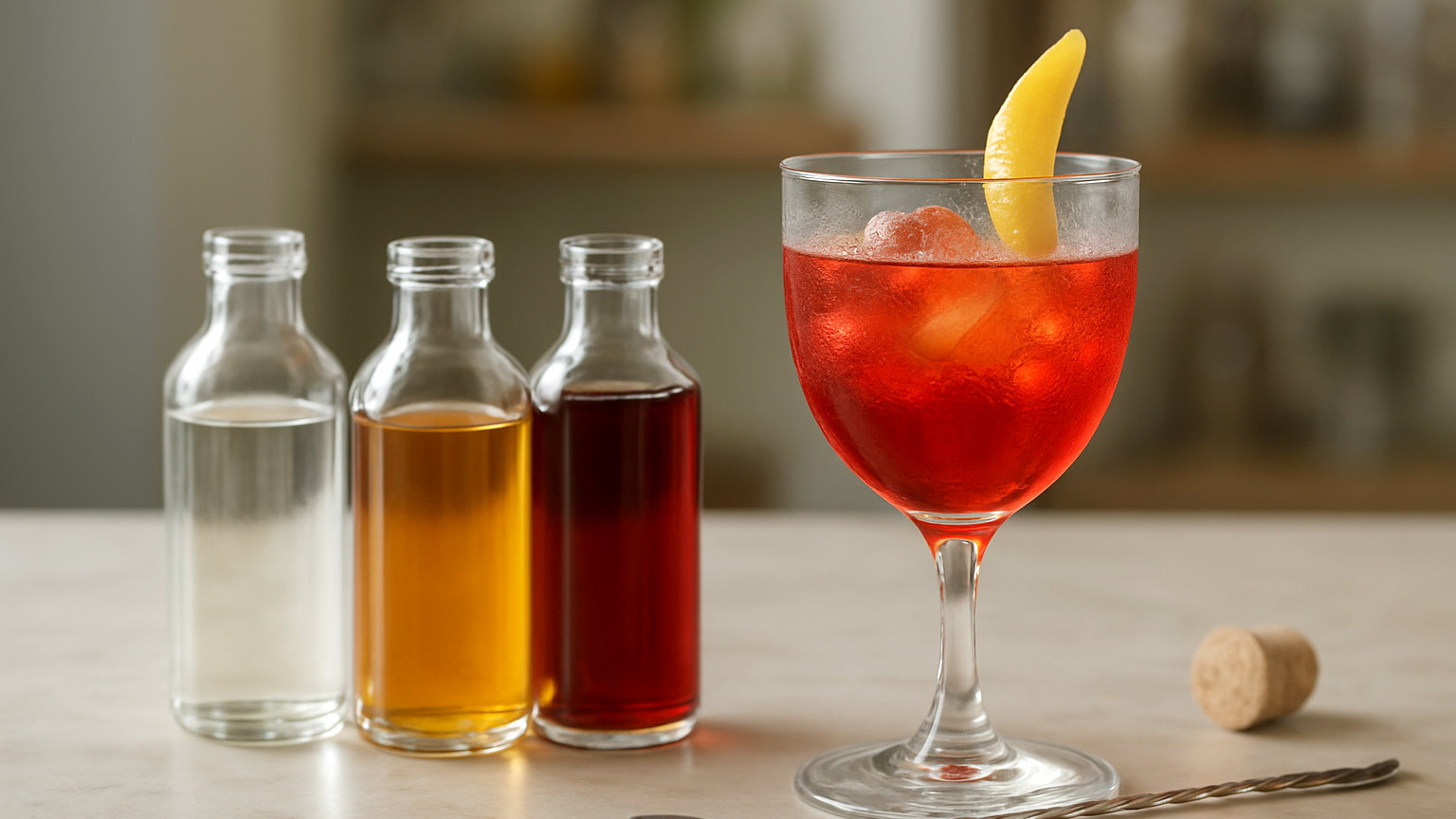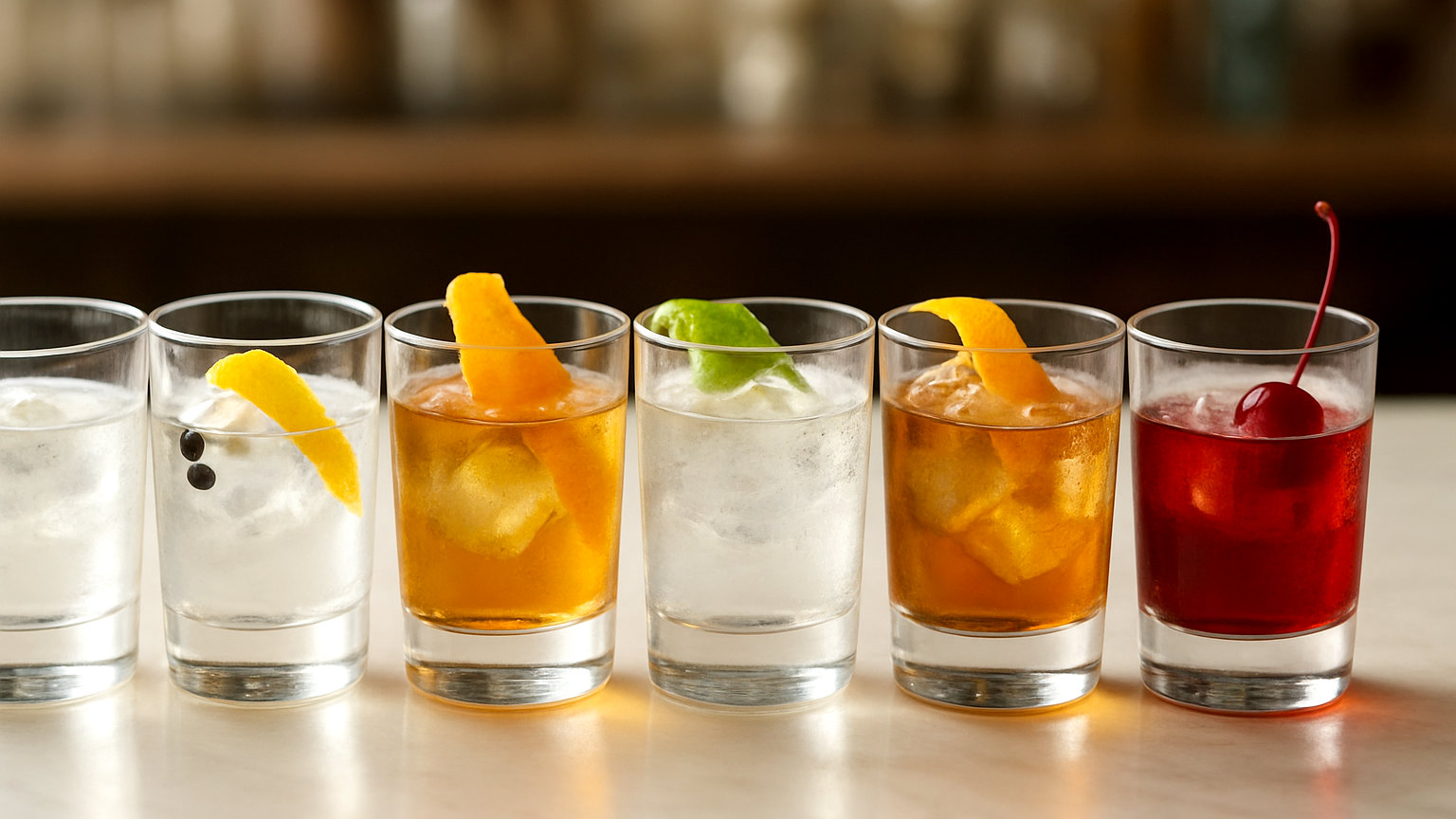
Cognac has an image as an after dinner spirit to be sipped reverently, which is a twentieth century marketing achievement rather than a historical fact. In the nineteenth century brandy was the default base for mixed drinks, and a good deal of the classic cocktail canon was built on it.
Why did brandy come first?
Because it was the prestige spirit of the era and widely available in the ports where cocktail culture developed. Early American drink manuals list brandy cocktails, brandy smashes, brandy juleps and brandy punches in abundance.
The shift towards whisky came later, driven partly by phylloxera, the vine louse that devastated European vineyards in the late nineteenth century and cut cognac supply drastically for years. Whisky and rye filled the gap and never gave it back.
Which cocktails are built on cognac?
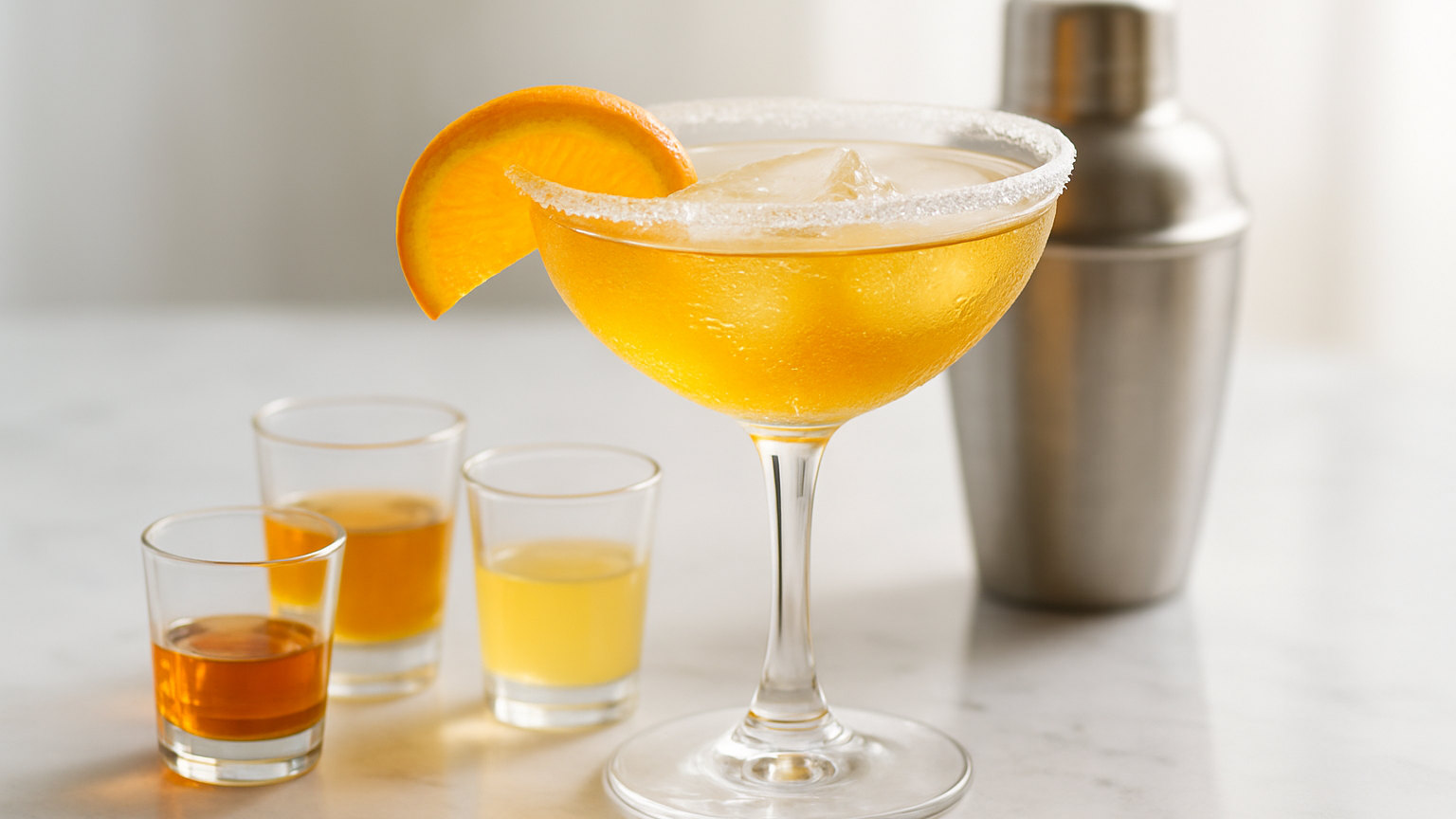
- Sidecar. Cognac, orange liqueur and fresh lemon juice. The definitive cognac cocktail and one of the great sours.
- Brandy crusta. An elaborate nineteenth century drink with a sugared rim and a long citrus peel, and an ancestor of the sidecar.
- Vieux carre. Cognac and rye together with sweet vermouth, benedictine and bitters. Rich and complex.
- Sazerac. Originally made with cognac before rye became standard. The cognac version is softer and worth trying.
- Brandy alexander. Cognac, dark creme de cacao and cream. A dessert drink, and a good one when properly made.
- Horse's neck. Cognac, ginger ale, bitters and a long lemon peel. Simple and refreshing.
- French connection. Cognac and amaretto in equal parts, stirred over ice. Two ingredients and nothing to it.
- Champs elysees. Cognac, green chartreuse, lemon and sugar, which is a sidecar with a herbal edge.
Which age designation should you use?
VS or VSOP. A VS is fruity, bright and inexpensive, and it holds up well in a sour or a long drink. VSOP adds a little more weight for stirred drinks such as a vieux carre.
XO is generally a waste in a cocktail. The nutty, oxidative complexity that makes it expensive is exactly what citrus and sugar will bury, and you would be paying a large premium for something the drink cannot express.
How do you make a sidecar?
- Combine 50 millilitres of cognac, 20 of good orange liqueur and 20 of fresh lemon juice in a shaker with ice.
- Shake hard for around twelve seconds.
- Strain into a chilled coupe, with a sugared rim on half the glass if you want one.
- Taste and adjust. Lemons vary, and the balance between liqueur and citrus is the whole drink.
Ratios vary considerably between sources, from equal parts to the drier version above. Start dry and add sweetness, since it is easier to correct in that direction.
Does armagnac work as well?
Yes, and differently. Armagnac's fuller, pruney character gives a richer sidecar and an excellent old fashioned. Its lower distillation strength means more flavour survives dilution, which suits mixed drinks.
Calvados, pisco and Spanish brandy all have their own cocktail traditions too, so the wider brandy family is more useful behind a bar than cognac alone.
Is it acceptable to mix good cognac?
Entirely, and the region actively encourages it. Cognac houses have promoted long serves with tonic and ginger ale for years, precisely because the sipping-only image limits the category.
The only rule worth observing is matching the expression to the drink. Use young cognac where dilution and sweetness are involved, and save the old bottles for a glass on their own where you can actually taste what you bought.
What about brandy in punch?
Punch was the original format for mixed drinks, predating the cocktail by a long way, and brandy was one of its standard bases alongside rum and arrack.
The template is simple: spirit, citrus, sugar, water and spice, mixed in a bowl and served over a large block of ice. It scales easily, can be made in advance, and is a considerably better use of a bottle of VS cognac than serving it neat.