
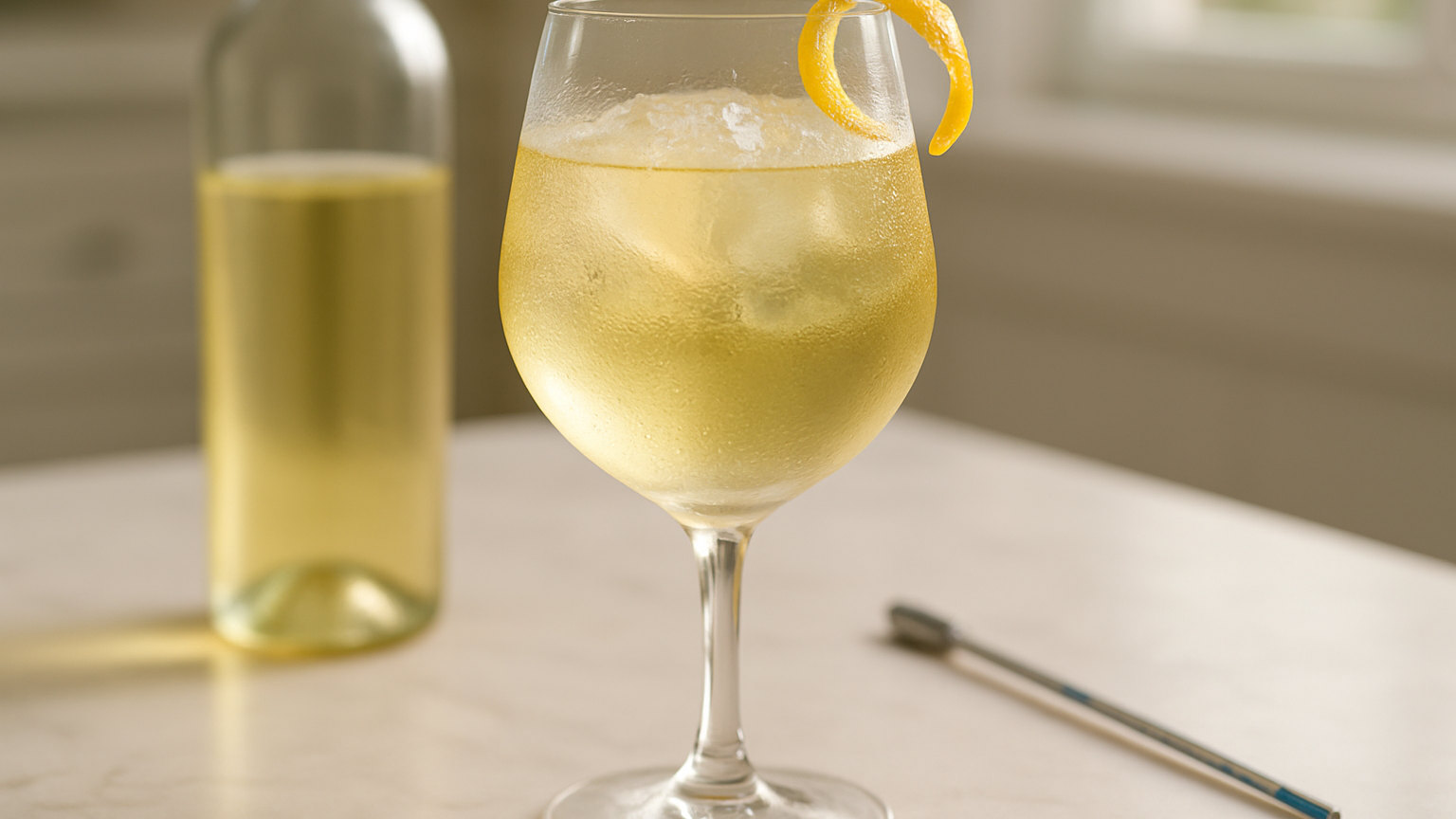
Red wine in Britain is habitually served too warm and white wine too cold, and the second error costs more than the first. A domestic fridge runs at around four degrees, and white wine served straight from it is well below the temperature at which it can show what it has.
The reason is straightforward. Aromatic compounds are volatile, meaning they evaporate from the surface of the wine and travel to your nose, and volatility falls sharply with temperature. Chill a wine hard enough and those compounds stay in the liquid, so a glass that should smell of lime, peach or elderflower smells of very little at all. Cold also suppresses the perception of sweetness while emphasising acidity and bitterness, which is why an over-chilled white can taste thin and hard.
The useful range
Between roughly seven and thirteen degrees covers all white wine, and the position within that band should follow the style.
Light, aromatic and inexpensive whites belong at the cooler end, around seven to nine degrees. Pinot grigio, most sauvignon blanc, picpoul and simple everyday wines fall here, since freshness is what they offer and cold accentuates it. Sparkling wine sits in the same range.
Medium-bodied whites with more to say want ten or eleven degrees. Riesling, albariño, chenin blanc, grüner veltliner and unoaked chardonnay all show more of themselves at this temperature than they do straight from the fridge.
Full-bodied and oaked whites want twelve or thirteen degrees, which is cooler than most people serve red wine but distinctly warmer than a fridge. White burgundy, oaked chardonnay and rich Rhône whites lose their texture and complexity when served too cold, and the expensive ones lose the most.
Reaching it in practice
Two hours in a domestic fridge brings a bottle from room temperature to around seven or eight degrees. That is right for a simple aromatic white and too cold for anything more serious, which is why the practical instruction for better bottles is to take the wine out of the fridge twenty minutes before you intend to drink it.
If you need to chill something quickly, a bucket of ice and water will do it in fifteen to twenty minutes. Water is the essential ingredient, since ice alone touches only a fraction of the bottle's surface and works far more slowly. Adding a handful of salt speeds it further.
The freezer works in around twenty five minutes and requires a timer, because a forgotten bottle will freeze, expand and either push the cork out or crack. It is a reasonable emergency measure and a poor habit.
The glass matters too
Wine warms quickly once poured, especially in a large glass held by the bowl. A white poured at nine degrees can be at fifteen within twenty minutes on a warm evening, by which point it has passed through its ideal range and out the other side.
Pouring smaller measures and refilling more often keeps the wine in the right window, and holding the glass by the stem genuinely helps rather than being mere etiquette. Keeping the bottle in an ice bucket between pours is not affectation either, though on a cool evening it will overshoot and the bottle is better left on the table.
Why this is worth bothering with
Serving temperature is free, requires no equipment and changes a wine more than a few pounds of extra spending does. The demonstration takes ten minutes: pour two glasses from the same bottle, leave one out to warm slightly, and taste them side by side.
Restaurants make this mistake as often as anyone, and a bottle plunged into an ice bucket for the duration of a meal will end up colder than it should be by the second glass. Asking for the bucket to be taken away, or simply leaving the bottle on the table once the wine is properly chilled, is a reasonable thing to do and improves what is in the glass noticeably.
The warmer glass will almost always smell of more. If the wine is a cheap one, that may not be an advantage, which is the other half of the lesson. Very cold serving hides a wine's shortcomings as effectively as it hides its virtues, and that is a legitimate use of a fridge.


