
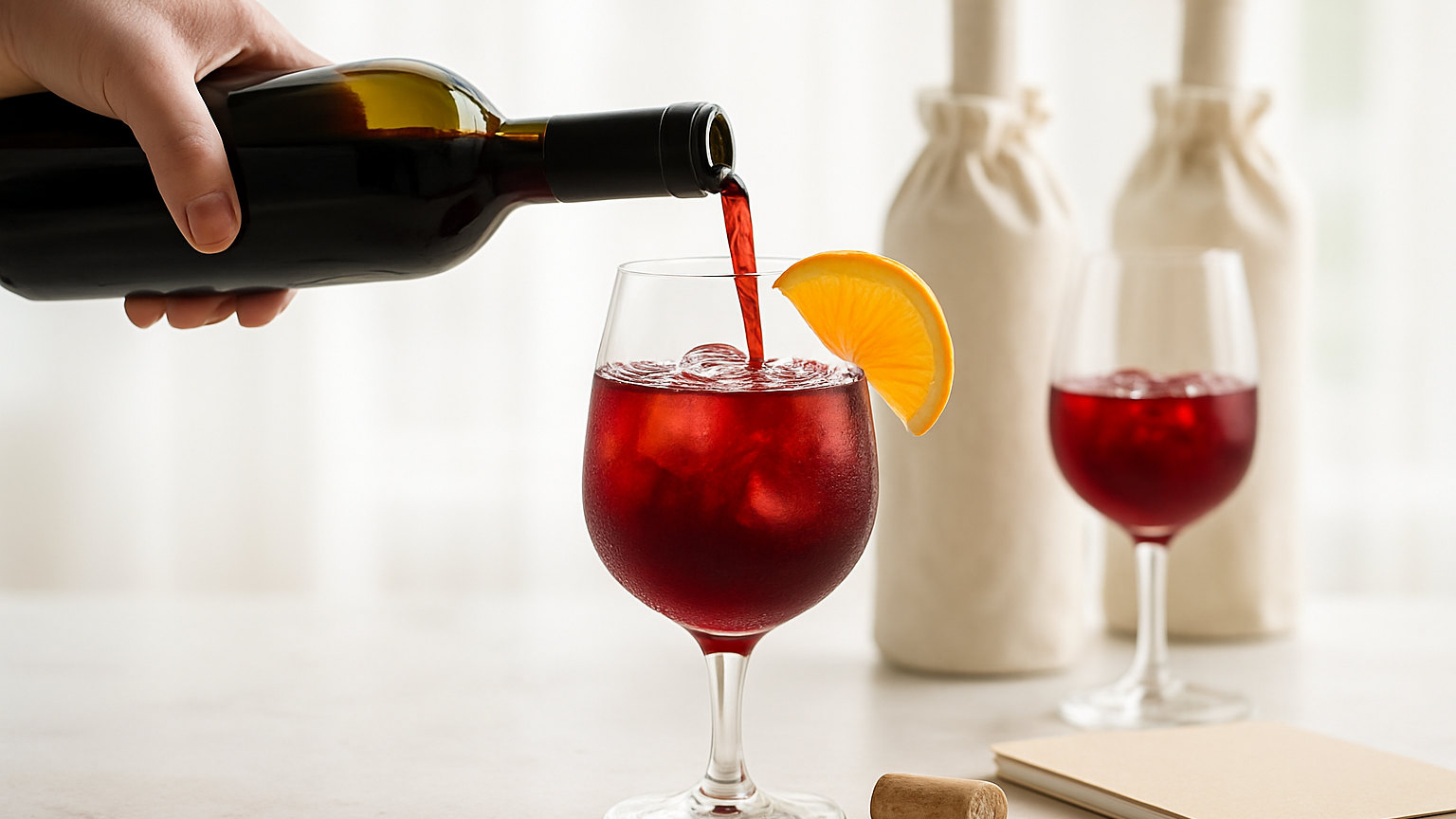
Blind tasting means assessing wine without knowing what it is. In its simplest form the bottles are covered and the drinkers give their impressions; in its most demanding, a taster works systematically through appearance, aroma and palate to deduce grape, region, vintage and quality.
The reason it matters has less to do with the parlour game than with what it reveals about how much of wine appreciation happens before the glass reaches the mouth.
What expectation does
A body of research over the past two decades has found consistently that contextual information changes how people experience wine. Told a bottle is expensive, participants report enjoying it more than when told it is cheap, even when it is the same wine. Brain imaging studies have found that the reported pleasure corresponds to measurable differences in activity, meaning people are not simply saying what they think is expected.
Labels, price, region and packaging all contribute. So does the setting, the company and what the person poured it was told about it beforehand.
None of this means expensive wine is a fraud. It means the label is part of the experience, and that separating the liquid from its context requires deliberate effort.
What blind tasting is good for
Three things, and the first is the most useful for an ordinary drinker: calibration. Tasting five wines across a price range without knowing which is which tells you where your own threshold sits, which is the only sensible basis for deciding what to spend.
The second is training. Deductive blind tasting, working through structure systematically to identify a wine, forces attention onto acidity, tannin, body and finish rather than onto brand associations. It is how professionals learn, and even a crude version sharpens perception quickly.
The third is entertainment. Guessing badly in company is enjoyable, and everyone guesses badly, including people who taste for a living.
How professionals do it
Systematically, and slowly. Appearance gives clues about age and grape, since reds lose colour with time and whites gain it. Aroma indicates variety and whether oak was used. The palate gives acidity, tannin, alcohol and body, which between them narrow the climate and often the region.
A high-acid, light-bodied, low-tannin red with red cherry fruit and no oak is a short list of possibilities. Adding an earthy, savoury note narrows it further. The method is elimination rather than recognition, and it works far more often than intuition does.
It also fails regularly, which is worth remembering. Experienced tasters misidentify wines constantly, and the difficulty is a fact about the exercise rather than a reflection on anyone's palate.
Doing it at home
Wrap bottles in foil or slide them into bags, number them, and have someone else do the pouring so that nobody in the room knows the order. Even the person who prepared them should ideally be excluded from that knowledge, which requires a second pair of hands.
Keep the format kind. A semi-blind tasting, where the five wines are named but not matched to glasses, is more enjoyable for a mixed group than a full blind where people are simply lost.
Ask everyone to write a note before anyone speaks, since the first opinion voiced will influence the room.
And expect the result that makes people uncomfortable: someone will prefer the cheapest bottle. That is the most valuable thing the evening can produce, and the correct response is to buy more of it rather than to feel embarrassed about the outcome.


