Champagne spans a wider price range than almost any other wine category. A supermarket own-label bottle and a prestige cuvée from a famous house are the same style of wine from the same region, and one can cost fifteen times the other. Some of that gap reflects real differences and some reflects what the name on the label can command.
The costs that genuinely differ
Grapes are the largest variable. The region grades its villages, with the best classified as grand cru and the next tier as premier cru, and fruit from those villages sells at a substantial premium. A house buying grand cru chardonnay from the Côte des Blancs is paying several times what fruit from a lesser village costs.
Time is the second. Non-vintage champagne must spend fifteen months in total before release, of which twelve are on the lees. A prestige cuvée may spend eight or ten years, and every one of those years means capital tied up, warehouse space occupied and no revenue. That cost compounds.
Yields matter as well. Lower cropping concentrates flavour and reduces the number of bottles from the same land, and the best producers pick selectively, using only the first and gentlest pressing and selling the rest on.
The costs that do not improve the wine
Champagne is among the most heavily marketed drinks in the world, and that spending is recovered from the bottles sold. Sponsorship, advertising, gift boxes, heavy glass and elaborate closures all cost money and none of them affects what is in the glass.
Scarcity is priced in too. A prestige cuvée made in limited quantity commands a premium precisely because it is limited, which is a legitimate market mechanism rather than a deception, but it is not a quality difference.
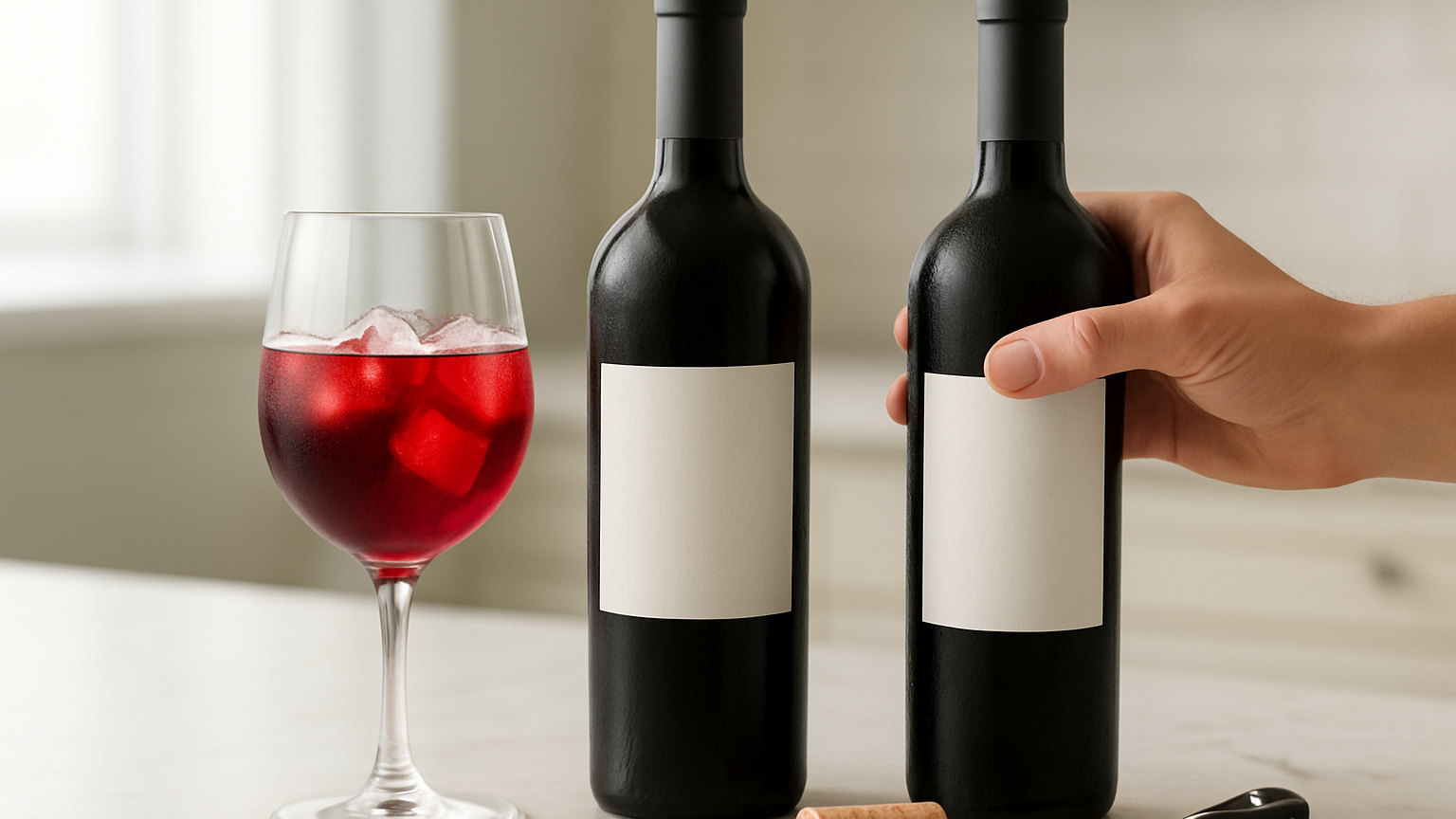
The uncomfortable evidence comes from blind tastings, where own-label and grower champagnes regularly place above famous names. That does not prove the expensive bottles are poor. It suggests that the correlation between price and perceived quality weakens considerably once the labels are hidden.
Who actually makes supermarket champagne
Own-label bottles are made by established houses and cooperatives under contract, often to a specification set by the retailer. The wine is real champagne made by the same method under the same rules, typically using fruit from less prestigious villages and the legal minimum lees ageing.
Quality varies, and the better supermarket champagnes are genuinely good wines that happen to carry no marketing cost. They are among the more sensible purchases in the category if you want champagne for a crowd.
Where the value sits
Three areas repay attention. Grower champagne, made by the people who farm the vines, offers estate-grown fruit and individual character at prices well below the large houses, because there is no advertising budget to recover.
Own-label bottles from retailers with serious buying teams deliver competent champagne at the bottom of the range. And within the big houses, the standard non-vintage is usually better value than the prestige cuvée, since it is the wine the house is judged on and the one it cannot afford to get wrong.
Outside Champagne entirely, crémant, quality cava and English sparkling wine all use the same method and deliver a great deal of what champagne offers.
The one purchase difficult to justify on wine terms alone is a mid-priced champagne from a famous house at a discount that seems too good, since heavy discounting of a premium bottle usually indicates that the shelf price was inflated to make the discount possible.
None of this argues against buying an expensive bottle when the occasion calls for one. A famous name carries meaning at a celebration that a grower's label does not, and there is nothing irrational about paying for that. The useful thing is simply to know which part of the price is buying wine and which is buying the moment, and to spend accordingly rather than assuming the two are the same.