
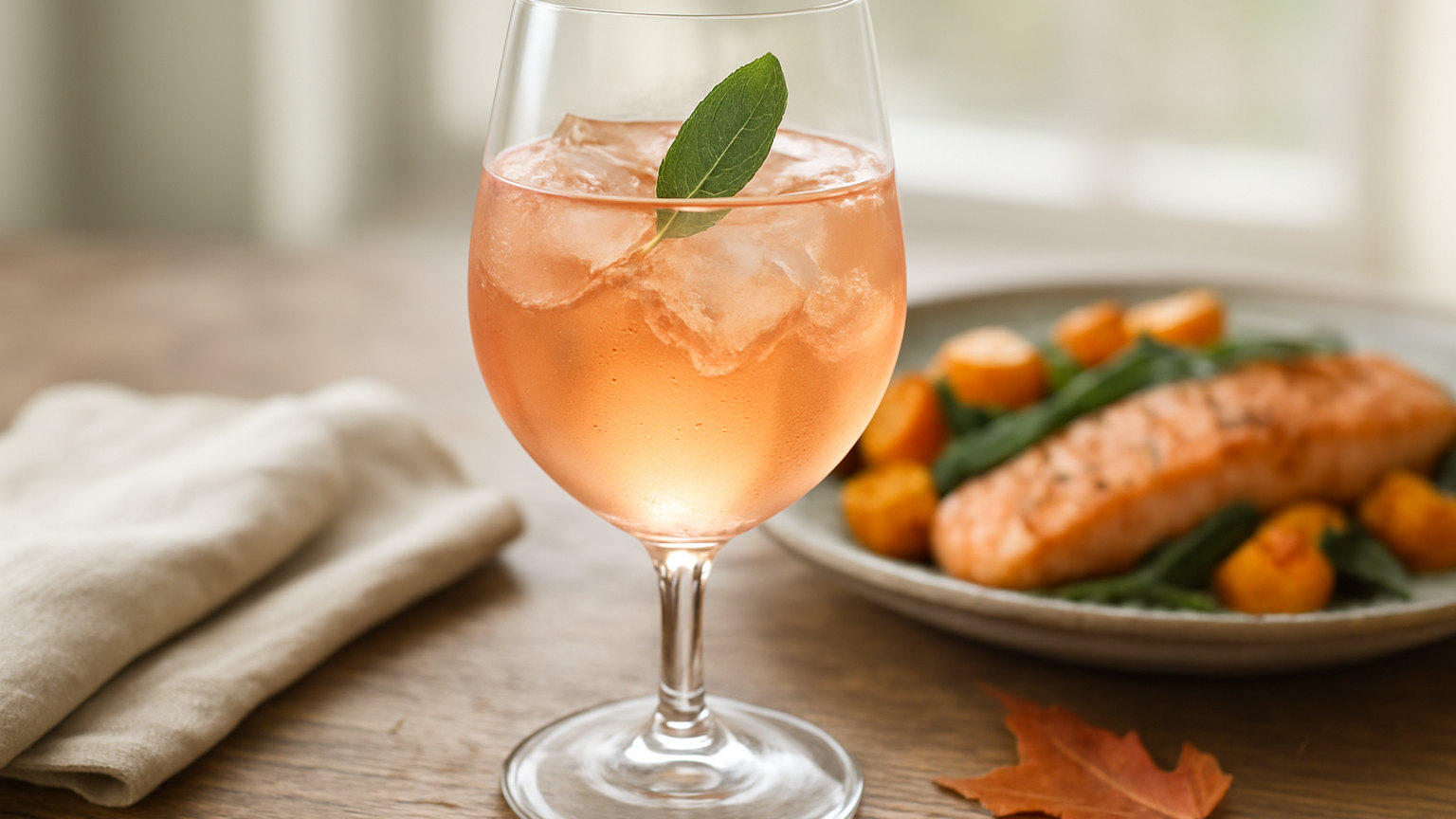
Few wines have a seasonal profile as pronounced as rosé. Sales climb sharply in late spring, peak through the summer and fall away almost entirely once the weather turns, and the pattern is consistent enough that supermarkets reduce shelf space accordingly.
Some of that makes sense. A cold, light, refreshing wine is more appealing in July than in November, and the same is true of lager and iced coffee. But the association has hardened into a rule, and it excludes a good deal of rosé that would be perfectly at home at a winter table.
Where the association came from
The dominant style drives the perception. Pale Provence rosé is deliberately light, low in tannin, high in acidity and designed to be drunk cold. It is an aperitif wine, and aperitif wines belong to warm evenings.
Marketing reinforced it heavily. The imagery attached to rosé over the last two decades has been almost entirely Mediterranean, coastal and sunlit, which has been commercially effective and has narrowed the category in people's minds to a single occasion.
The result is a self-fulfilling pattern: producers make wine for summer because that is when it sells, and it sells in summer because that is what is made.
The rosés built for colder weather
Several styles have the weight and structure to work through the winter, and they are among the more interesting wines in the category.
Tavel, from the southern Rhône, is deep in colour, full in body and made by longer maceration than most rosé. It has enough substance for roast chicken, charcuterie or a rich stew, and it is one of the few pink wines that gains rather than loses from being served slightly less cold.
Bandol rosé, based on mourvèdre, is structured and savoury with real length, and it accompanies a proper meal comfortably. Spanish rosado from garnacha in Navarra or Rioja has more fruit weight than the French pale style, and Italian rosato from the south is similar.
Rosé that has seen some oak, or been aged on its lees, gains texture that makes it a genuine alternative to a white wine at a winter table.
Autumn and winter food that suits it
The dishes that flatter fuller rosé are not summer dishes at all. Roast pork, sausages, charcuterie boards, mushroom dishes, pumpkin and squash, and anything with paprika or smoked spices all work well.
Rosé also handles the awkward food of the festive season better than most wine. It manages turkey and its accompanying sweetness, works with ham and with cold cuts, and copes with the mixture of flavours on a plate where a structured red would clash with half of them.
Its versatility comes from having some of the fruit of a red and much of the acidity of a white without the tannin that causes most pairing failures, which is precisely the combination that suits a table where several dishes are competing.
How to drink it out of season
Serve it warmer than you would in July. Around ten to twelve degrees rather than eight lets a fuller rosé show its texture, and an over-chilled glass in a cold room is unappealing regardless of the wine.
Choose deeper coloured wines with thirteen per cent alcohol or more, since the pale, delicate styles genuinely do work less well without sunshine. And buy from regions that make rosé seriously rather than as a sideline, since those are the wines with the structure to hold up.
There is one practical argument for the seasonal habit worth acknowledging. Rosé does not age, and the freshest bottles arrive in spring following the previous autumn's harvest. A rosé bought in March may be six months older than one bought in May, which is a real consideration in a category where vintage matters more than in almost any other.
Buying the current vintage and drinking it whenever suits you is the sensible compromise. The wine has no opinion about the month.


