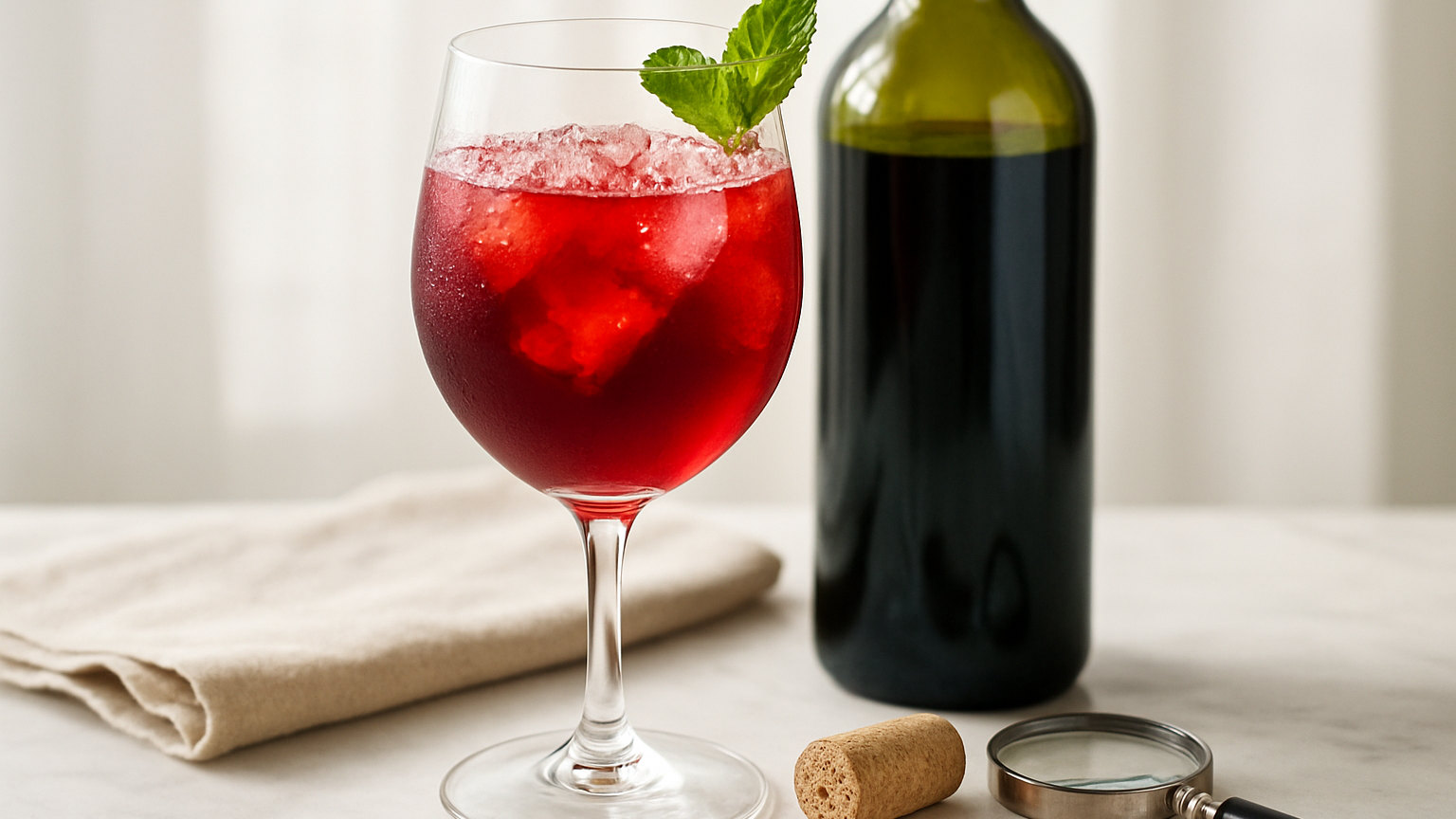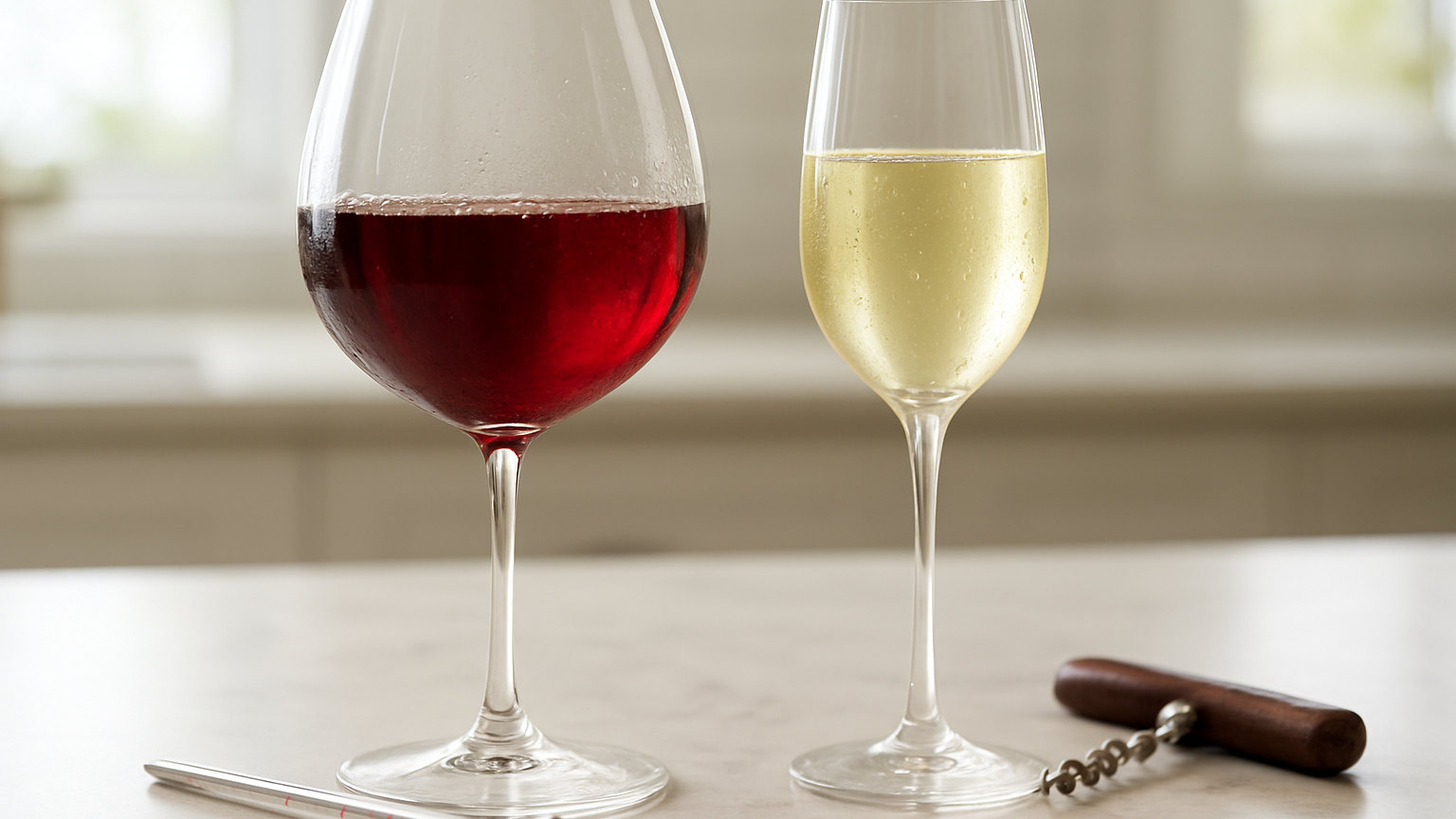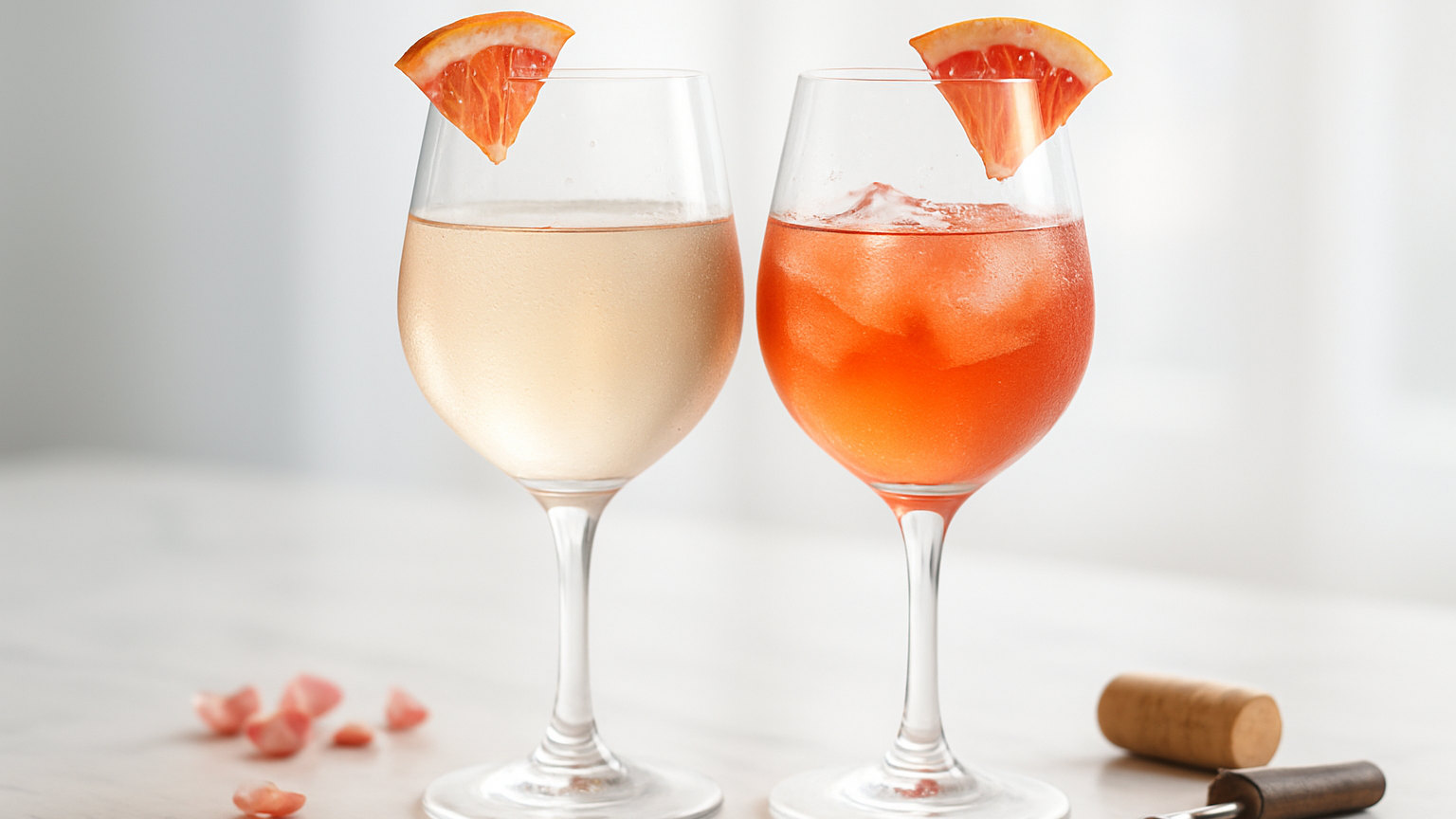
Over the past two decades a strong assumption has taken hold: pale rosé is sophisticated and dry, deeper pink rosé is cheap and sweet. It has been reinforced by marketing, by bottle design and by the enormous commercial success of very pale wines from the south of France.
The colour does carry information, but not the information people think it does. It says something about how the wine was made and which grapes went into it, and essentially nothing about sweetness.
What the shade actually reflects
Colour comes from time spent in contact with the grape skins. A wine pressed immediately picks up very little pigment and emerges pale. One macerated for several hours picks up considerably more. One made by bleeding juice from a red fermentation is usually deeper still.
Grape variety matters as much. Grenache and cinsault are relatively low in pigment and give pale wines easily. Syrah, mourvèdre, tempranillo and cabernet sauvignon are far darker and produce deeper rosé even with brief contact. A pale rosé made from syrah has been handled very carefully; a deep one has not necessarily been handled carelessly.
Climate contributes too, since riper fruit in warmer regions develops more pigment. None of these factors has any relationship to how much sugar is left in the finished wine.
Where the association came from
The colour-equals-quality assumption is largely a consequence of two things happening at once. Provence became the fashionable source of rosé, and Provence makes pale wines by direct press as a matter of regional style. Meanwhile the sweet blush wines that dominated the American market in the 1980s and 1990s were pink and sweet, and the two characteristics became linked in people's minds.
The result is a market where paleness sells, and producers elsewhere have responded by lightening their wines. Spanish rosado, traditionally deep and full-flavoured, is increasingly made pale for export, and something is lost when a region abandons its own style to chase a colour.
How to judge sweetness instead
Three indicators are far more reliable than colour. Alcohol level is the first: sugar becomes alcohol during fermentation, so a rosé at twelve or thirteen per cent has usually fermented dry, while one at ten or eleven likely retains sugar.
Origin is the second. Provence, most of Spain, Italy and the southern Rhône make dry rosé almost universally. Rosé d'Anjou from the Loire is off-dry by tradition, Cabernet d'Anjou sweeter still, and American white zinfandel is sweet by design.
The back label is the third, since producers who make dry wine generally say so and those making sweeter styles increasingly use words like fruity or medium.
When colour does tell you something useful
Age is the one case where the shade is genuinely diagnostic. Rosé is made to be drunk young, and as it ages the bright pink fades towards salmon, then orange, then a dull brownish tone as the pigments oxidise.
A rosé that looks orange or brown in the bottle has almost certainly been sitting too long or has been stored in light, and it will taste tired. This is worth checking on a shelf, particularly with clear glass bottles, which the category favours for display reasons at the cost of protecting the wine.
Vintage matters more here than in almost any other category. A rosé two or three years past its harvest is past its best, and buying the most recent vintage available is the simplest quality control available to anyone standing in a shop.
Beyond that, treat colour as a hint about weight rather than about quality. Paler generally means lighter and more delicate; deeper generally means fuller and more fruit-driven. Which you want depends on whether the wine is for an afternoon in the sun or for a plate of grilled lamb, and both are legitimate things for a rosé to be.
The regions that resisted the pale fashion are worth remembering for exactly this reason. Tavel in the southern Rhône and Cerasuolo d'Abruzzo in Italy both produce deeply coloured wine by regulation rather than by accident, and in the Italian case the rules actually require a depth of colour that would be considered unfashionable elsewhere. Neither is a lesser wine for it.