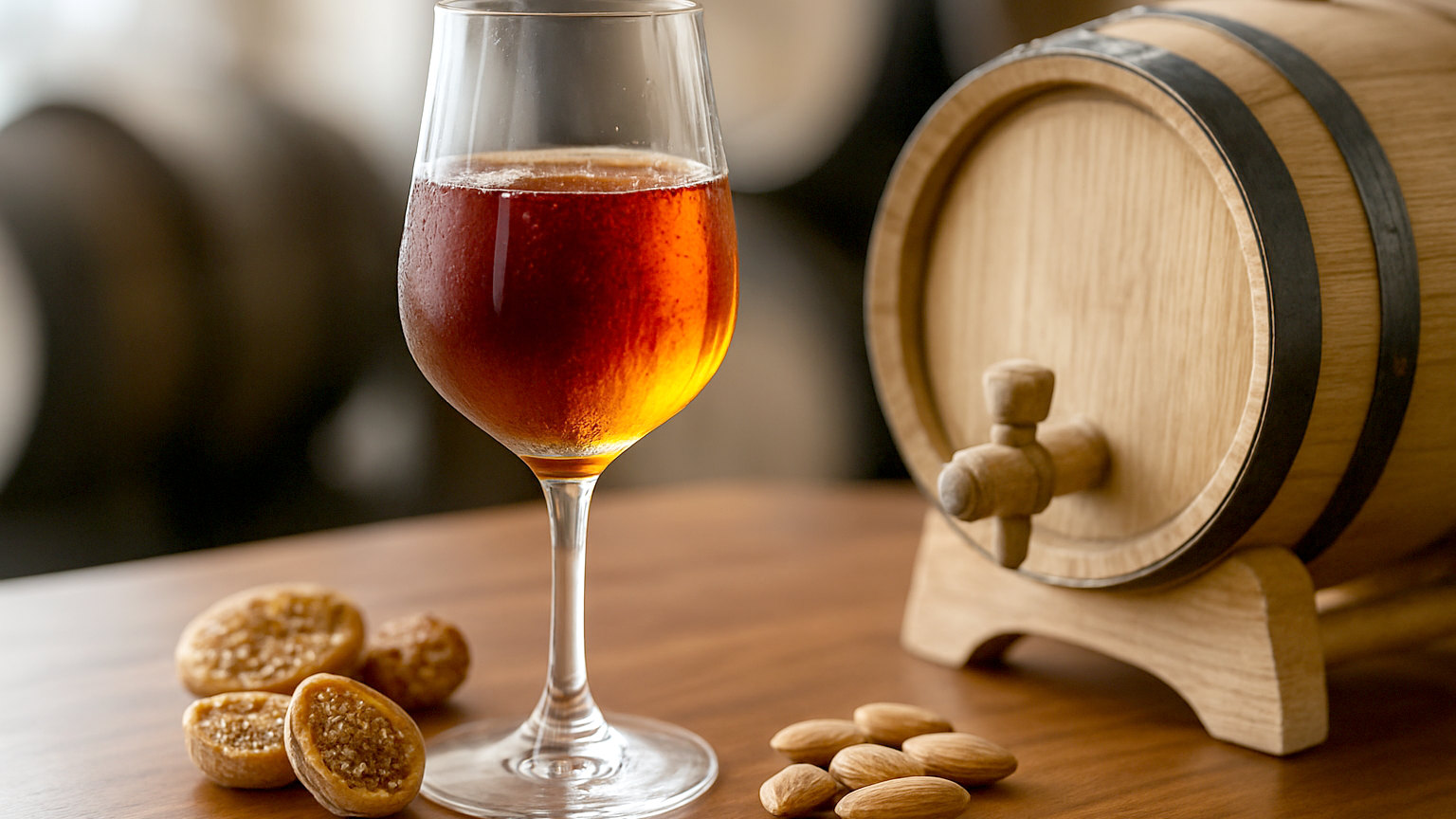
There is no other category in wine where the gap between quality and price is as wide as it is in sherry. A VORS oloroso, indicating an average age of thirty years, sits on shelves at prices that would buy a middling bottle of claret. A fino aged four or five years through a solera costs less than a supermarket sauvignon blanc.
This is not because the wines are cheap to make. Solera ageing ties up enormous quantities of stock for decades, requires vast bodegas, and involves labour and capital that most wine regions never contemplate. The explanation is on the demand side.
What happened to the market
Britain was for centuries the dominant export market, and what sold in volume was cream sherry: sweetened, inexpensive, heavily advertised and drunk in enormous quantities. When British drinking habits changed from the 1970s onwards, that market fell away sharply and nothing replaced it.
The consequences were severe. Vineyard area in the Jerez region contracted substantially, bodegas closed or consolidated, and the wine acquired an association with a previous generation that has proved remarkably durable.
Prices did not rise to reflect scarcity because demand fell faster than supply. The wines being sold today are frequently drawn from soleras established decades ago, when the industry was far larger, which means there is genuinely old stock in circulation with no market willing to pay for it.
Where the value is concentrated
The aged designations offer the clearest example. VOS indicates an average age of twenty years, VORS thirty, and both are certified after analysis. Wines carrying them are complex, concentrated and long, and they are sold for a fraction of what any other thirty year old wine would command.
Almacenista bottlings, from small independent stockholders whose wine is normally sold on to larger houses, are another source of unusual quality at modest prices.
At the other end, fino and manzanilla offer complexity at prices that make them viable as everyday drinking, and en rama bottlings, filtered minimally and released in small batches, are among the most interesting white wines available anywhere for around fifteen pounds.
Why the market has not corrected
Partly because reputation moves slowly. Sherry's image problem in Britain is generational, and the people who might change it are not the ones who formed it.
Partly because the wines are difficult to sell in a shop. They require explanation, they do not fit the mental categories of red, white or sparkling, and a retailer with limited shelf space will stock what moves. Fino also needs to be sold fresh and kept cold, which is a genuine logistical demand that most shops are not set up to meet.
There are signs of change. Sherry appears on serious restaurant lists more than it did, bartenders use it in cocktails, and specialist importers have grown. Prices at the top have begun to rise as a result.
How to take advantage
Buy the aged designations while they remain underpriced. A VORS amontillado or palo cortado is a genuinely fine wine at a price that is difficult to justify economically for the producer.
Buy fino from a merchant with turnover and check for a bottling date. Buy oloroso for winter drinking, since it keeps for weeks and suits the food of the season.
And be aware that the value argument depends on the current market rather than on anything permanent. Categories that are undervalued because of image rather than quality tend to correct eventually, and when sherry does, the bottles that presently look absurdly cheap will simply look normally priced.
The same logic elsewhere
Sherry is the clearest case but not the only one. Madeira, marsala and the French vins doux naturels all sell for less than their production costs would suggest, and for the same underlying reason: they were built for markets that no longer exist at the size they once did.
Anyone looking for quality per pound rather than for a familiar name should be working through this whole corner of the shop. The wines require a little explanation and no fashionable label supports them, which is precisely why the prices are what they are.