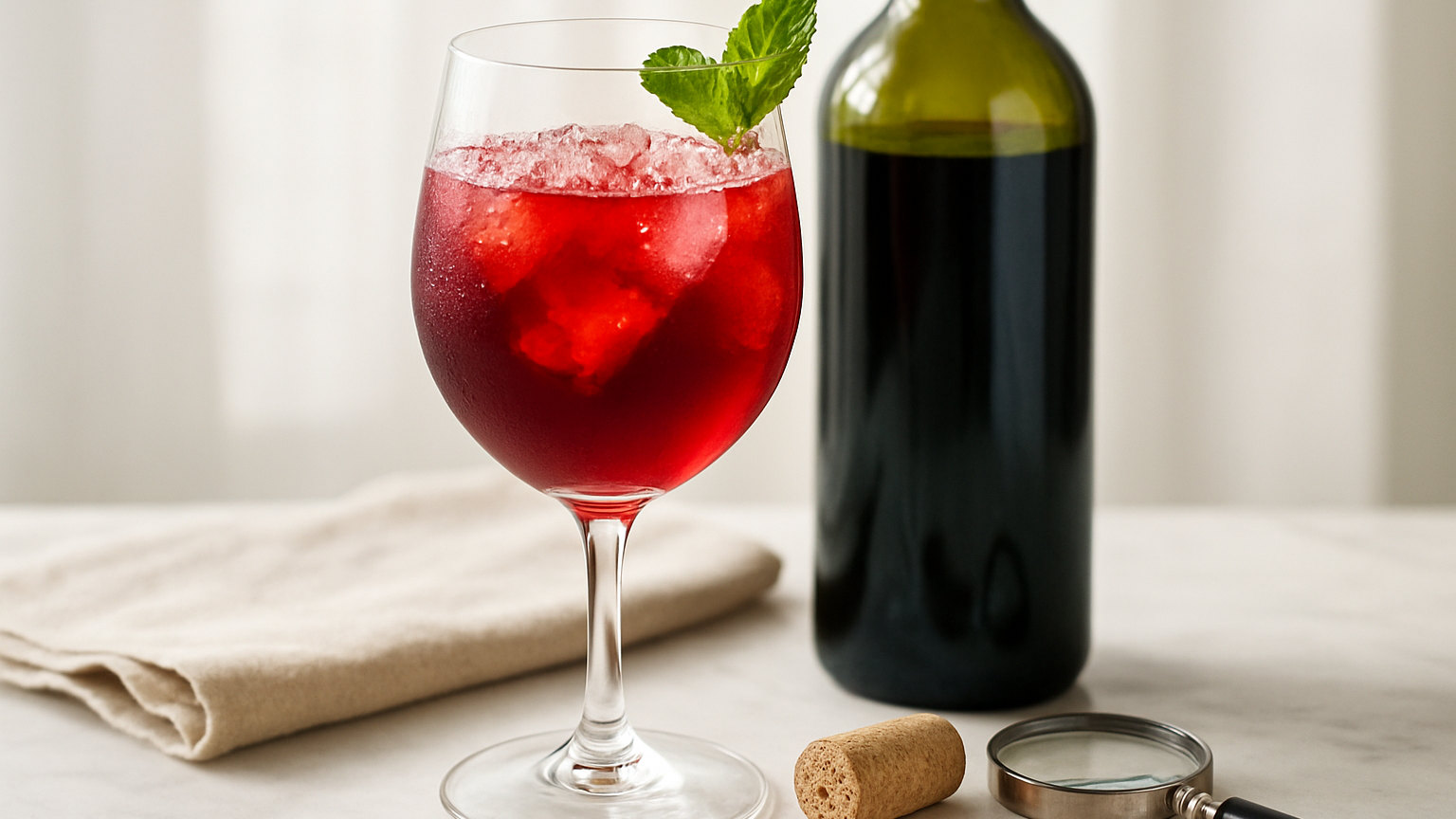
France makes fortified wine and almost nobody outside France drinks it. Vin doux naturel, usually shortened to VDN, is produced principally in the Roussillon in the far south and in the southern Rhône, and it is among the least known and best value fortified wine in Europe.
The name is slightly misleading. Naturally sweet wine suggests no intervention, when in fact the sweetness is preserved by adding spirit, which is anything but natural. The term refers to the sugar being the grape's own rather than added.
How it is made
The process is mutage, which means muting. Neutral grape spirit at around ninety six per cent is added partway through fermentation, killing the yeast and leaving the remaining grape sugar in the wine. The finished wines sit at around fifteen to eighteen per cent alcohol with substantial residual sweetness.
It is the same principle as port, and the results are related, though the grapes and the ageing traditions differ.
Two ageing paths exist. Some wines are protected from air and bottled young, keeping their fruit and colour. Others are deliberately exposed, sometimes in glass demijohns left outside in the sun for a year, developing the nutty, oxidative character the French call rancio.
The main appellations
Banyuls comes from steep terraced vineyards on the Mediterranean coast at the Spanish border, made mainly from grenache noir. It ranges from young, fruity styles to long-aged rancio versions, and Banyuls Grand Cru requires extended cask ageing. It is the wine most likely to convert someone to the category.
Maury, inland from Banyuls, works with the same grape in a slightly different register, often darker and more structured. Rivesaltes covers a larger area and produces both red styles from grenache and paler ones from white varieties, with the ambré and tuilé designations indicating oxidative ageing.
Muscat is the other family. Muscat de Beaumes-de-Venise in the southern Rhône, Muscat de Rivesaltes, Muscat de Frontignan and others are made from muscat grapes, bottled young to preserve their intensely grapey, floral character, and served cold.
What they taste like
The grenache-based reds give kirsch, dried fig, cocoa, coffee and orange peel, with the older rancio styles adding walnut, caramel and a distinctly savoury depth. They sit somewhere between a ruby port and an aged tawny in character while remaining recognisably French.
The muscats are entirely different: pale gold, floral, tasting overtly of fresh grapes with orange blossom and honey, and best drunk young and cold.
The pairing worth knowing
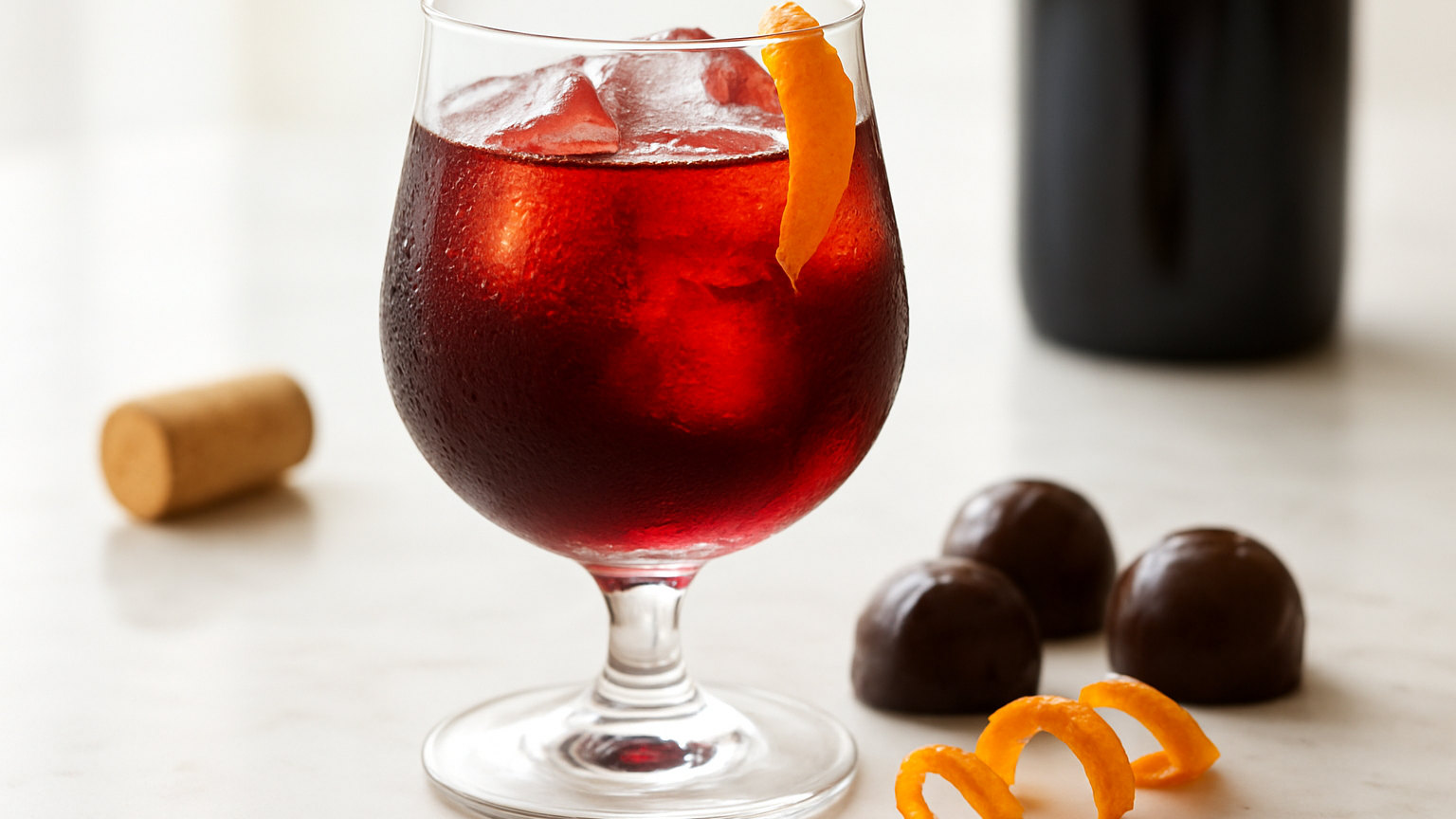
Banyuls with dark chocolate is one of the great food and wine matches and the strongest argument for the category. Chocolate defeats almost all wine, since its bitterness and fat clash with tannin and its sweetness makes dry wine taste sour. A young Banyuls has the sweetness to meet it, the cocoa and dried fruit character to echo it, and no tannin to fight.
Beyond that, the oxidative styles work with hard cheese, dried fruit and nuts, and older rancio versions are excellent with blue cheese or simply on their own after a meal. Muscat suits fruit tarts, apricot desserts and, unexpectedly, blue cheese and foie gras.
Practicalities
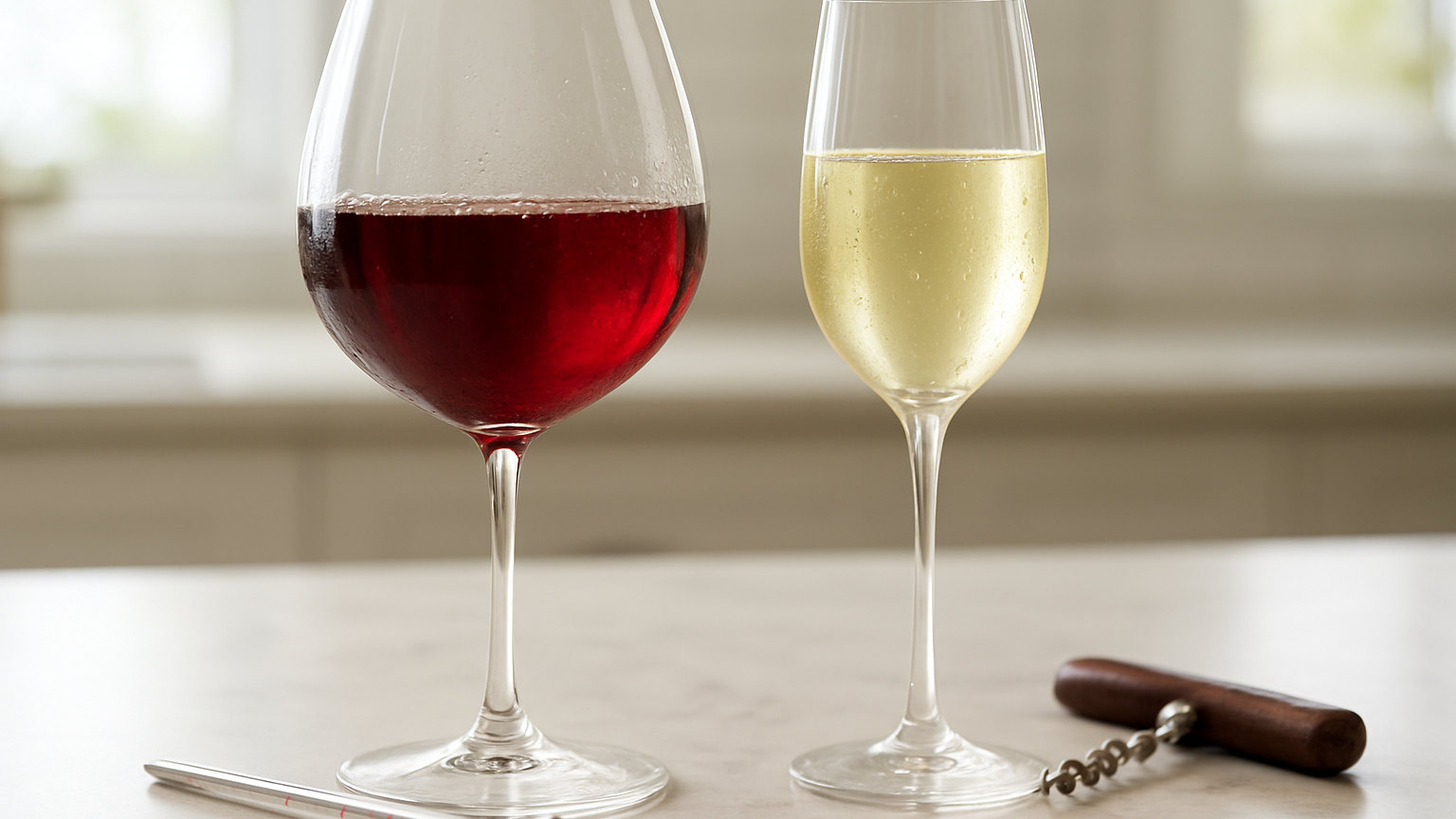
Serve the reds at around fourteen to sixteen degrees and the muscats properly cold at eight to ten. Both keep well once opened, particularly the oxidatively aged ones, which will last a month or more.
Prices are low relative to quality for the same reason sherry's are: the wines are unfashionable and unfamiliar. A serious Banyuls Grand Cru with a decade of cask age costs a fraction of an equivalent port, which makes the category one of the more rewarding places to look for anyone who has exhausted the obvious options.
Reading the labels
Two words are worth recognising. Rimage on a Banyuls indicates a wine bottled young to preserve its fruit, in the manner of a vintage port. Traditionnel or the ambré and tuilé designations indicate extended oxidative ageing and a nuttier, more savoury style.
Hors d'âge indicates a wine aged well beyond the minimum, usually five years or more, and rancio on a label or in a tasting note describes the deliberately oxidised character rather than a fault. All four are useful signals in a category where the appellation names alone tell you very little.