
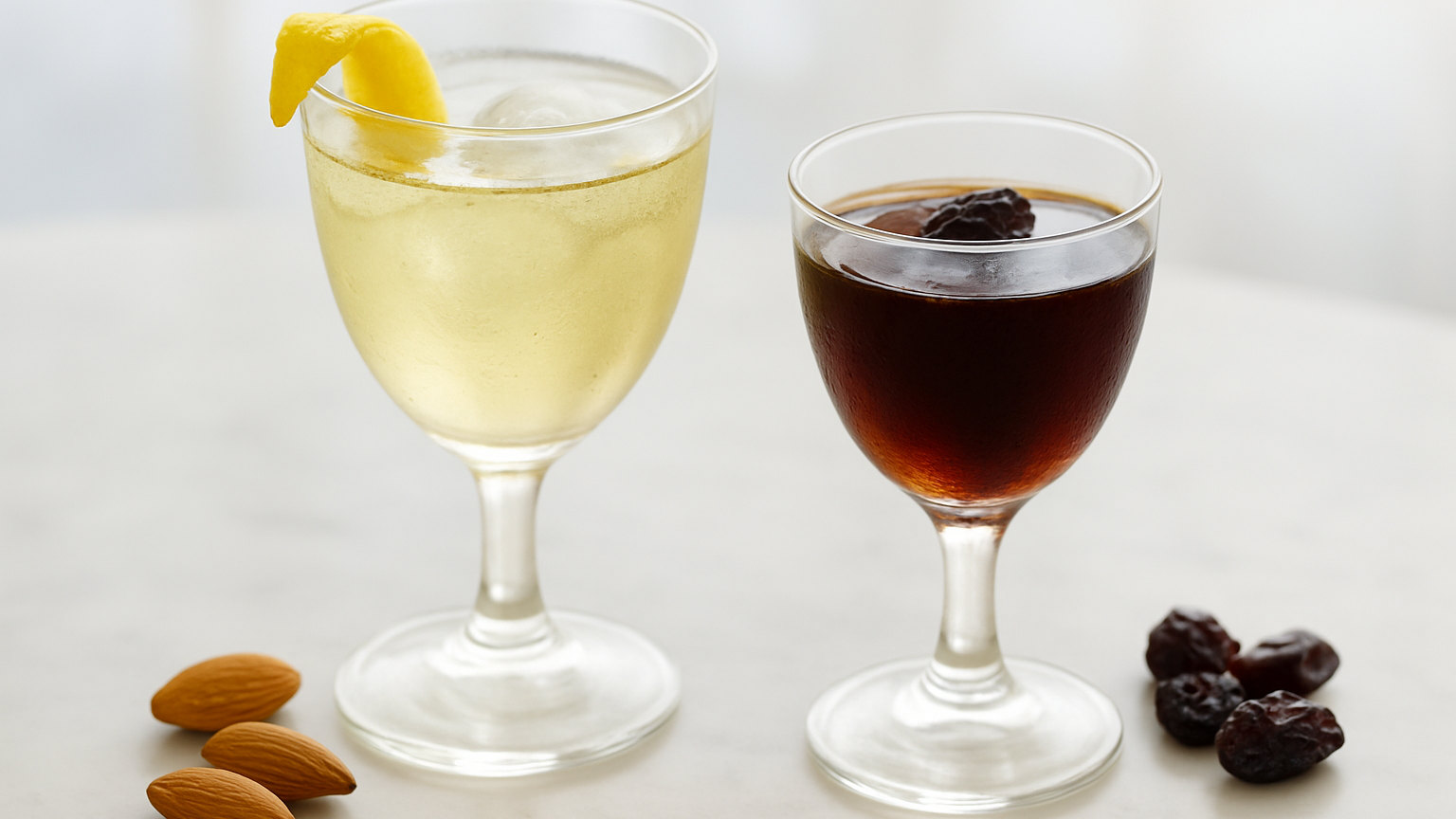
The belief that sherry is sweet is the most persistent misconception in the wine trade, and it exists because the style that sold in enormous volumes in Britain for most of the twentieth century happened to be a sweetened one.
The reality is that fino, manzanilla, amontillado, oloroso and palo cortado, which together constitute the serious part of the category, are all fermented completely dry. Any sweetness in a bottle has been added deliberately afterwards and will be indicated on the label.
Why the dry wines are dry
Sherry is fortified after fermentation has finished, not during it. By that point the yeast has converted all the available sugar into alcohol, so there is nothing left to preserve.
This is the opposite of port, where spirit is added partway through fermentation specifically to leave sugar behind. The two categories are made in reverse of each other, which is why one is sweet by default and the other dry.
An oloroso can smell so intensely of dried fruit, fig and caramel that the brain expects sugar, and the shock of a dry finish is one of the standard experiences of learning about the category.
The genuinely sweet styles
Two wines are sweet by nature rather than by addition. Pedro Ximénez, almost always shortened to PX, is made from grapes laid out in the sun to dry before pressing, concentrating the sugars to the point where fermentation barely proceeds. The result is nearly black, viscous enough to coat a glass, and tastes of raisin, molasses, fig and coffee. It contains an enormous quantity of sugar and is essentially a dessert in liquid form.
Moscatel is made the same way from muscat grapes and is lighter, more floral and less overwhelming.
The blended sweet styles
The rest of the sweet category is made by blending. A dry base wine, usually oloroso, has PX or concentrated grape must added to it, and the amount determines the label.
Cream sherry is the best known, a sweetened oloroso created specifically for the British market and named for its texture rather than any dairy content. Pale cream is the same idea using a fino base, which produces a paler wine that is nonetheless sweet. Medium sits between dry and cream.
These are legitimate styles and the better examples are perfectly enjoyable, particularly chilled or over ice. The problem was never that they existed but that they came to define the category in the public mind, which left the dry wines unsold and unregarded for decades.
Reading the label
The system is more precise than most wine labelling. Terms indicating dryness are fino, manzanilla, amontillado, oloroso and palo cortado, though it is worth noting that an oloroso can occasionally be sweetened, in which case the label will say so.
Terms indicating sweetness are cream, pale cream, medium, Pedro Ximénez and moscatel. Some producers state the sugar content in grams per litre on the back label, and where they do it removes all ambiguity.
Colour is no guide at all. A dry oloroso is dark brown and a pale cream is light, and both contradict the intuitive reading.
What to do with the sweet ones
PX has one outstanding use, which is poured over vanilla ice cream. It also works with rich chocolate desserts, blue cheese and Christmas pudding, and a small glass alongside coffee is a reasonable end to a meal.
Use it sparingly. The sugar concentration is such that a small measure goes a long way, and a full glass is heavy going. A bottle will also keep for months once opened, since it has been oxidatively aged and its sugar acts as a preservative.
Why the confusion persists
Partly because the sweet styles were the ones exported in volume, and partly because the dry ones smell misleading. An oloroso is so redolent of dried fruit and caramel that a first-time taster braces for sweetness and is genuinely surprised when the finish arrives clean and savoury.
There is also a linguistic problem. Dry in wine means without sugar, not without richness, and a wine can be simultaneously dry and mouth-filling. Sherry demonstrates that more clearly than almost anything else, which is a good reason to use it when explaining the distinction to anyone.


