
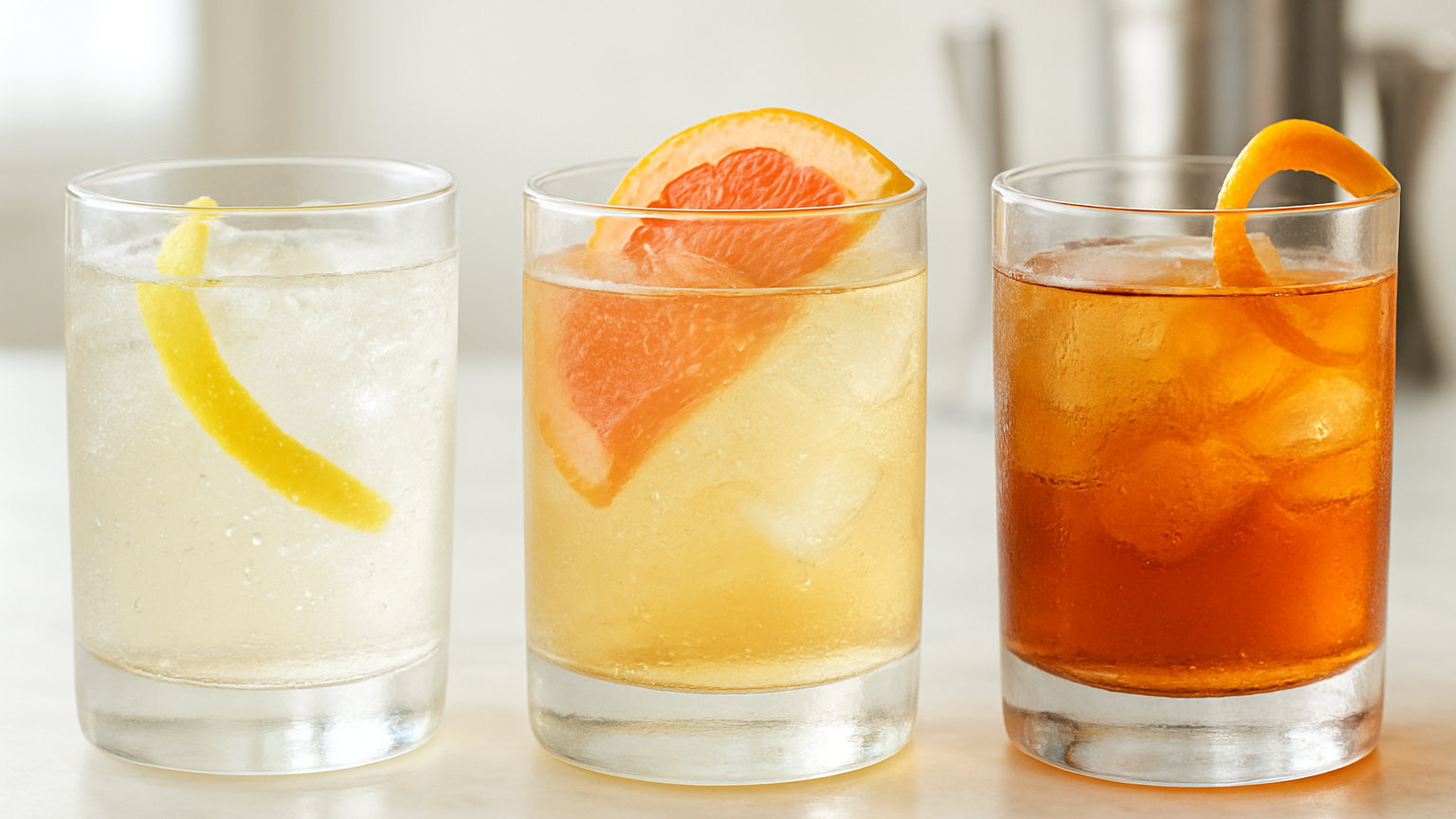
The low and no alcohol category has grown enormously, and the terminology is defined rather than descriptive. Knowing what the definitions are matters for anyone avoiding alcohol for reasons where a trace is not acceptable.
The thresholds
United Kingdom labelling rules define several terms by strength.
Alcohol-free has historically meant no more than 0.05 per cent.
De-alcoholised means the alcohol has been removed from a product that originally contained it, taking it below a specified threshold.
Low alcohol means no more than 1.2 per cent.
Products at 0.5 per cent and below are widely sold and are frequently described in marketing as alcohol-free, which does not always match the strict definitions.
The rules have been under review, and current definitions should be checked with an official source rather than assumed from any article, since they have changed and may change again.
Why it matters
For most people it does not.
A drink at 0.5 per cent contains a very small amount of alcohol, and everyday foods including ripe fruit, bread and fruit juice contain comparable or higher traces.
For some people it matters a great deal.
Anyone in recovery from alcohol dependence may have been advised to avoid anything containing alcohol, and for them the distinction is significant rather than pedantic.
Anyone avoiding alcohol on religious grounds may have specific requirements about thresholds.
Anyone taking medication that interacts with alcohol should ask a pharmacist rather than assume a trace is irrelevant.
Anyone who is pregnant may prefer to avoid it entirely, and the current advice is that the safest approach in pregnancy is not to drink alcohol at all.
How the products are made
Two broad approaches.
Removal, where a normal product is brewed or fermented and the alcohol is then taken out, generally by vacuum distillation or by filtration through a membrane. This preserves more of the original character and is the more expensive route.
Restricted fermentation, where the process is stopped or controlled so that little alcohol is produced in the first place. This is cheaper and generally produces a thinner result.
Non-alcoholic spirits are a different case again, being flavoured waters produced by distillation or infusion rather than by removing alcohol from anything.
What has improved
Beer, substantially. Non-alcoholic lager and increasingly pale ale and stout are now made by producers who take them seriously, and the results are genuinely good rather than tolerable.
Sparkling and still wine alternatives remain harder, since wine's structure depends heavily on alcohol and removing it leaves a gap that is difficult to fill.
Non-alcoholic spirits vary enormously and are expensive for what they are, since they carry no duty and are priced as though they do.
Sugar
Worth checking, since some products in the category compensate for the missing alcohol with sweetness.
Labels state the sugar content, and comparing two products in the same category can be revealing.
Anyone managing their sugar intake for medical reasons should read the label rather than assume a non-alcoholic drink is the lighter option, and dietary questions of that kind belong with a doctor or dietitian.
The hidden sources
A non-alcoholic cocktail can contain alcohol from ingredients that are not obvious.
Traditional cocktail bitters are bottled at spirit strength. Vanilla extract contains alcohol. Cocktail cherries are frequently preserved in liqueur. A tincture used as an aromatic spray is high-strength spirit.
The quantities are small and they are not zero.
Alcohol-free bitters using a glycerine base are widely available and solve it entirely.
The practical point
Say what is in a drink when you serve it, without making it a conversation.
Someone avoiding alcohol knows their own reasons and their own thresholds, and giving them the information lets them decide rather than deciding for them.
The price question
Non-alcoholic products often cost as much as their alcoholic equivalents despite carrying no duty, which is a common complaint and a fair one.
Production costs for de-alcoholised products are genuinely higher, and the category also prices to what the market will bear.


