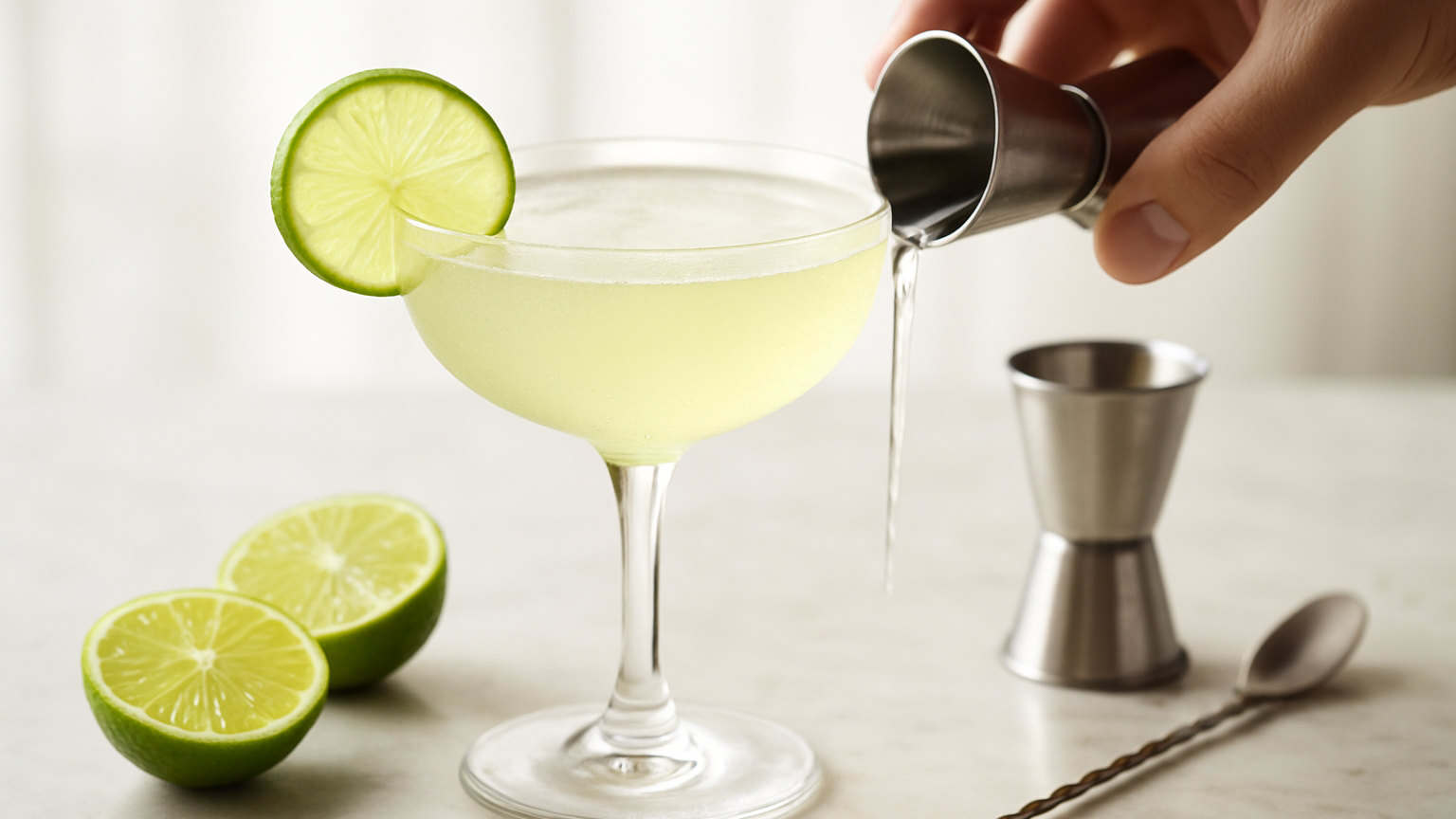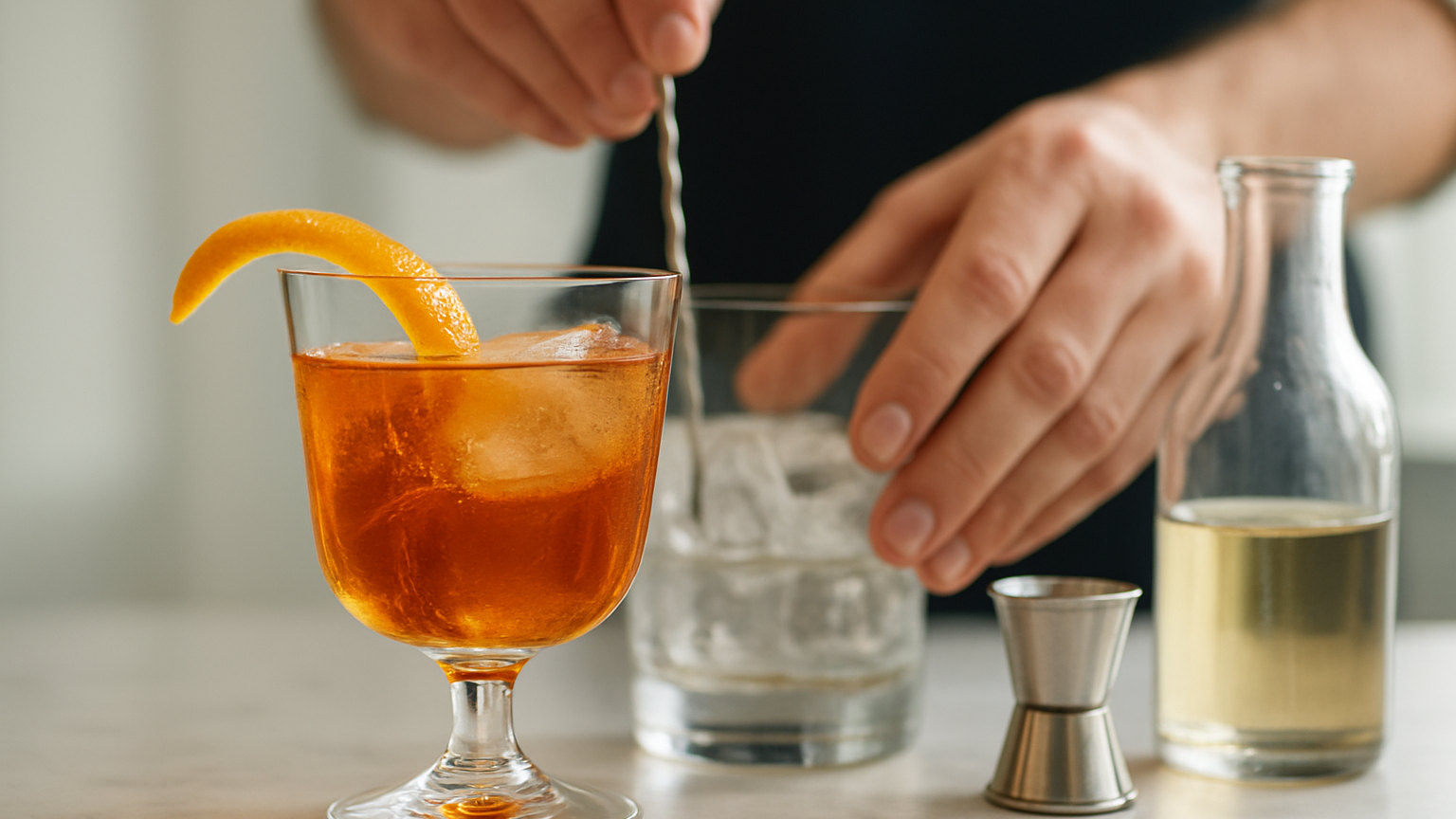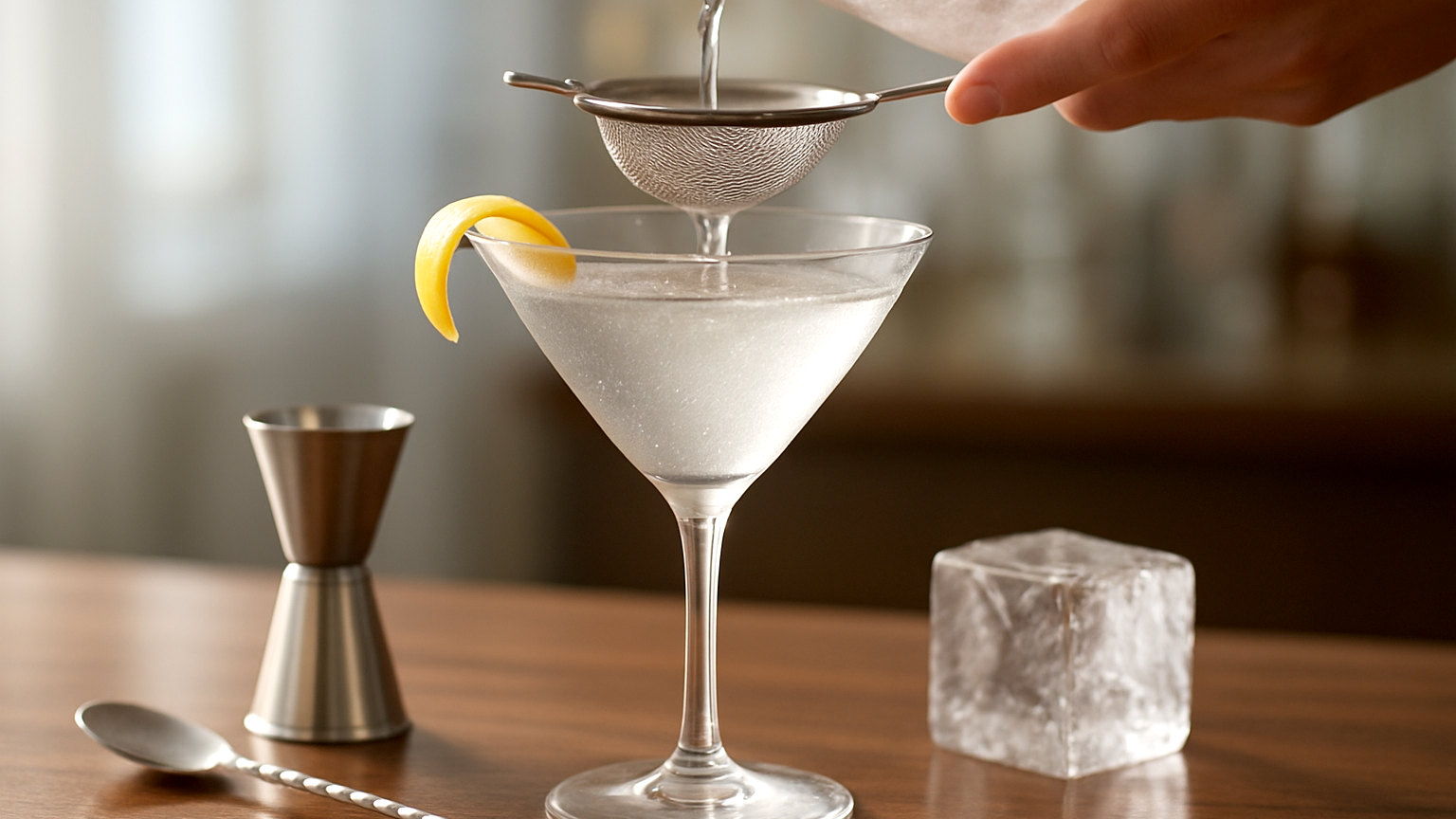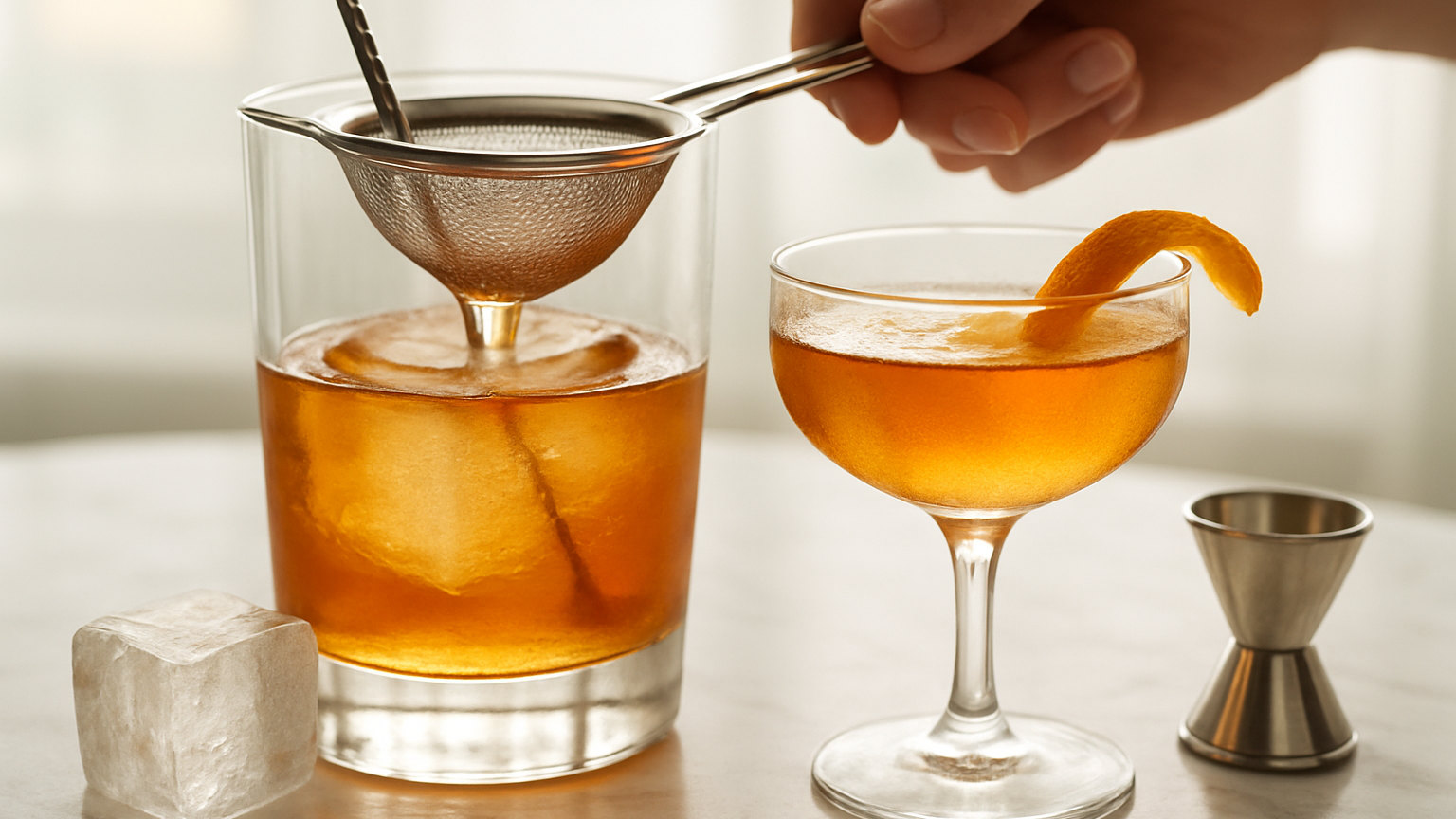
A martini made from 80 millilitres of ingredients arrives in the glass at around 100 millilitres. The strength has fallen from roughly thirty five per cent to roughly twenty eight. The alcohol content has not changed at all.
The distinction
Percentage is a ratio: alcohol as a proportion of total volume.
Adding water increases the total volume and leaves the alcohol where it was, so the ratio falls.
Units measure the absolute quantity of alcohol, which dilution does not affect.
Both figures are useful and they answer different questions. The percentage tells you how the drink will taste and how quickly it will be absorbed. The units tell you how much you have drunk.
The typical figures
A stirred drink gains roughly twenty to twenty five per cent of its volume in water.
A shaken drink gains rather more, typically twenty five to thirty, since the agitation increases contact with the ice.
A drink built over ice in the glass dilutes continuously rather than to a fixed point, and may end up considerably more diluted by the time it is finished.
A highball is diluted by the mixer as well, which is why it ends up at around five to eight per cent in the glass.
Calculating the final strength
Straightforward if you want to.
Work out the alcohol content of the ingredients, add the dilution to the total volume, and divide.
A negroni of 30 millilitres each of gin at forty, aperitivo at twenty five and vermouth at sixteen contains 24.3 millilitres of alcohol in 90 of liquid, which is twenty seven per cent.
Diluted by twenty five per cent to 112 millilitres, it arrives at around twenty two per cent.
The units, at around two and a half, are the same either way.
Why the percentage matters
Taste, principally.
An under-diluted drink is harsh and closed, with the alcohol prominent and the aromatics not yet released.
Dilution softens it, which is why a martini made without any is an unfinished drink rather than a stronger one.
It also affects the pace at which a drink is consumed, since a very strong drink is sipped and a longer one is not.
Why the units matter
Because that is what accumulates.
A long drink and a short one containing the same measure of spirit contain the same alcohol, however different they feel.
A gin and tonic that takes half an hour and a martini that takes fifteen minutes may contain one unit and three respectively, which is a real difference in a way the dilution is not.
Where lower strength genuinely helps
Choosing a drink built on less alcohol rather than a more diluted version of the same alcohol.
An americano contains a measure of aperitivo and a measure of vermouth topped with soda, at around one unit. A negroni replaces the soda with gin, at two and a half.
Both are long or short by choice, and only one of them is actually weaker.
Similarly a spritz, a highball, a shandy and a sherry cobbler all contain less alcohol rather than the same alcohol in more liquid.
Batching
The practical place this arithmetic earns its keep.
A batched cocktail has no ice contact during preparation, so the water must be added deliberately: twenty to twenty five per cent for a stirred drink, twenty five to thirty for a shaken one.
The units per serving should be calculated from the ingredients and written on the label, since a bottle in a fridge gives no indication of strength.
Pouring a measured serving rather than filling a glass is what makes the figure meaningful.
The summary
Dilution changes the drink and does not change the drinking.
Adding water makes a cocktail taste better and does not make it a smaller amount of alcohol, and anyone counting should count the spirit that went in rather than the size of the glass it came out in.
The absorption point
One qualification worth adding.
A more dilute drink is absorbed somewhat more slowly than a concentrated one, so the same alcohol taken over a longer period produces a lower peak.
That affects how a drink feels rather than how much has been consumed, and it is not a reason to treat a long drink as though it contained less.