Every drink can be converted to units with one calculation, which is more useful than memorising a table, since drinks vary and tables assume standard sizes that are frequently not what is in front of you.
The formula
Volume in millilitres, multiplied by the strength as a percentage, divided by one thousand.
That gives units.
The reason it works is that a unit is ten millilitres of pure alcohol, so multiplying volume by percentage gives the alcohol content in millilitres times a hundred, and dividing by a thousand converts it.
Worked examples
A 175 millilitre glass of wine at thirteen per cent: 175 times 13 divided by 1000, which is 2.275, so around two and a quarter units.
A pint of beer at five per cent: a pint is 568 millilitres, so 568 times 5 divided by 1000, which is 2.84.
A 25 millilitre spirit measure at forty per cent: 25 times 40 divided by 1000, which is exactly one.
A 750 millilitre bottle of wine at 13.5 per cent: 750 times 13.5 divided by 1000, which is 10.125.
A 330 millilitre can of beer at 4.5 per cent: 330 times 4.5 divided by 1000, which is 1.485.
Useful shortcuts
A litre of anything at ten per cent contains exactly ten units, which is a helpful anchor.
A bottle of wine at twelve per cent contains nine units; at thirteen, nine and three quarters; at fourteen, ten and a half.
A pint at four per cent is roughly two and a quarter units; at five per cent, roughly two and eight tenths; at six per cent, roughly three and four tenths.
A 25 millilitre spirit at forty per cent is one unit, so a 50 millilitre double is two.
Cocktails
Where the arithmetic is most useful, since cocktails contain multiple alcoholic ingredients and no obvious serving convention.
Calculate each ingredient separately and add them.
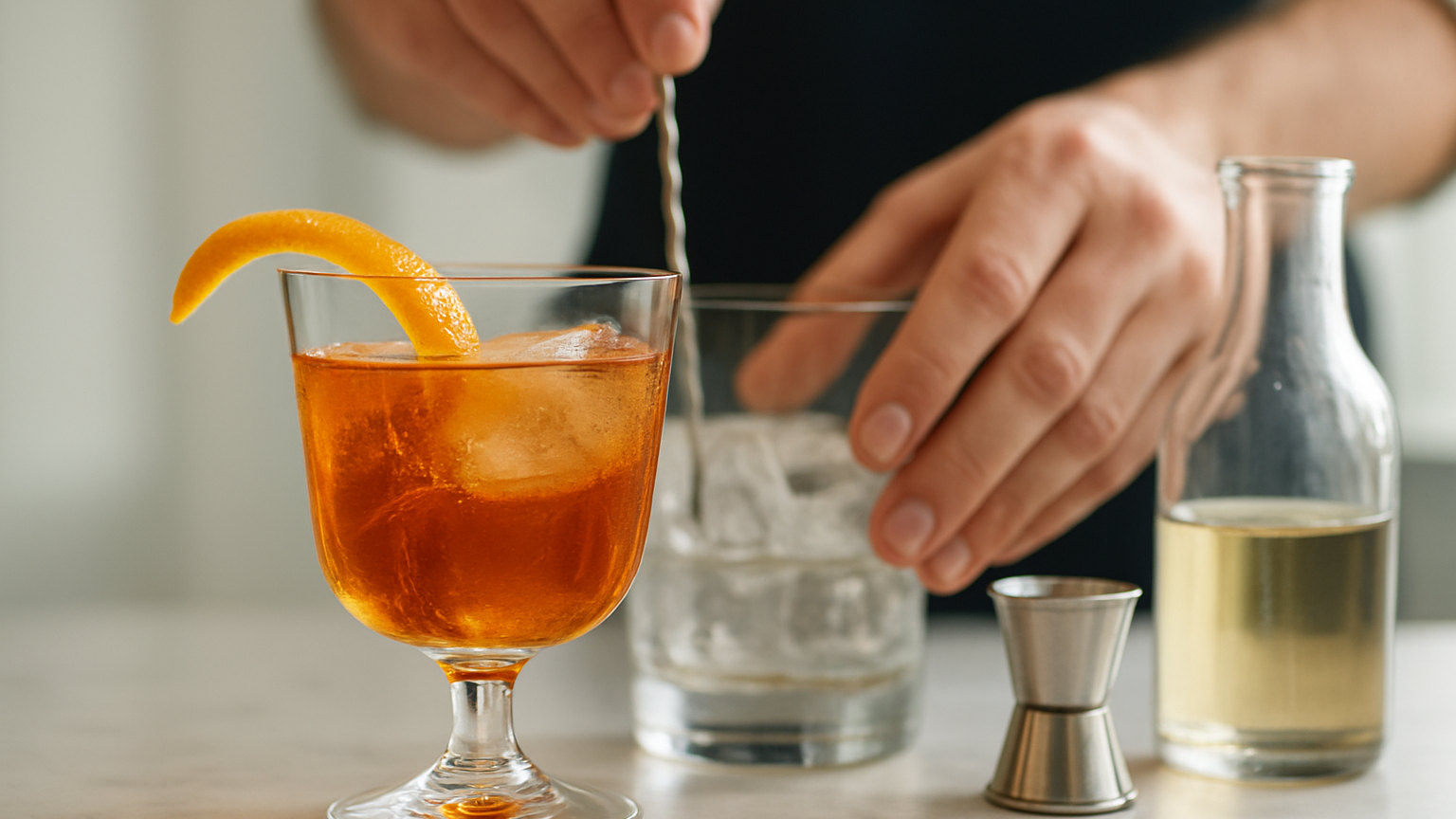
A negroni with 30 millilitres each of gin at forty per cent, bitter aperitivo at twenty five and sweet vermouth at sixteen: 1.2 plus 0.75 plus 0.48, which is around two and a half units.
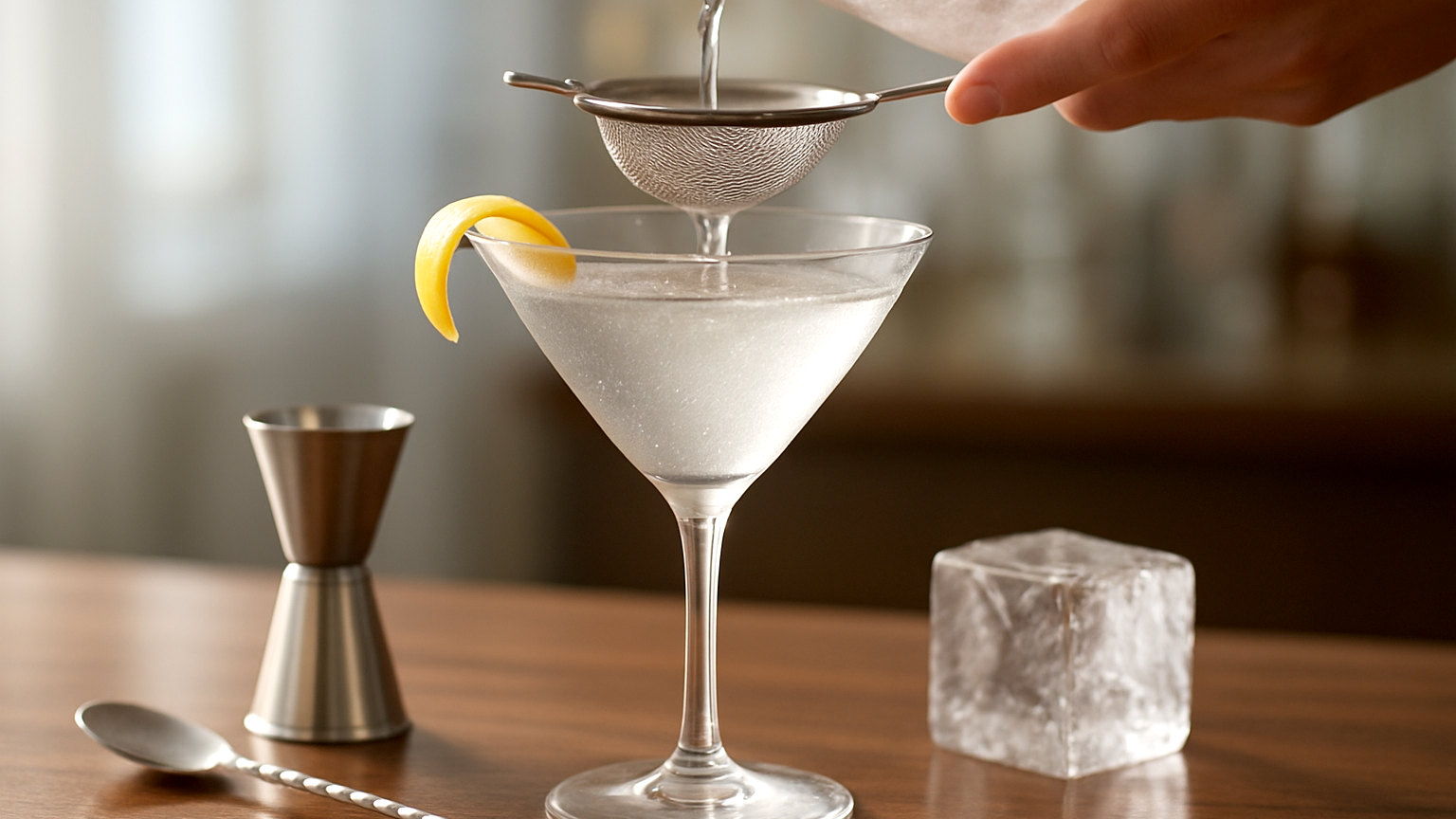
A martini with 60 millilitres of gin at forty per cent and 20 of vermouth at eighteen: 2.4 plus 0.36, around two and eight tenths.
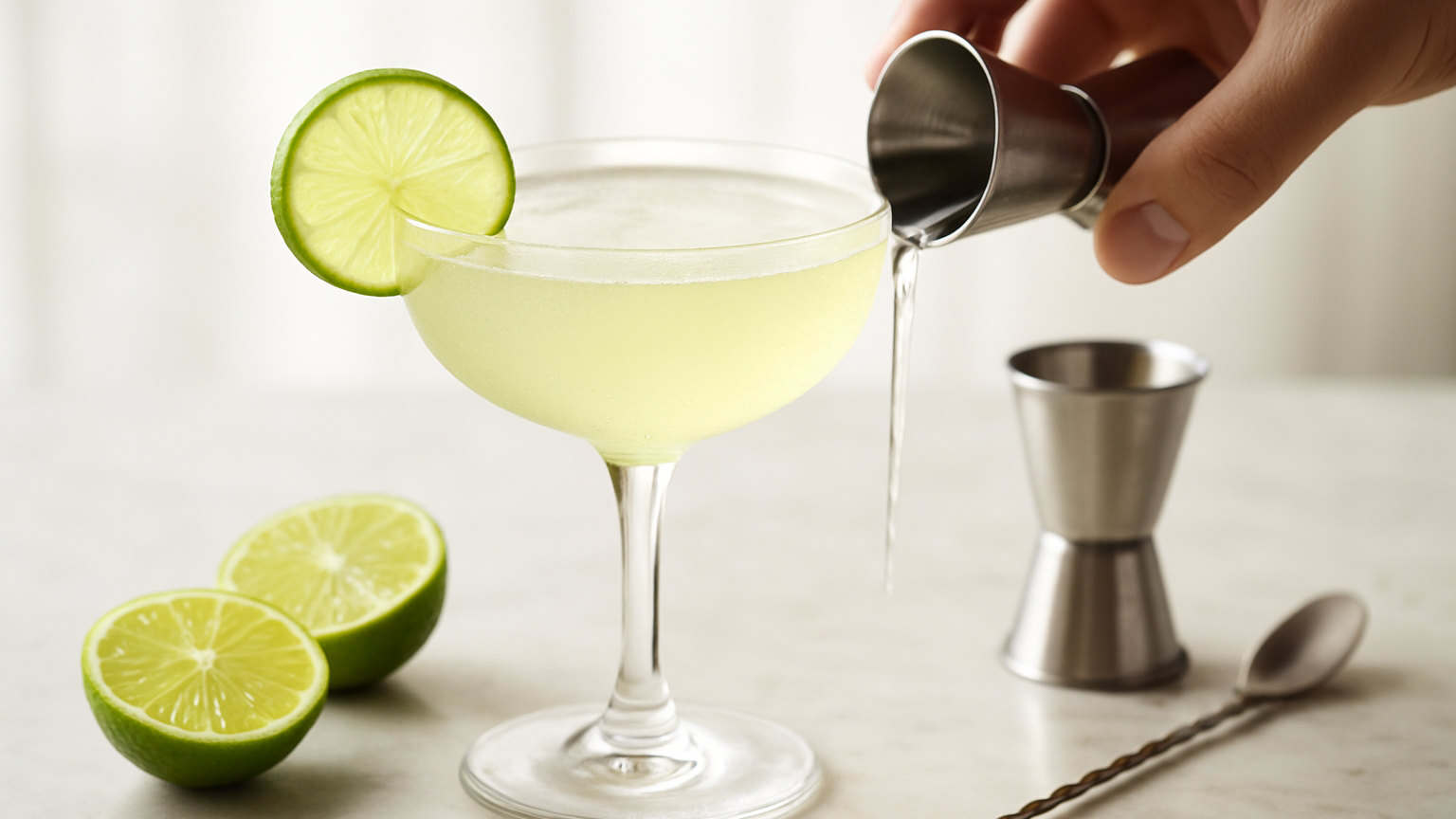
A daiquiri with 60 millilitres of rum at forty per cent: 2.4 units.
Dilution from ice does not change the unit content, since it adds water rather than removing alcohol.
Doing it once
The practical approach is to calculate the drinks you actually have regularly and remember those figures rather than doing the arithmetic each time.
Five minutes with a calculator produces a set of numbers you will retain, which is more useful than a general rule.
Include your own wine glasses, measured with water, since the standard sizes may not be what you pour.
Tools
The NHS publishes a unit calculator, and several apps track units over time.
Bottle labels in the United Kingdom generally state the units per container as well as the strength, which removes the arithmetic entirely for anything bought packaged.
Pub measures are prescribed, so a single spirit is 25 or 35 millilitres depending on the venue, and a large one is double that. Venues must display which they serve.
What it is for
Knowing rather than restricting.
Most people are reasonably accurate about how many drinks they have had and considerably less accurate about how much alcohol that represented.
United Kingdom Chief Medical Officers advise not regularly exceeding fourteen units a week, spread over three or more days. How that applies to anyone individually is a matter for them and their doctor, and the NHS is the appropriate place to look for current guidance.
A common error
Confusing the measure with the drink.
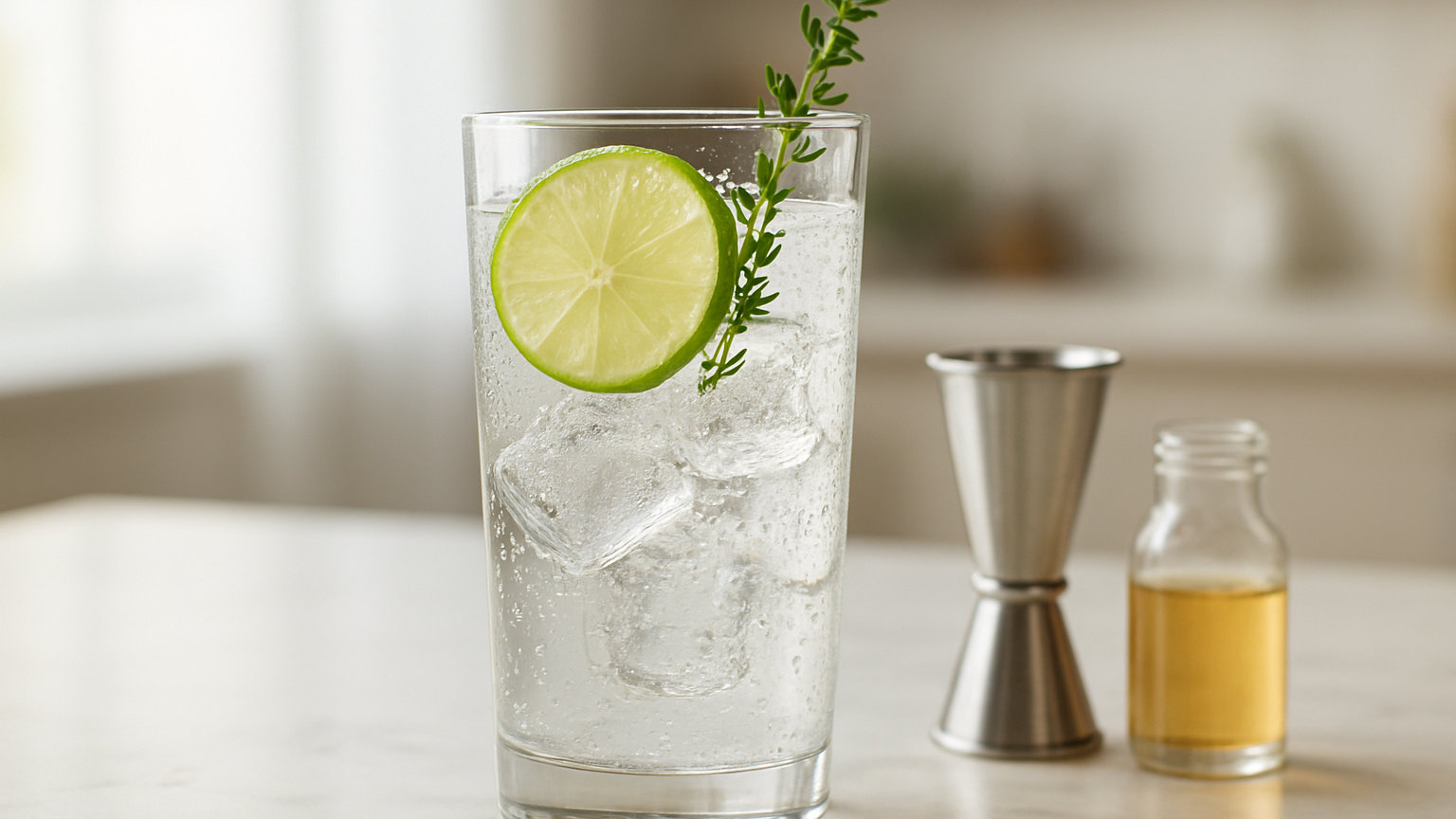
A double gin and tonic contains two units from the gin regardless of how much tonic is in it, since the mixer adds volume rather than alcohol.
Lengthening a drink changes the strength in the glass and not the amount consumed.