The usual approach to learning cocktails is to make a different one each time, working through a list. It produces a broad repertoire and very little judgement.
Why repetition works better
The skill that matters is judgement: knowing when a drink is properly diluted, what an unbalanced one needs, how a particular bottle behaves.
That comes from making the same drink enough times to notice variation, which is impossible if every attempt is a different recipe.
A bartender who has made four hundred daiquiris knows things about limes, dilution and rum that no amount of reading conveys.
Pick one drink
Choose something simple with few ingredients, where every variable shows.
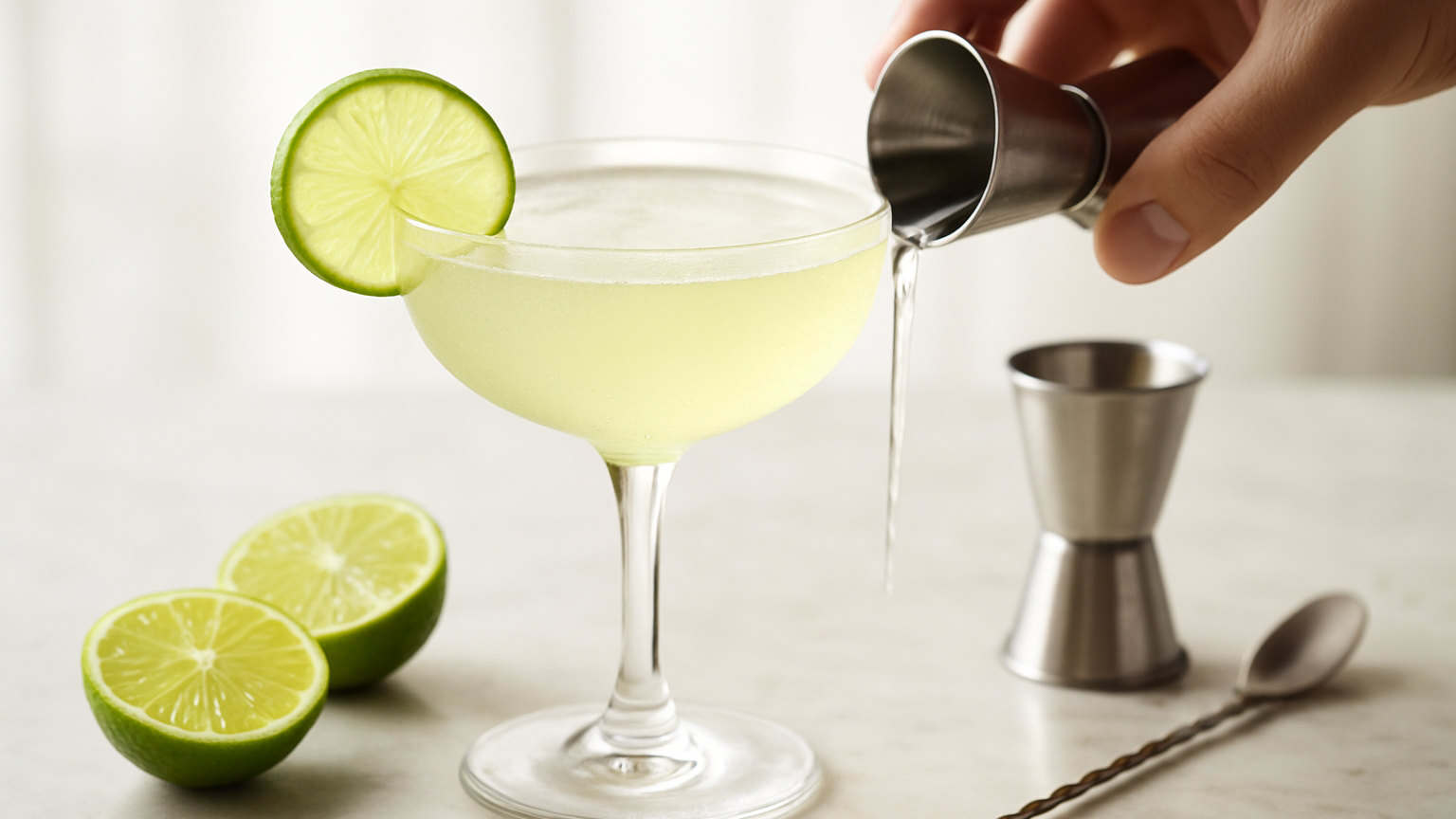
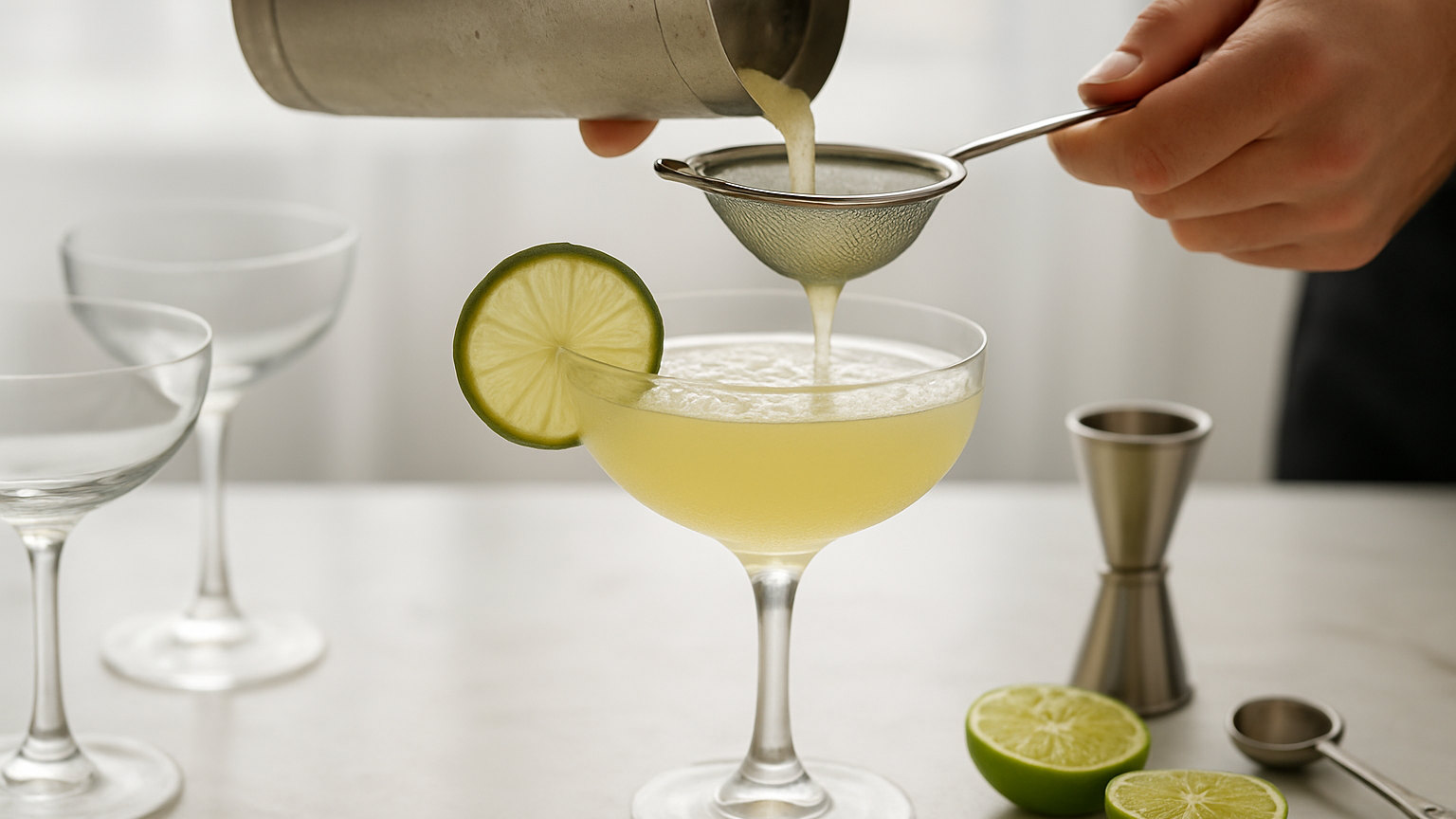
The daiquiri is the standard choice: rum, lime and sugar, with nothing to hide behind. Bartenders order one to judge a bar for exactly that reason.
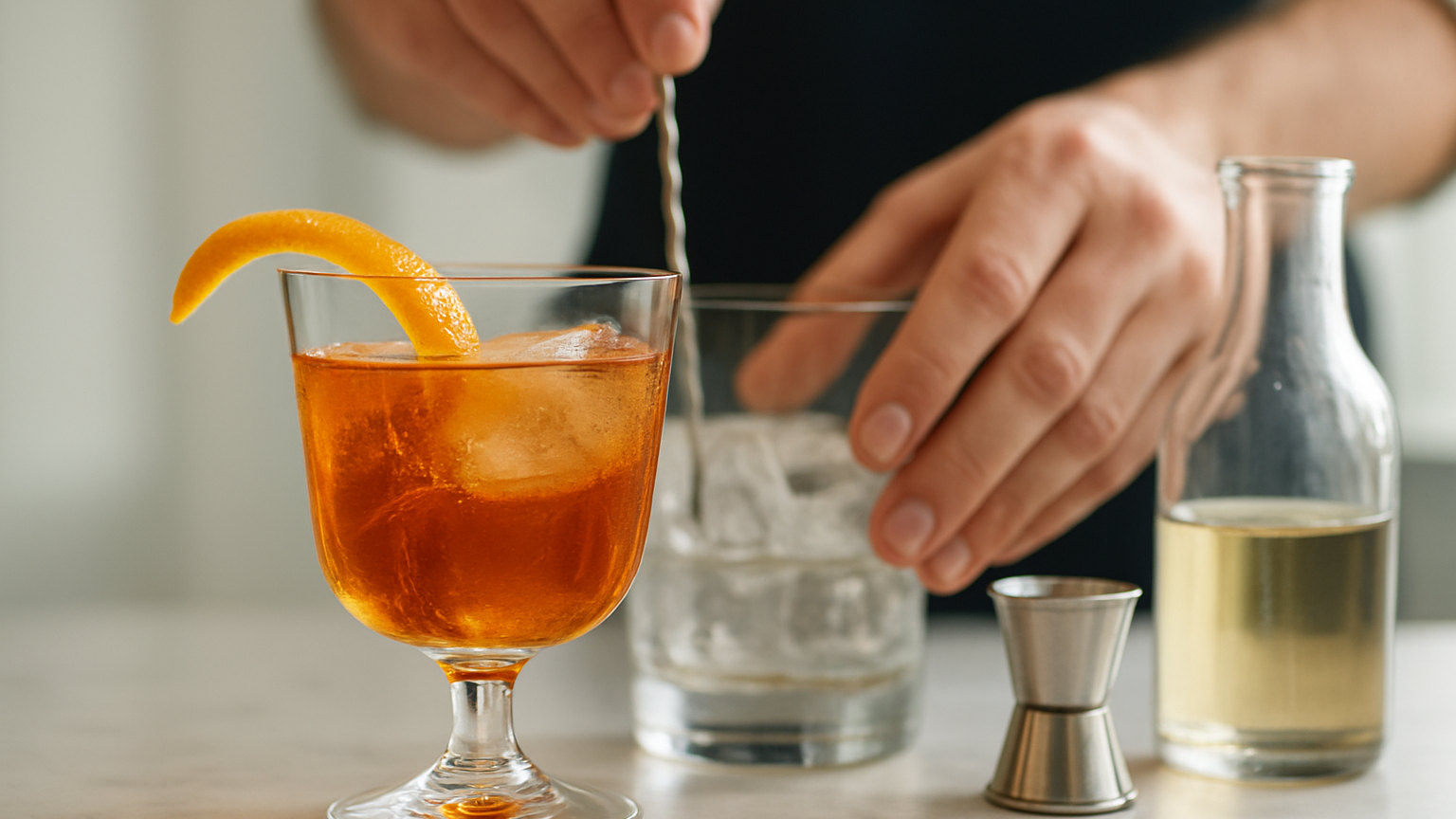
The old fashioned works for stirred drinks, where dilution is the whole variable.
Make it five or six times over a fortnight before moving on.
Change one thing at a time
The discipline that makes practice productive.
Make the standard version. Then make one with more syrup, one with less. One shaken for eight seconds, one for eighteen. One with a different rum.
Changing two things at once means you learn nothing, since you cannot attribute the difference.
Make small quantities so you are not drinking a great deal in the process. Half measures are entirely adequate for a comparison, and two half drinks tasted side by side teach more than two full ones tasted an hour apart.
Side by side
Always compare simultaneously rather than sequentially.
Memory for flavour is poor and short. Two glasses in front of you at the same time reveal differences that would be invisible across an evening.
This is how the ratio experiment works: make three daiquiris at different sweetness levels, taste them together, and your preferred ratio becomes obvious immediately.
Keep notes
A line per drink is enough: what you made, the measures, and one sentence about the result.
Written notes reveal patterns that memory does not. Most people discover after a dozen entries that they consistently prefer less sugar than published recipes suggest, or more acid, or a longer stir.
That knowledge then applies to everything they make thereafter, which is the point of the exercise.
What to work on first
Dilution, since it is the thing most commonly got wrong and the hardest to judge.
Measure your own dilution once: note the volume of ingredients, shake as normal, strain into a measuring vessel and note the new volume. Most people find they shake considerably less than they thought.
Then work on balance, using the ratio comparison.
Then on temperature, comparing a chilled glass with a room-temperature one.
Drinking sensibly while practising
Worth saying plainly, since the exercise involves alcohol.
Make half measures. Taste rather than finish. Pour away what you do not want, which feels wasteful and costs very little.
A comparison of three drinks at half strength is around one and a half units in total if you taste rather than drink them.
Doing this every evening for a fortnight is not the intention. Once or twice a week with a purpose is.
Where to go afterwards
Once one drink is reliable, the template transfers. A daiquiri understood properly gives you the margarita, the whiskey sour and the sidecar without further practice.
Which is the argument for depth over breadth: five drinks made well teach more than fifty made once.
Learning from others
A quiet bar is a good place to watch, and most bartenders are happy to explain what they are doing if asked at a sensible moment.
Watching the dilution, the measures and the order of assembly teaches more in ten minutes than a page of instructions.
Keeping it in proportion
None of this needs to become a project. An hour a fortnight with a purpose produces noticeable improvement within a couple of months.