The question comes up constantly and the framing is unhelpful, since the things that actually determine whether a drink is good do not divide neatly into technique and ingredients.
The factors that dominate
Ranked roughly by how much difference they make.
Fresh citrus. The gap between fresh and bottled juice is larger than the gap between any two spirits at the same price point, and it is detectable by anyone.
Dilution. An under-diluted drink is harsh and an over-diluted one is thin, and both are worse than a correctly diluted drink made with cheaper ingredients.
Temperature, both of the drink and of the glass.
Ice quantity and quality, which drives the previous two.
Accurate measurement, since a ratio that is out by twenty per cent produces a noticeably different drink.
Vermouth freshness, in any drink containing it.
Then, some way down, the specific bottles used.
What that means
Four of those seven are technique and three are ingredients, but they are not the ingredients people usually mean.
Fresh citrus, fresh vermouth and good ice are ingredients. The brand of gin is much further down the list.
So the answer is neither: what dominates is a specific short list, and both categories are represented on it.
Where money helps
Moving from a poor spirit to a decent one makes a real difference. Moving from a decent one to an expensive one makes much less, particularly in a drink with three other ingredients.
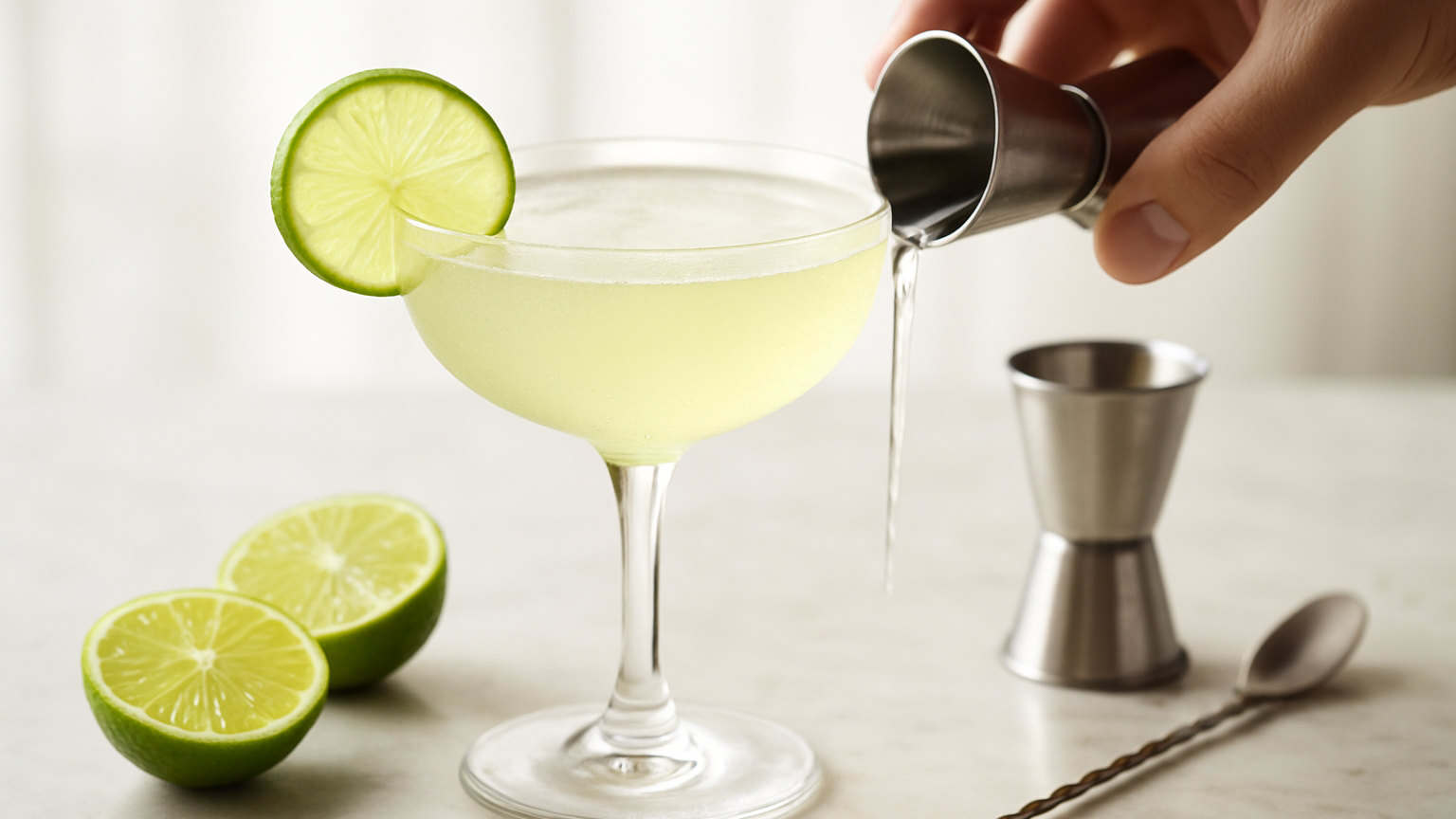
A well made daiquiri with a mid-range rum beats a carelessly made one with an expensive rum comfortably.
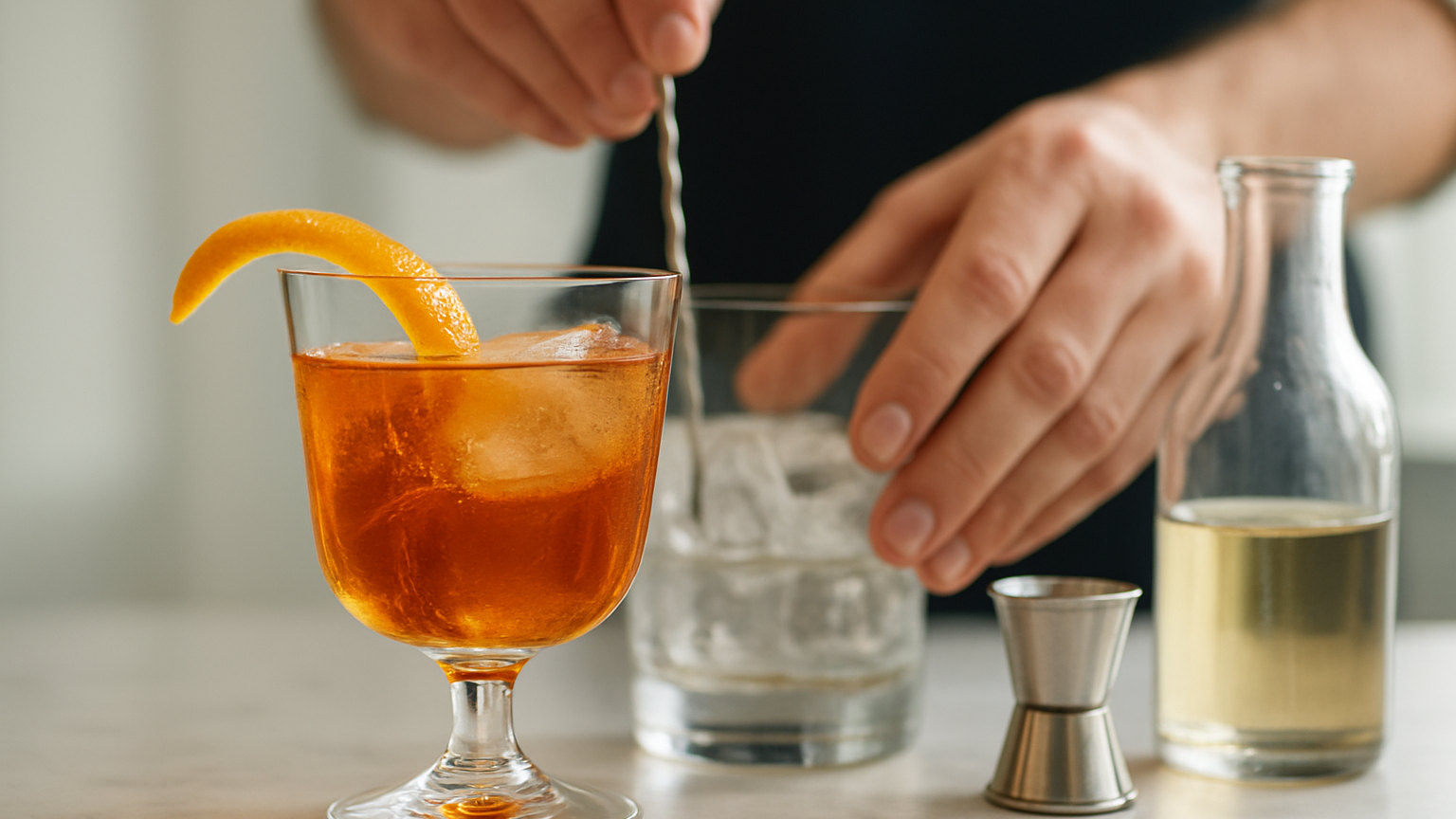
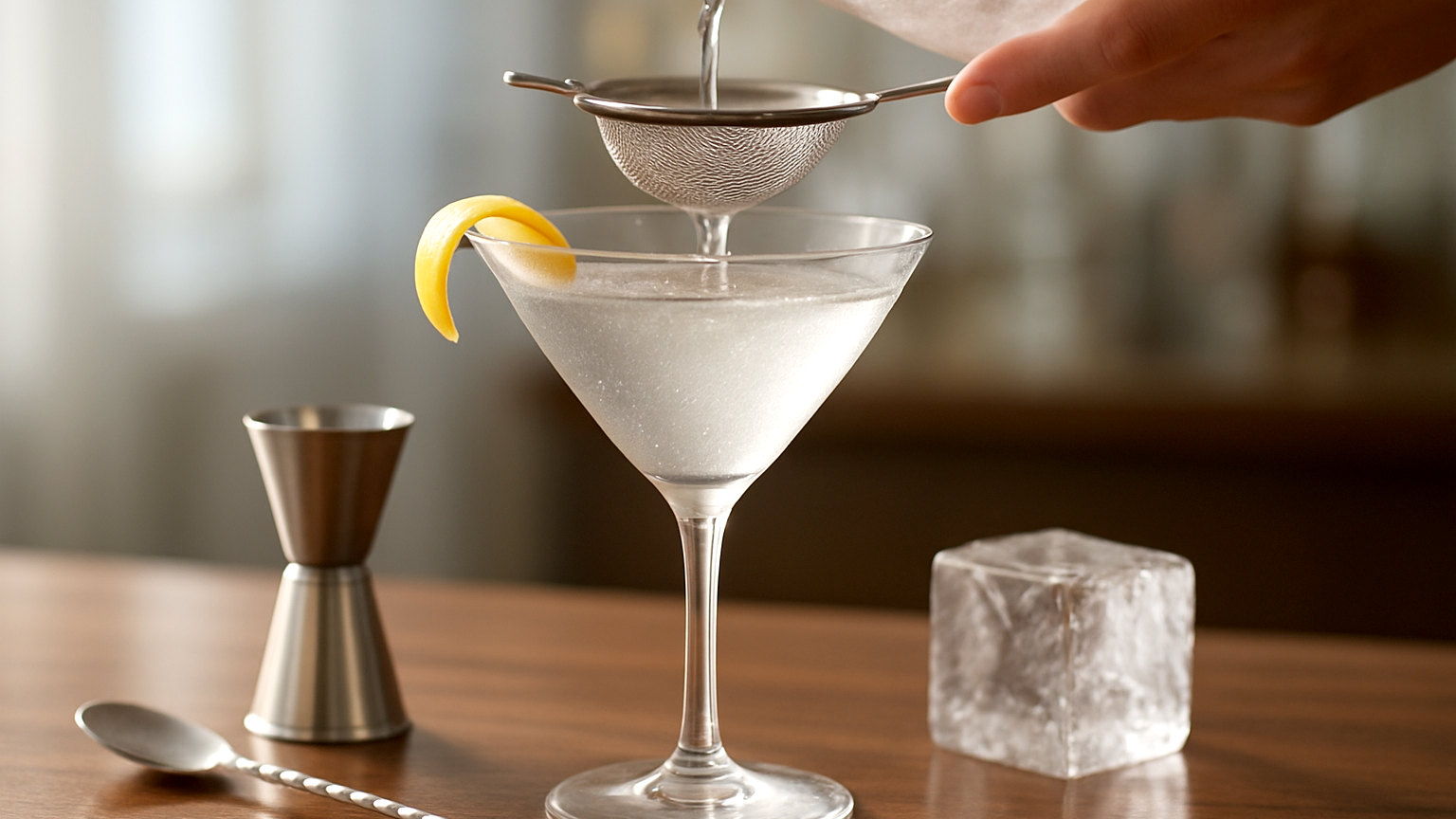
The exception is drinks where the spirit is most of the content: a martini, an old fashioned, anything spirit-forward. There, the bottle matters considerably more, since there is nothing to hide behind.
Where technique helps
Most in drinks with several components and a precise balance, meaning sours and anything shaken.
Least in a highball, where the mixer supplies most of the flavour and the main variables are ice and temperature.
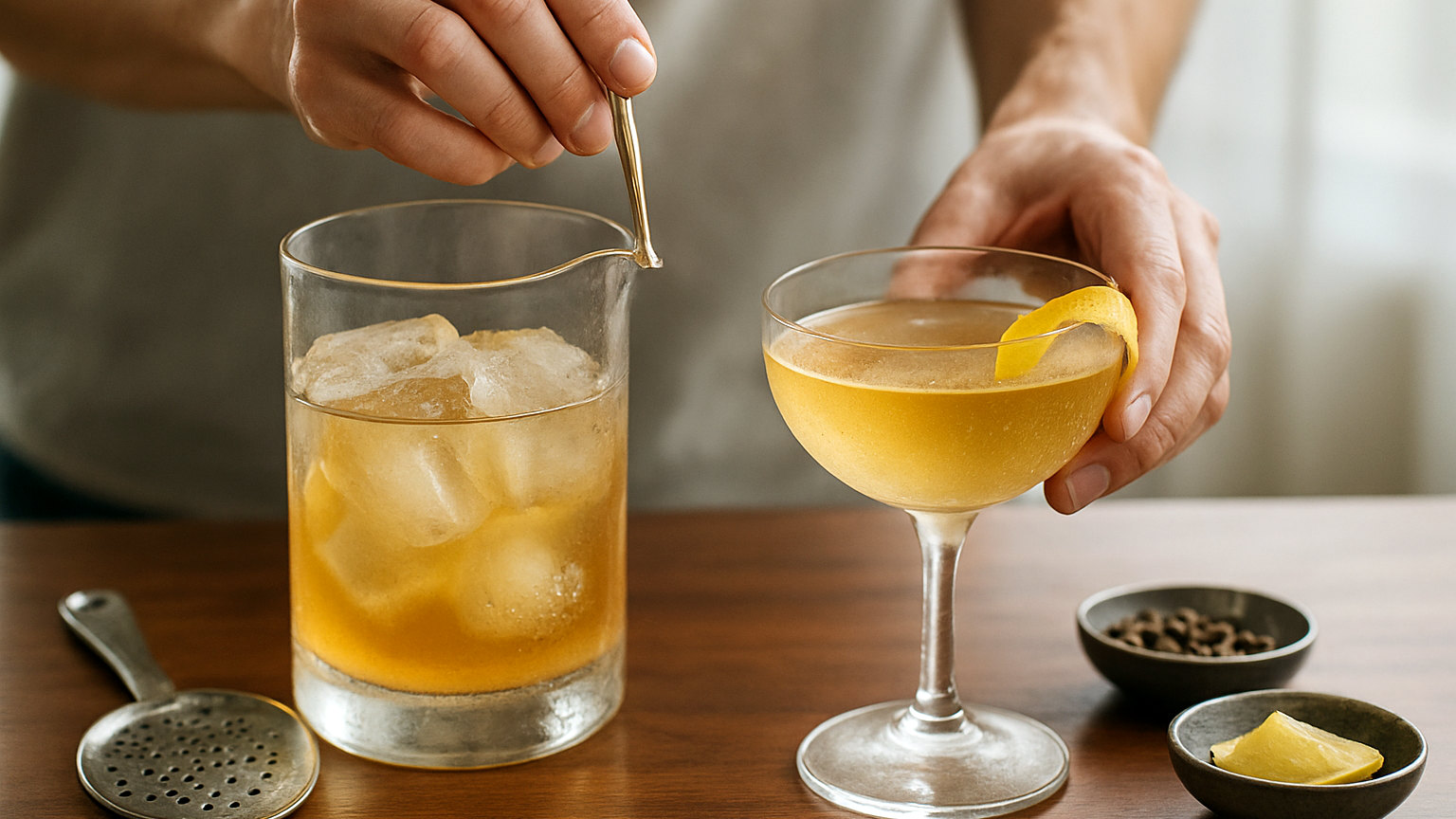
Notably, the technique that matters most is not skill in the sense of practised dexterity. It is measurement, sufficient ice, sufficient agitation and a chilled glass, all of which anyone can do on their first attempt.
The thing that takes practice
Judgement rather than execution.
Knowing when a drink is properly diluted, tasting it and knowing what to adjust, recognising that a particular lime is unusually sharp: those come from making the same drink repeatedly.
That is the genuine gap between a home cocktail and a good bar one, and the only way to close it is repetition rather than reading.
Where to put your attention
In order: buy a jigger and use it. Squeeze the citrus. Fill the shaker with cold ice. Shake or stir long enough. Chill the glass. Keep vermouth in the fridge. Taste before serving.
All seven are free or nearly so, and together they will improve a drink more than any bottle upgrade.
After that, better ingredients are worth having, and they are the refinement rather than the foundation.
The honest summary
Good ingredients handled badly produce a poor drink. Ordinary ingredients handled well produce a good one.
Which is not an argument against buying decent bottles. It is an argument for getting the free things right first, since they cost nothing and they are what most home drinks are missing.
The exception worth naming
Vermouth is the ingredient where quality and freshness together outrank almost everything else.
A martini or a manhattan made with a bottle that has been open in a cupboard for six months cannot be rescued by any technique, since a quarter to a third of the drink has gone stale.
Which to fix first
Buy a jigger, squeeze the citrus, fill the shaker properly. Those three cost almost nothing and address most of what goes wrong.
And then stop worrying
Beyond that short list, the returns diminish quickly, and a drink made attentively with ordinary ingredients is a good drink.