
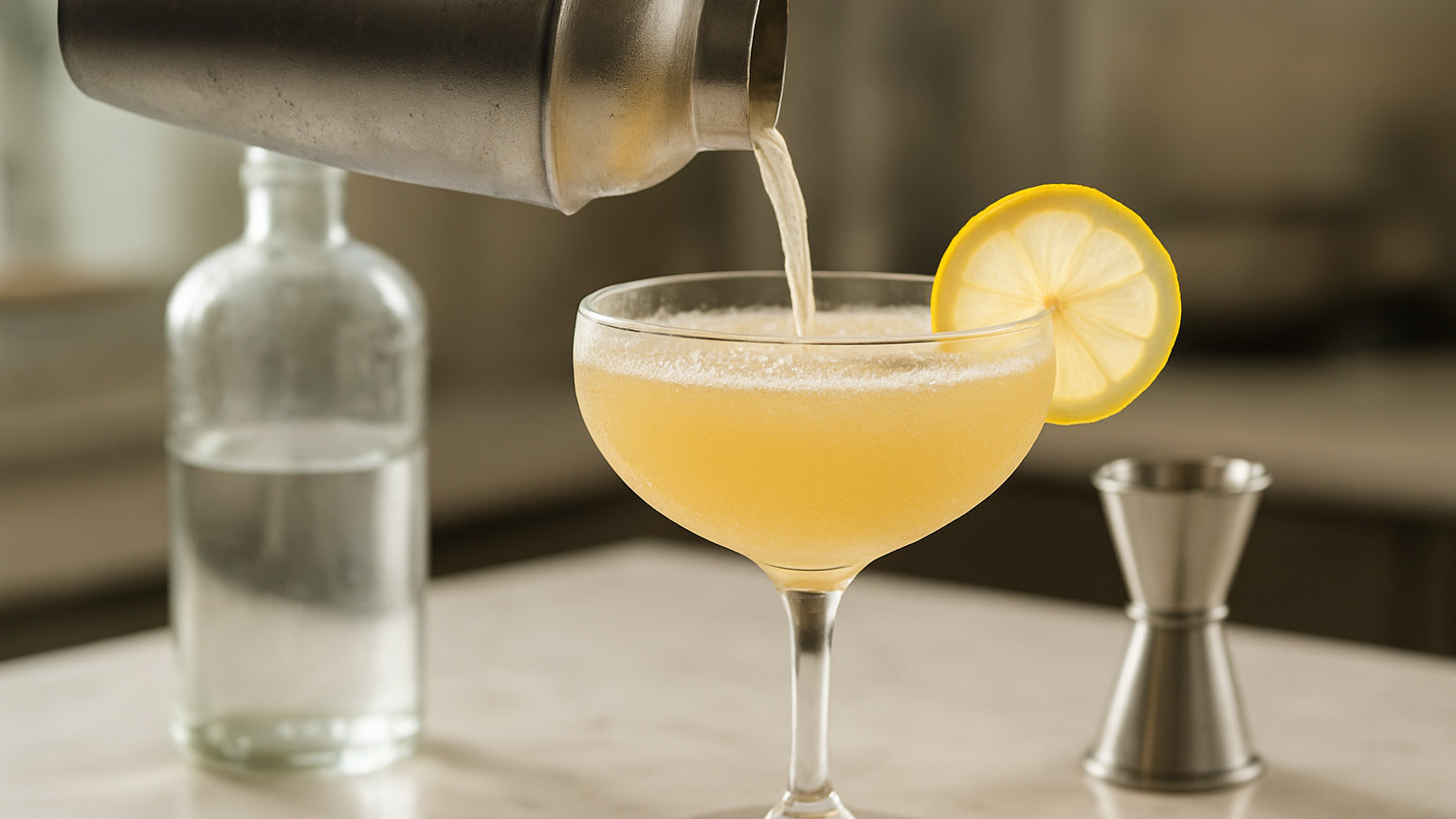
Stirred drinks batch perfectly. Shaken drinks are more awkward, because shaking provides two things that a bottle cannot: emulsification and aeration.
What is lost
Texture is the main casualty. A shaken sour has a light, slightly foamy quality that comes from air introduced during the shake, and that dissipates within minutes.
Emulsification matters too. Citrus juice and spirit combine properly when agitated and separate slowly afterwards.
A batched sour poured straight from a bottle tastes flatter and heavier than one made to order, even with the dilution correctly accounted for.
The citrus problem
The other constraint, and the more serious one.
Fresh lemon and lime juice begins deteriorating within hours. Lime is noticeably duller within a day and lemon not much better.
A sour batched the day before with the citrus included tastes flat and slightly cooked, which is the fault that gave bottled sour mix its reputation.
The split batch
The practical answer to both problems.
Combine the spirit, the sweetener, any liqueur and the dilution water in a bottle and refrigerate. That keeps for days.
Squeeze the citrus on the day, ideally within two or three hours of serving, and combine the two shortly before guests arrive.
Then give each serving a brief shake with ice, which takes five seconds and recovers most of the texture.
The dilution
A batch has no ice contact during preparation, so the water must be added deliberately.
For a shaken drink, add twenty five to thirty per cent of the total volume as filtered water.
If you intend to give each serving a brief shake, reduce that slightly, since the shake will add a little more.
Taste it cold rather than at room temperature, since chilling flattens sweetness and a batch that seemed balanced warm usually needs adjusting.
The five-second shake
The technique worth adopting.
Pour a measured serving from the batch into a shaker with a scoop of ice, shake for five seconds, and strain.
That is long enough to aerate and chill without adding much further dilution, and the result is close to indistinguishable from a drink made from scratch.
It also means the work at the point of serving is trivial: no measuring, no squeezing, one brief shake.
What cannot be batched at all
Egg white and aquafaba, both of which need a full dry shake per serving to build foam.
Anything carbonated, where the sparkling element goes in at the moment of pouring.
Anything with dairy, which should be made fresh.
Acid-adjusted juice
For anyone batching regularly, worth knowing about.
Combining citrus peel with citric and malic acid and water produces a liquid with the acidity and aroma of fresh juice that keeps for a week or more.
It is not identical to fresh and is considerably better than bottled, and it removes the timing constraint entirely.
It also uses a fraction of the fruit, which matters when a batch for twenty would otherwise require a great many limes.
Scaling
Make one drink first, note the exact measures, then multiply.
Scaling an untested recipe to twenty servings is how people end up with two litres of something not quite right and no straightforward way to correct it.
Keep a lemon and a small bottle of syrup to hand at the point of serving, since a batch that is slightly out can be corrected in the glass.
Serving responsibly
A batch makes it easy to lose track of how much anyone has drunk, since nobody counts pours from a bottle.
Work out the strength per serving before the evening and write it on the label.
Pour a measured amount rather than filling glasses, and have a good non-alcoholic option batched alongside and clearly labelled.
Storage
The spirit and sweetener base keeps for weeks refrigerated. Once the citrus is added, treat it as a same-day product.
Labelling
Contents, date and strength per serving, on every bottle.
An unlabelled bottle in a fridge gives no indication of what it is or how strong, which matters for anyone else in the house.
The five-second habit
Once you have batched a sour this way, the individual shake becomes automatic and the drink is close to indistinguishable from one made from scratch.
Which is the best available compromise between doing the work in advance and serving something worth drinking.


