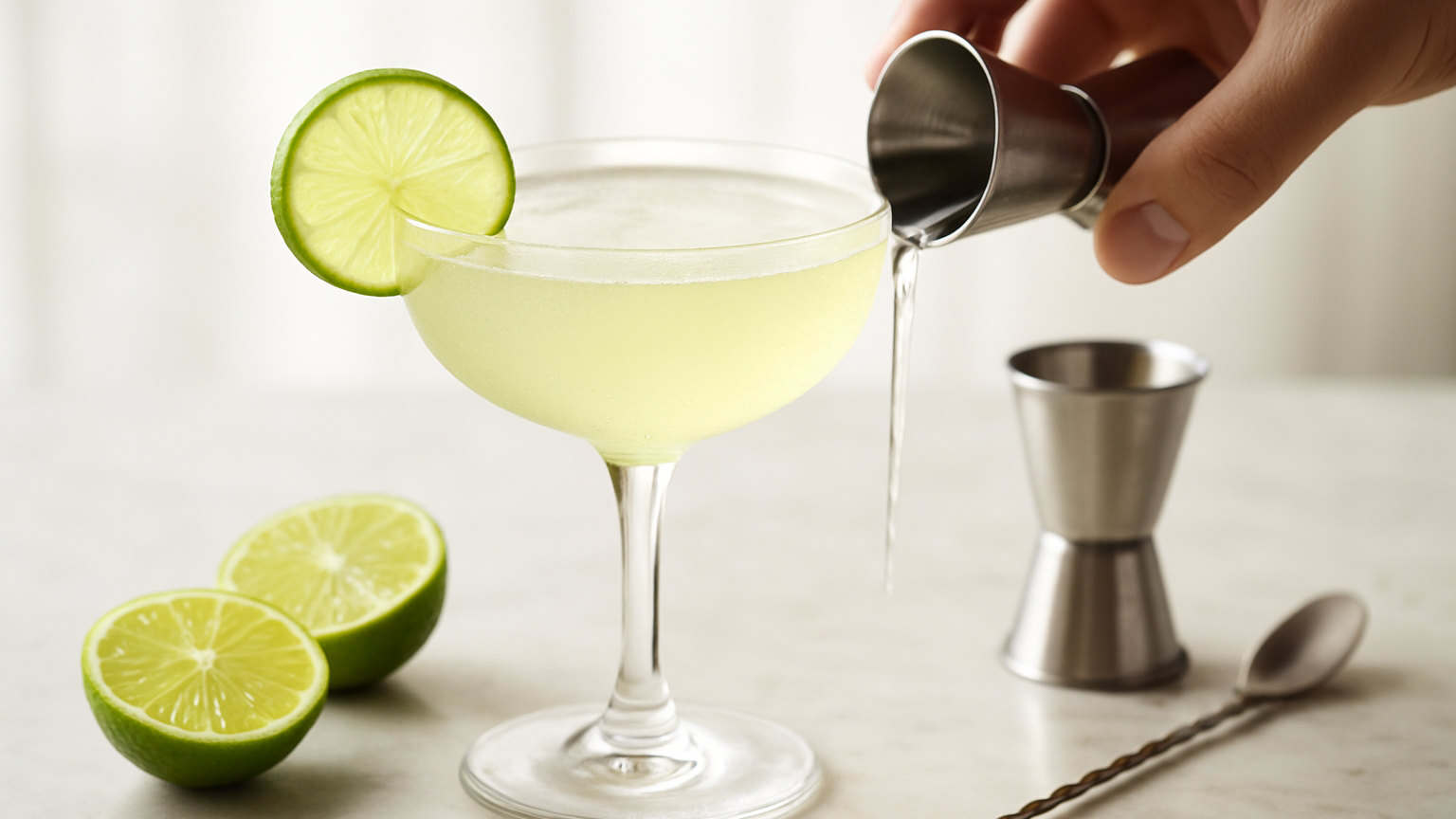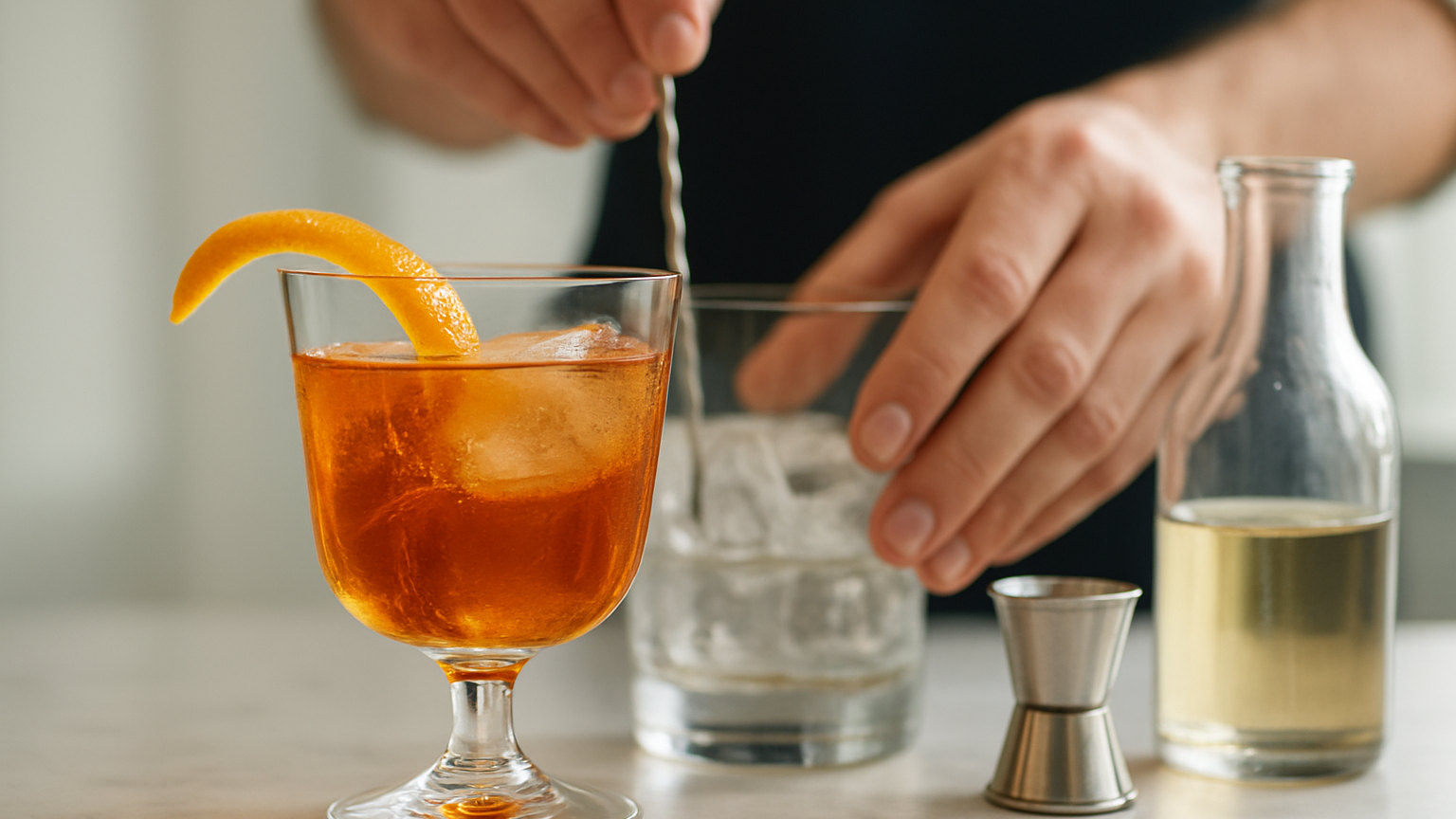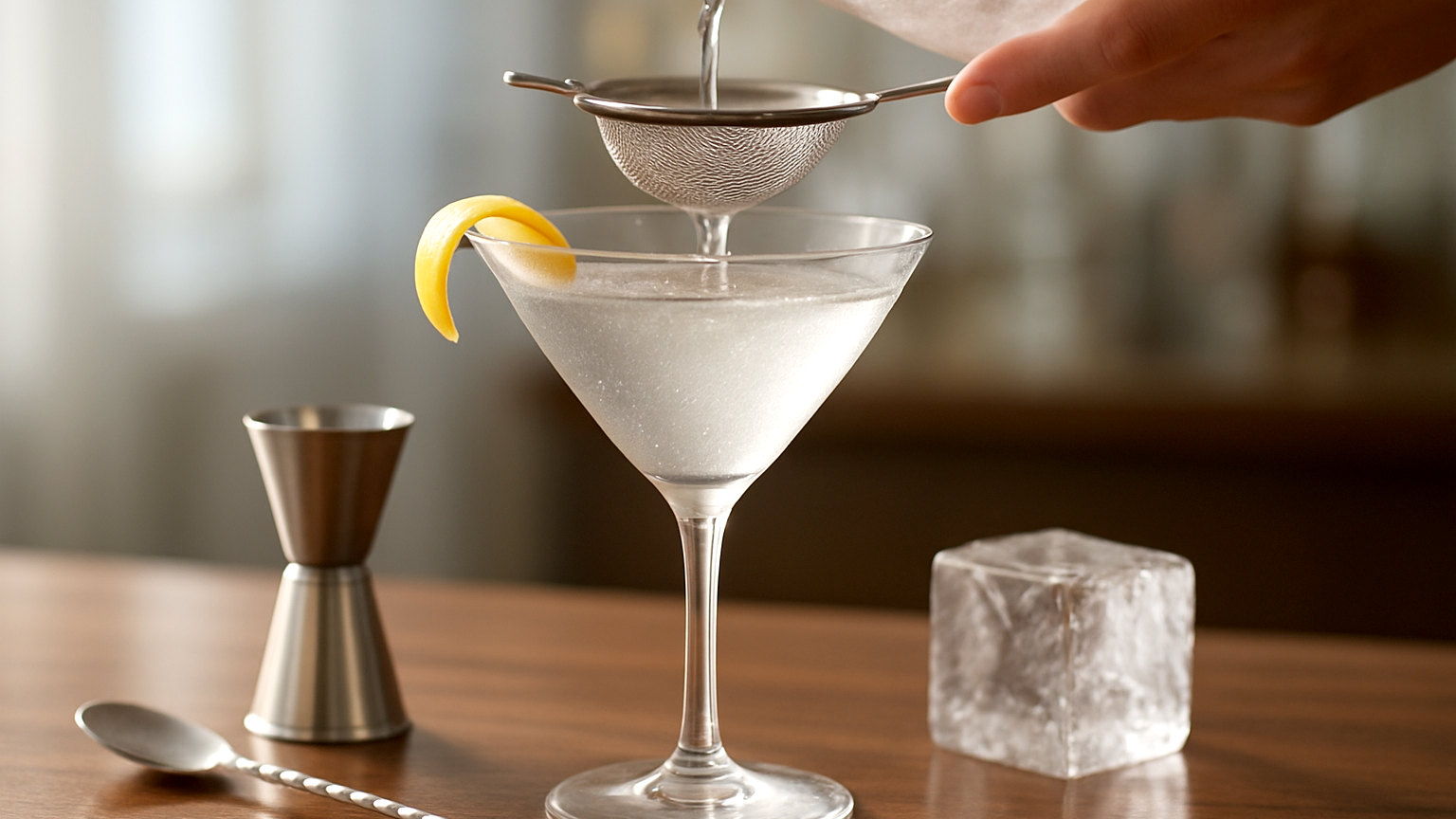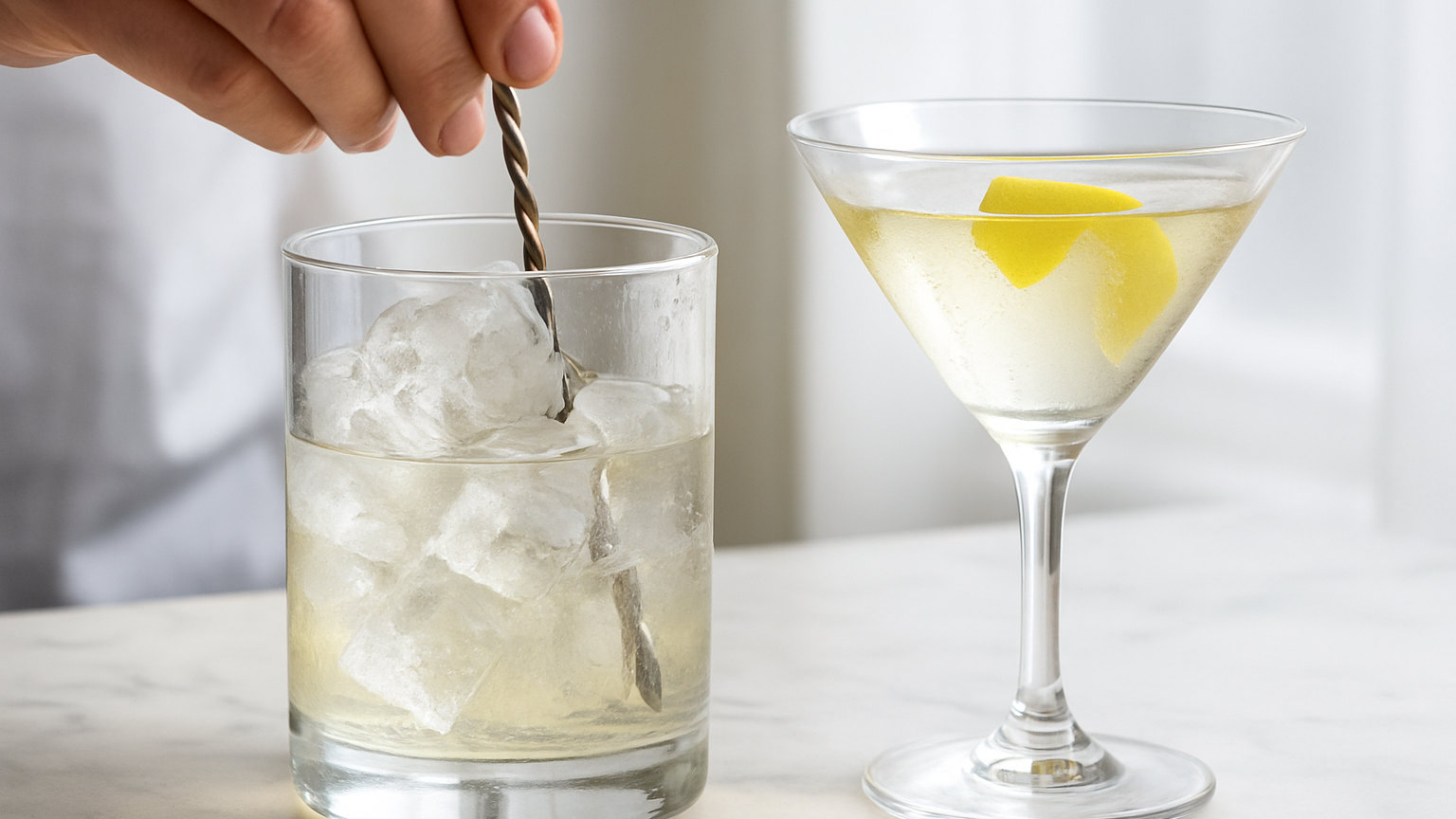
Every other ingredient in a drink is measured, added and left alone. Ice is measured, added, and then continues to act for as long as the drink exists, which makes it the one ingredient that is also a process.
The two jobs
Ice chills, and it dilutes. Both are intended.
Chilling suppresses the perception of alcohol and sweetness, which is why a warm cocktail tastes harsh and cloying and the same drink cold tastes balanced.
Dilution is the part people resist and it is not a fault. A stirred drink gains around twenty to twenty five per cent of its volume in water, and a shaken one nearer thirty. That water softens the alcohol, opens the aromatics and brings the drink to its intended strength.
A martini made without dilution is not a stronger martini; it is an unfinished one.
Why more ice dilutes less
The point that contradicts intuition and matters most.
Ice melts because heat reaches it. A glass with three cubes in a larger volume of warmer liquid transfers heat rapidly into those cubes, and they melt fast.
A glass packed with ice chills the whole drink quickly, after which everything sits at the same low temperature and the melting slows dramatically.
The full glass therefore ends up less diluted after ten minutes than the under-iced one, and considerably colder throughout.
This applies everywhere: a shaker, a mixing glass and a serving glass all work better full than half empty.
The physics behind it
Melting ice absorbs a great deal of energy, far more than simply warming the same mass of water does. That is why ice cools so effectively and why a chilled solid does not.
It also means the drink cannot go below zero degrees while ice remains, since the energy goes into melting rather than into further cooling.
A drink stirred for thirty seconds typically reaches around minus one to two degrees, since the alcohol lowers the freezing point below that of water.
What ice quality affects
Three things.
Surface area determines the rate of melting, which is why large cubes dilute more slowly than small ones.
Density affects the rate too, and clear ice melts more slowly than cloudy ice because trapped air creates weak points.
Purity affects flavour directly. Ice absorbs freezer odours, and stale ice from an open tray produces drinks that taste faintly of whatever else is in there.
Where ice is not just a coolant
In some drinks it is structural.
Crushed ice in a julep or a bramble dilutes continuously by design, so the drink starts concentrated and becomes progressively longer and more refreshing.
A single large cube in an old fashioned is doing the opposite: keeping the drink cold while adding as little water as possible.
Neither is more correct. They are different intentions requiring different ice.
The practical consequences
Fill the glass, always. Fill the shaker. Use fresh ice straight from the freezer rather than cubes that have been sitting out.
Chill the other ingredients where you can, so the ice has less work to do and melts less.
Store ice covered rather than in an open tray.
And never reuse ice from a previous drink, which has already partially melted and will dilute the next one faster.
All of that is free, and between them these habits improve more drinks than any bottle at the same price.
Ice as a proportion of the drink
Worth noticing how much of a finished drink was originally ice.
A stirred cocktail is around a fifth water from melting. A highball over a full glass of ice may be a third water by the time it is finished.
That makes ice the second largest ingredient in a great many drinks, ahead of everything except the base spirit, which is a reasonable argument for giving it some attention.
Where to start
Fill the glass, fill the shaker, and store ice covered. Those three habits cost nothing and address most of what goes wrong.