A drink served over ice at seven o'clock is not the same drink at seven twenty. Temperature rises, dilution increases, and aroma changes. Whether that is a problem depends entirely on what the drink was designed to do.
The curve
In the first minute or two, the drink reaches its coldest point as the ice does its work.
Over the following ten to twenty minutes, dilution increases steadily while the temperature slowly rises.
By the end, a drink over small ice may have gained a third of its volume in water and warmed several degrees.
The rate depends on ice size, quantity, room temperature and how much of the glass is exposed.
Drinks designed to change
Several are built around the curve rather than against it.
A julep starts as a concentrated measure of bourbon and becomes progressively longer and more refreshing. The crushed ice is doing that deliberately, which is why it works in heat.
A swizzle behaves the same way.
A bramble changes twice over: the liqueur descends through the ice as you drink, so the drink becomes sweeter and fruitier towards the bottom while also becoming longer.
A mai tai over crushed ice is intended to soften as it goes.
In all of these, drinking slowly is part of the design.
Drinks resisting the change
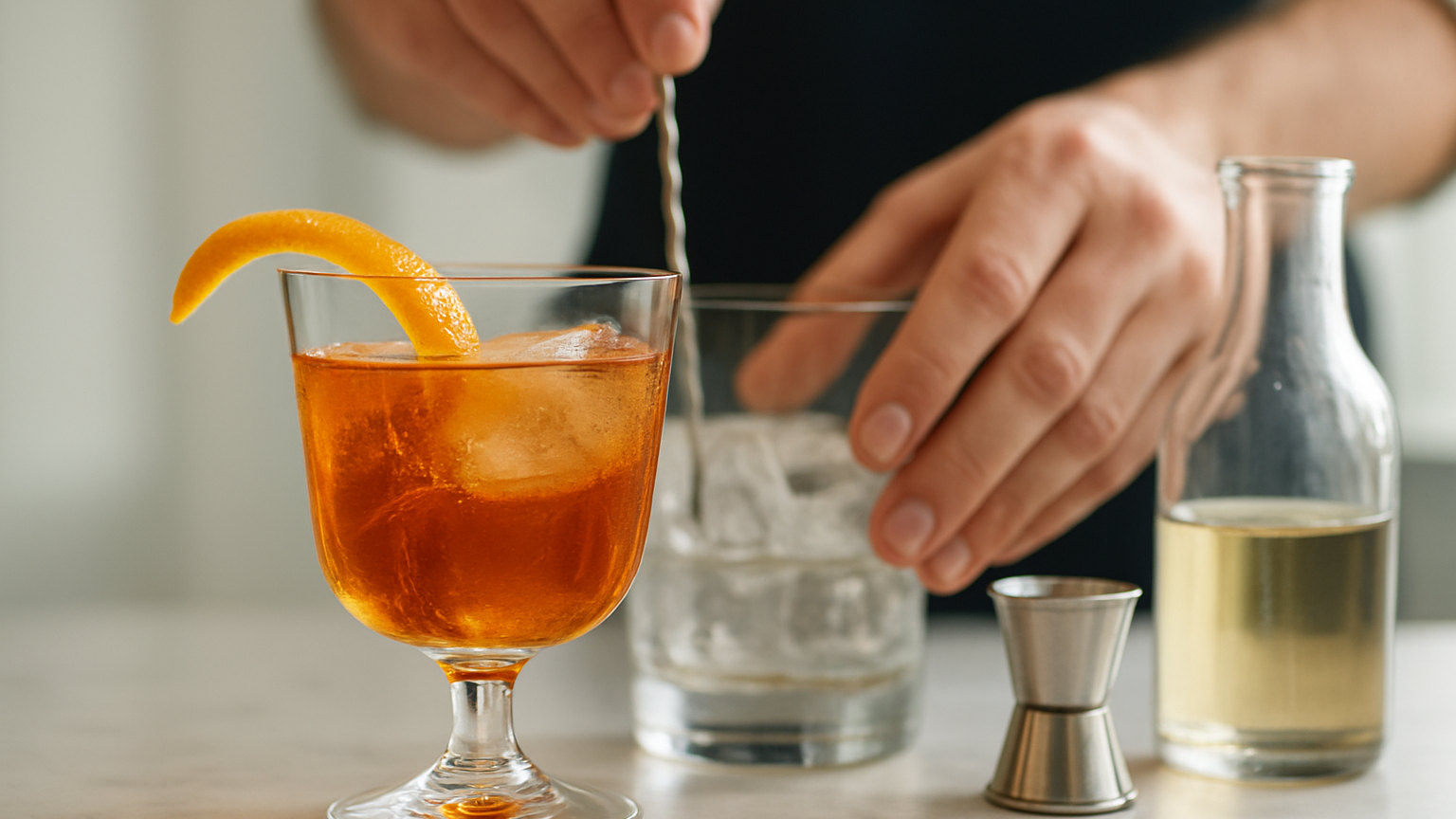
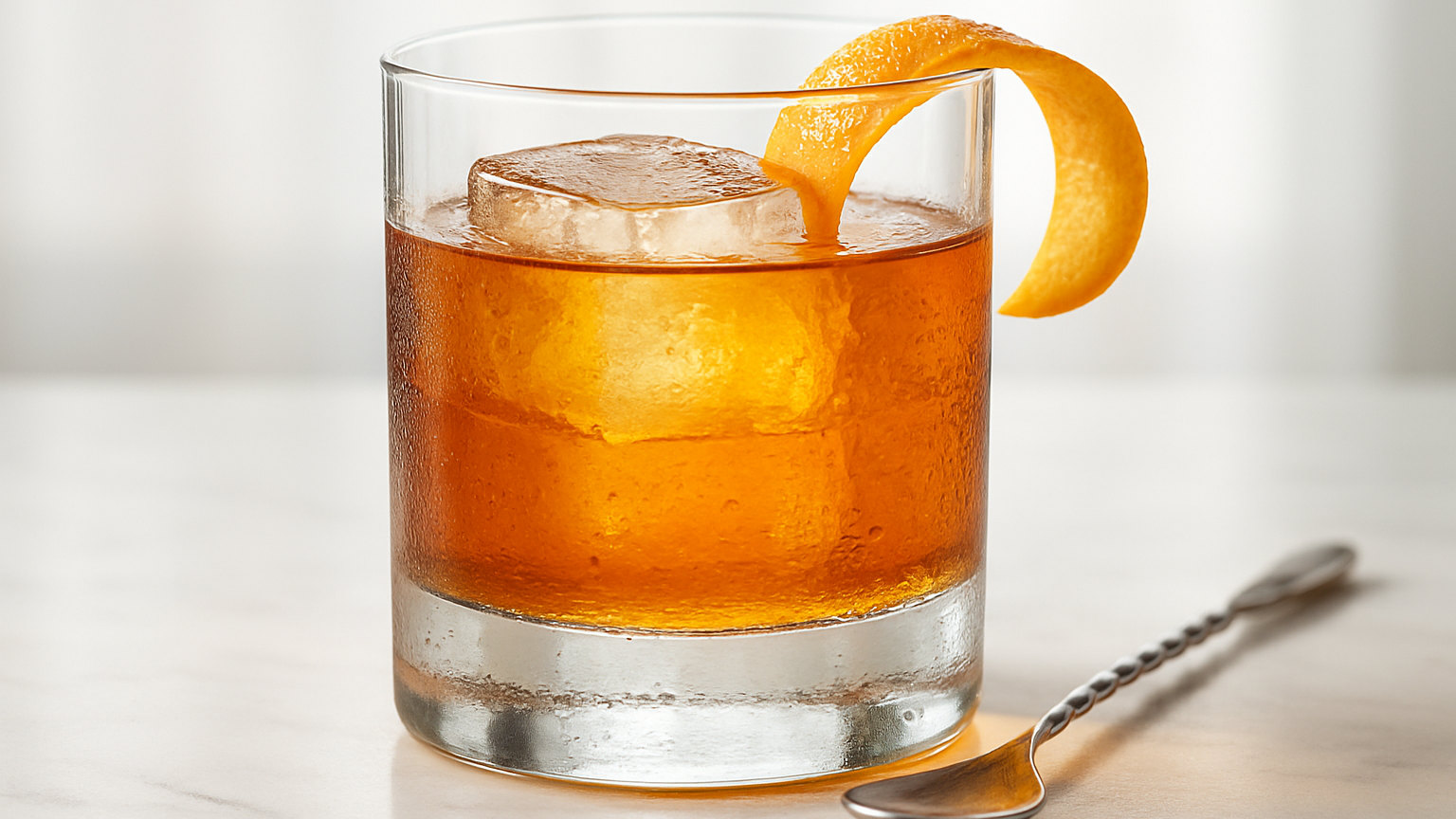
An old fashioned over a single large cube is engineered to change as little as possible. The dilution was achieved during stirring, and the ice is there only to keep it cold.
A highball packed with ice resists similarly, since a full glass melts slowly.
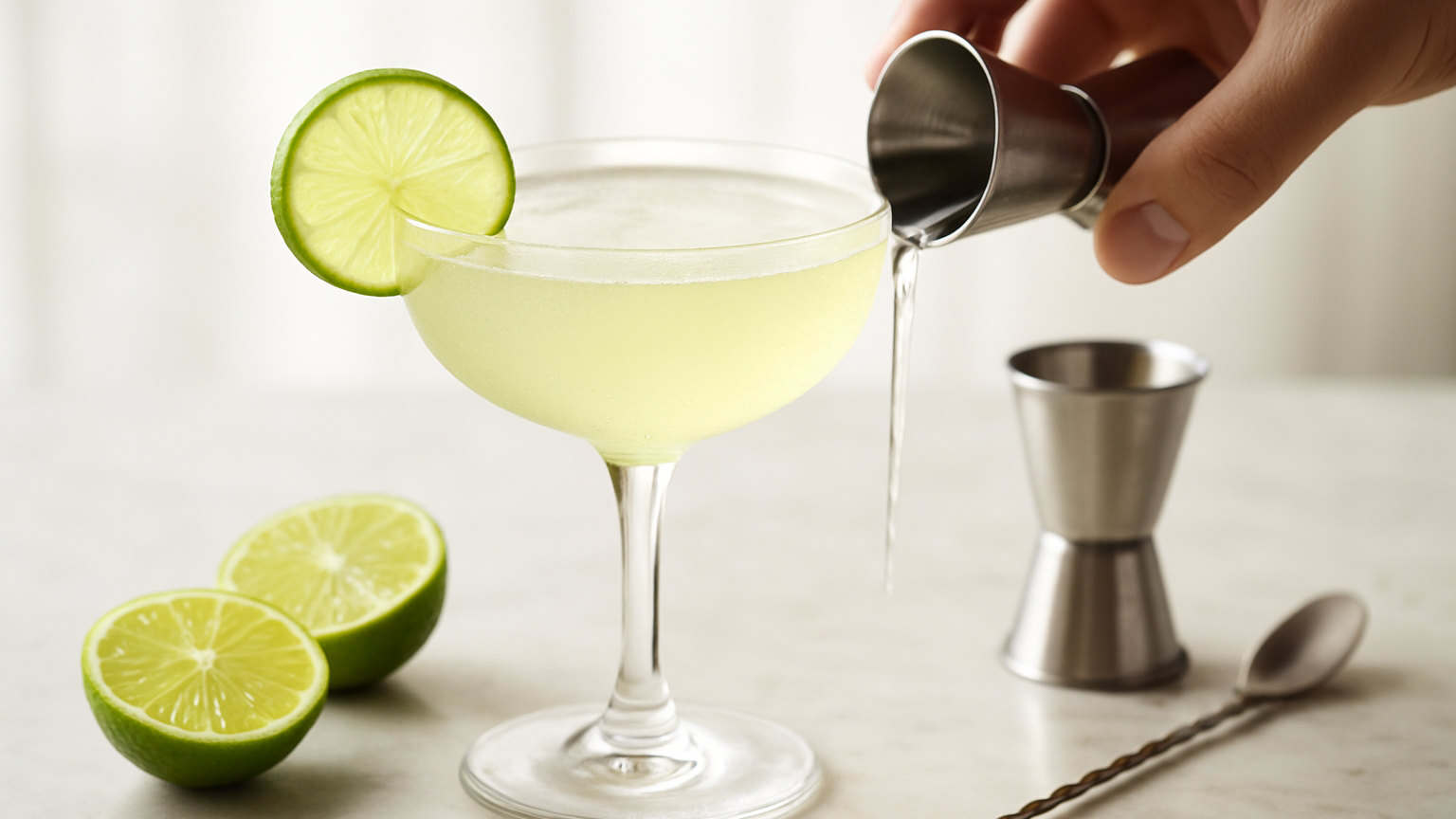
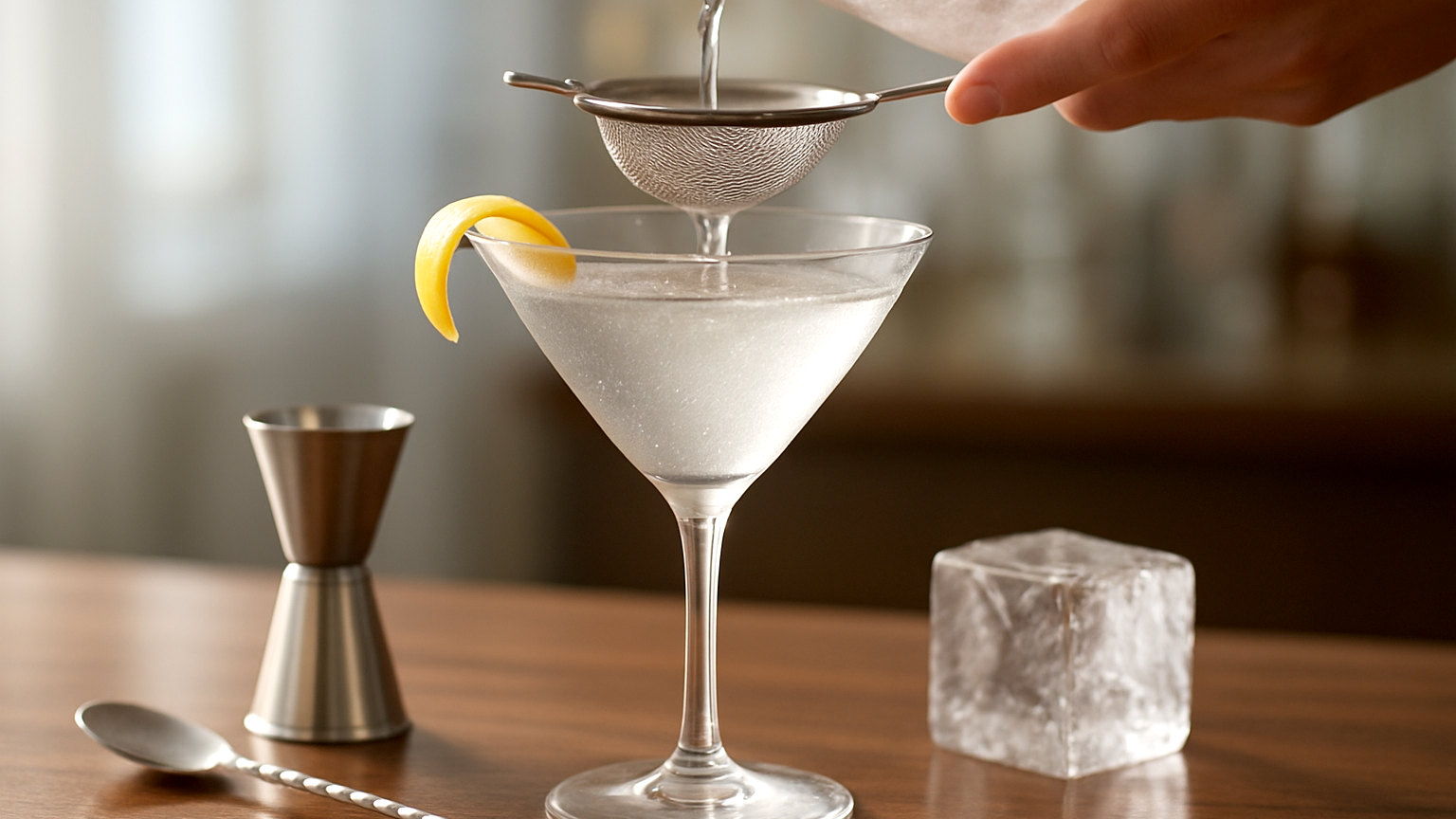
Anything served up with no ice at all is resisting differently: it does not dilute further, and it warms steadily, which is why it should be drunk within about fifteen minutes.
What warming does
Aroma increases as a drink warms, since volatiles evaporate more readily.
Perceived sweetness increases and perceived bitterness and acidity fall.
Alcohol becomes more prominent.
So a spirit-forward drink frequently smells better at the end than at the beginning, and simultaneously tastes hotter and sweeter. Whether that is an improvement depends on the drink and on how warm it has got.
Drinking pace
Worth thinking about, since it is the variable you control.
A stirred drink served up is at its best within ten to fifteen minutes and declines after that.
A drink over a large cube holds for twenty to thirty.
A crushed ice drink is at its best across its whole life, changing rather than declining.
A highball with a full glass of ice holds well and then falls off quickly once the ice level drops.
Matching the drink to how quickly you intend to drink it prevents a good deal of disappointment.
Practical responses
If you drink slowly, choose drinks over large ice or crushed ice rather than served up.
If you like a drink served up, ask for a smaller measure, which will be finished while it is still cold. Some bars serve a small glass with the remainder in a carafe on ice, which solves it entirely.
Top up the ice in a highball as it goes down rather than letting the level fall.
And hold a stemmed glass by the stem, which genuinely slows the warming.
The observation worth making
Paying attention to how a drink changes is one of the more interesting things you can do with it.
Tasting an old fashioned at the first sip, at ten minutes and at twenty tells you a great deal about what dilution and temperature actually do, and it costs nothing beyond the drink you were going to have anyway.
The wider lesson
Once you notice the curve, it changes how you order as well as how you make things.
A drink chosen to suit the pace of an evening is more enjoyable than one that was excellent for four minutes and disappointing for the remaining fifteen.
And when it does not matter
A cold beer on a hot afternoon is not a subject requiring analysis, and most drinking is not either.