A domestic freezer produces perhaps two or three trays of ice a day. A party of twenty people gets through considerably more than that in an evening, which is why buying it is the sensible approach.
The quantities
Plan on around one kilogram per person for an evening, and more in warm weather or if you are also chilling bottles.
For twenty people that is twenty kilograms, which is a substantial quantity and considerably more than most people expect.
Bagged ice is usually sold in bags of around two to five kilograms, so that is four to ten bags.
Buy more than the arithmetic suggests. Ice is cheap, and running out at nine o'clock means warm drinks for the rest of the evening.
Two different uses
Worth separating, since they need different handling.
Drinking ice goes in glasses and must be clean, dry and reasonably presentable.
Chilling ice keeps bottles and cans cold, and can be anything, including ice that has partially melted.
Keep them separate. Once a bag has been used for chilling bottles in a tub of water, it is no longer drinking ice.
Chilling bottles
Ice and water together, not ice alone.
Ice on its own contacts only a fraction of a bottle's surface. Water fills the gaps and conducts heat far better, so a bath of ice and water chills a bottle in fifteen to twenty minutes where ice alone takes an hour.
A handful of salt lowers the freezing point and speeds it further, which matters if you are chilling something in a hurry.
A bath, a large plastic box, a wheelie bin lined with a bag or a cool box all work as containers.
Keeping it frozen
An insulated container makes an enormous difference. A cool box holds bagged ice for many hours; a bowl on a table loses it within one.
Keep the bulk of the ice in the cool box and put out only what is needed, refilling as it goes.
Direct sun destroys ice fast, so keep it in shade at an outdoor event.
Do not open the container repeatedly, since each opening admits warm air.
Practical points
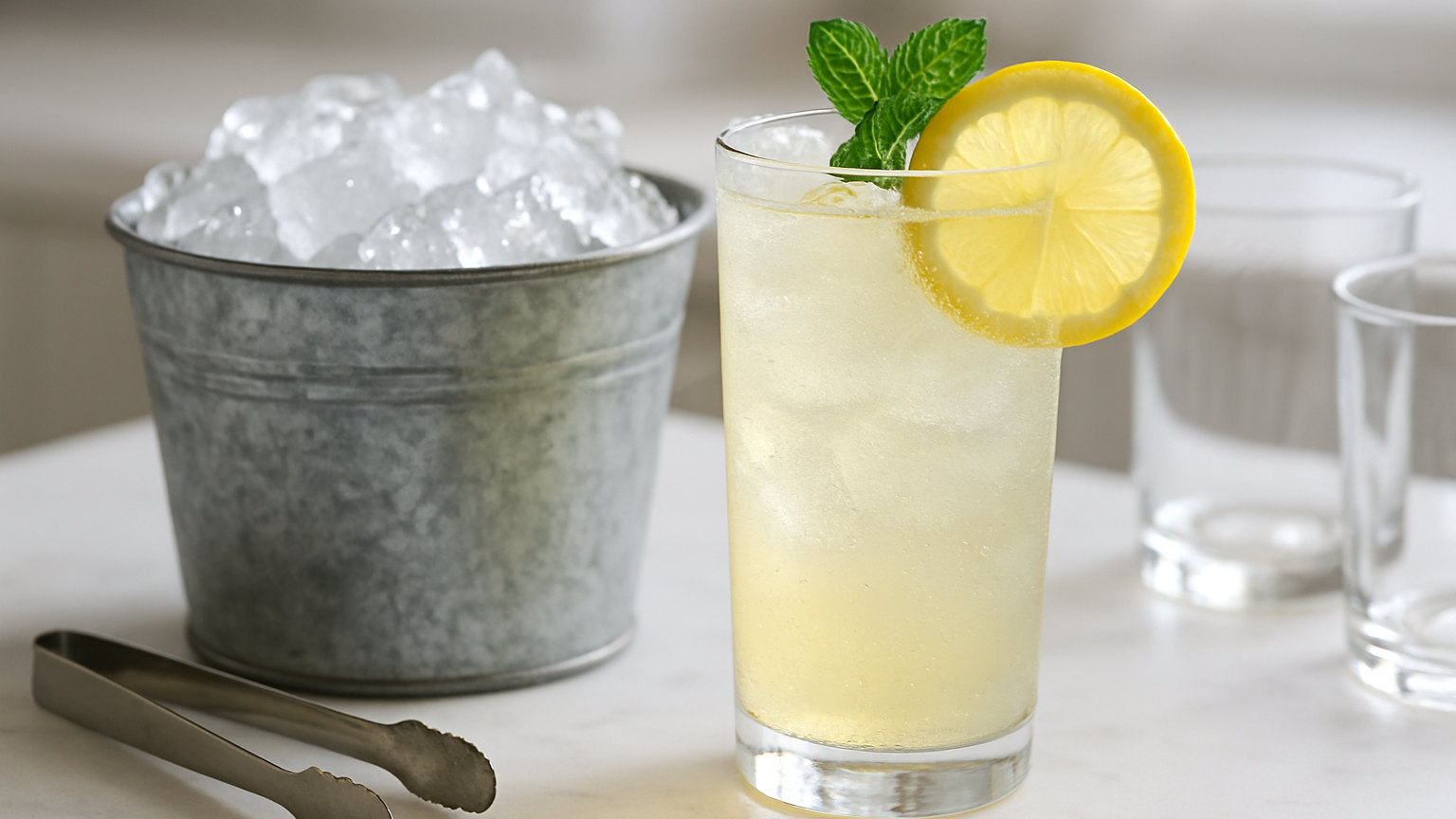
Put out an ice scoop or tongs. Using a glass to scoop ice is how glasses get chipped, and a chipped rim is a hazard.
Never use hands, which is a hygiene point rather than a fussy one.
Put the ice near the drinks rather than in the kitchen, so people are not crossing the room.
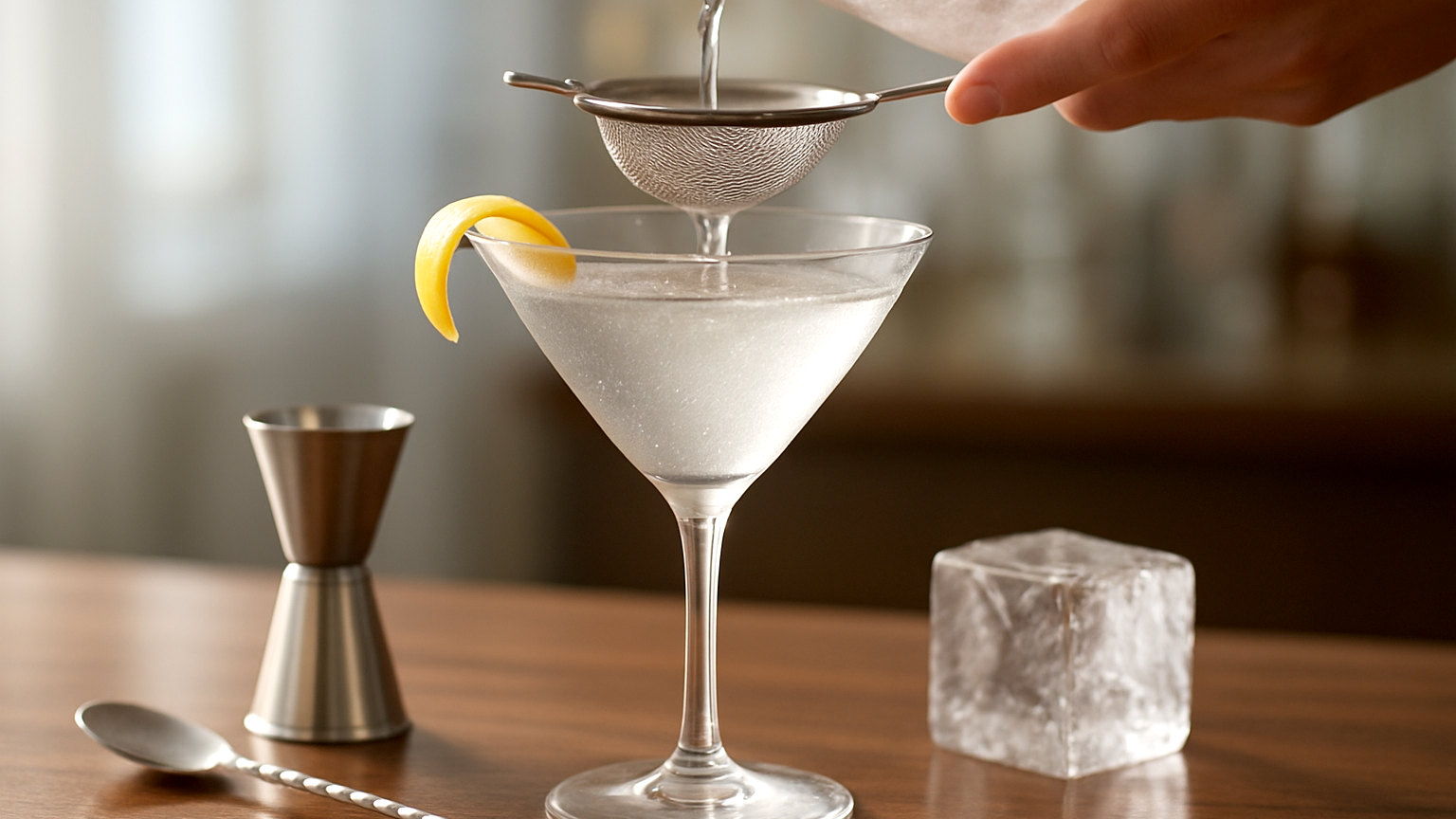
Keep a small quantity of large cubes separate if you are serving anything spirit-forward, since standard bagged ice is small and dilutes fast.
Transporting it
Buy it as late as possible and take it straight home.
A cool box in the car is worth the trouble on a warm day. Bags in a boot for an hour will produce a substantial amount of water.
If you are collecting it well in advance, a freezer will hold a few bags, which is worth doing for the drinking ice while leaving the chilling ice to be bought on the day.
The night before
Make a large ice block if you are serving punch, which melts far more slowly than cubes and keeps the bowl cold without diluting it to nothing.
Freeze water in a plastic container or a cake tin overnight, and add citrus slices or berries in layers if you want it to look good.
Clear space in the freezer for whatever you are making, since a domestic freezer full of food will not freeze anything substantial.
Afterwards
Leftover unopened bags of ice keep indefinitely in a freezer and are worth holding onto.
Ice that has been in a tub of water with bottles is not worth saving and should be poured away.
Drain any melted ice outside rather than into a sink full of glassware, since the temperature shock can crack glass.
Timing the purchase
Buy ice on the day, as late as possible, and keep it in a cool box rather than a freezer that will be opened repeatedly.