Cocktail garnishes have become considerably more elaborate over the past decade, driven partly by genuine craft and partly by photographs. Whether the effort is justified depends on what the garnish is doing.
Presentation genuinely matters
Worth conceding at the outset, since dismissing it as superficial misses something real.
Research across food and drink has consistently found that appearance influences how people rate what they are consuming.
A drink that looks considered is enjoyed more than the same liquid served carelessly. That is how perception works rather than a failure of the taster.
So a garnish that contributes nothing sensory is still doing something, and the enjoyment is the outcome you are after.
Where the line sits
The problems start when the garnish begins interfering.
Anything that has to be removed before you can drink has gone too far.
Anything that gets in the way of the nose, which is where the aroma is meant to arrive, is working against the drink.
Anything that falls into the glass, sheds, or makes the drink difficult to hold is a nuisance rather than a flourish.
And anything that takes longer to construct than the drink took to make is a questionable allocation of attention in most settings.
The garnishes worth the effort
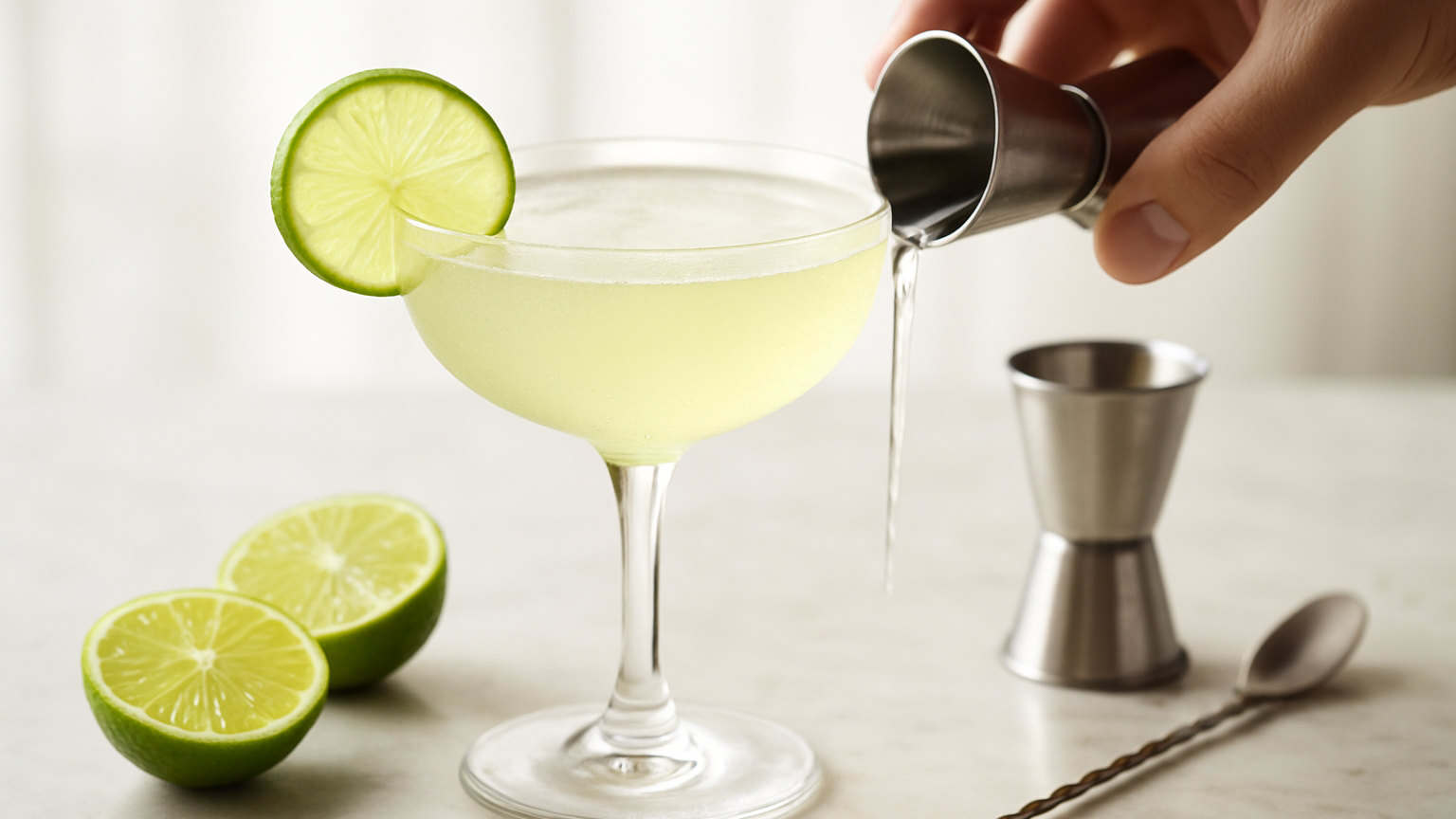
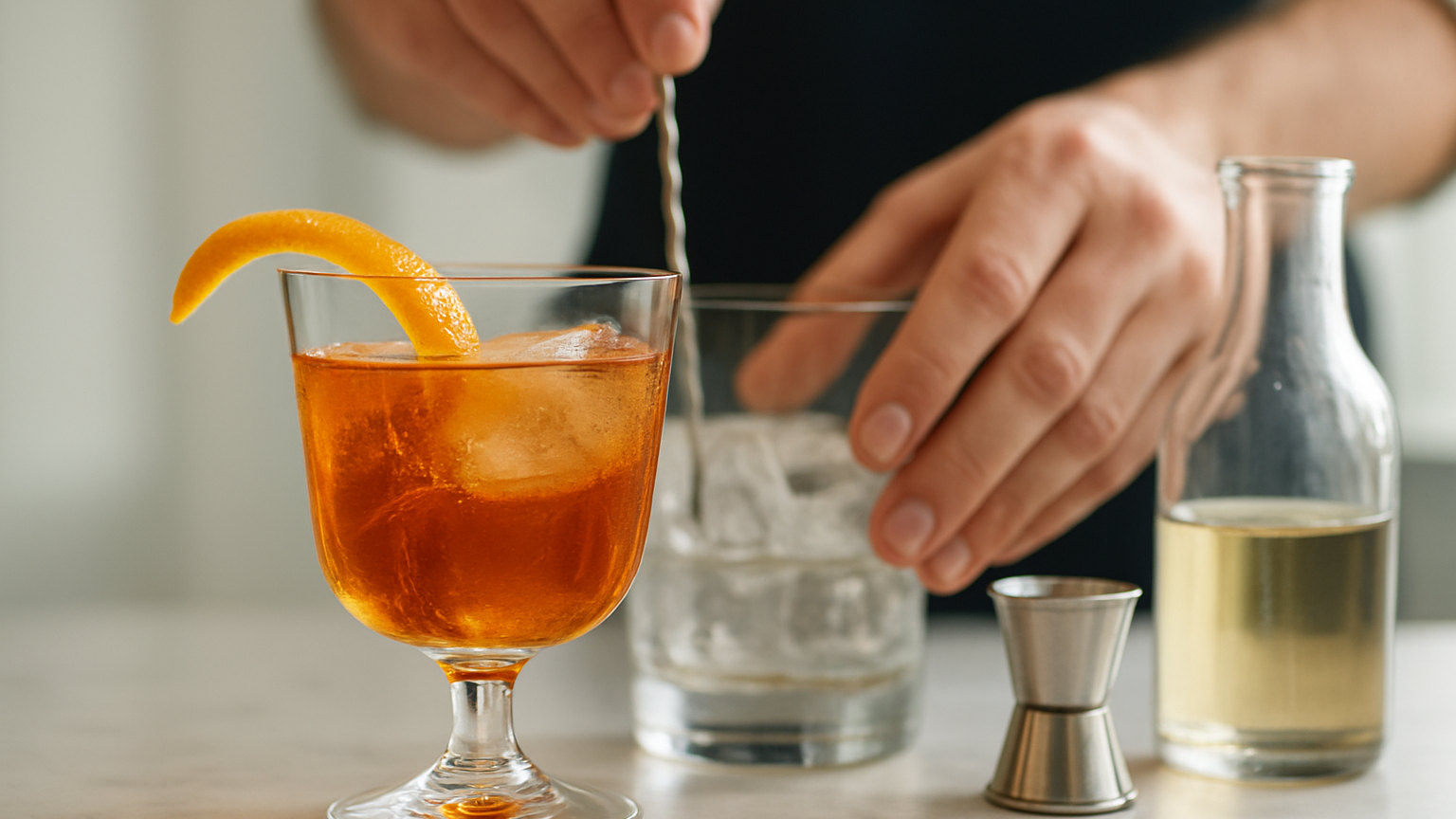
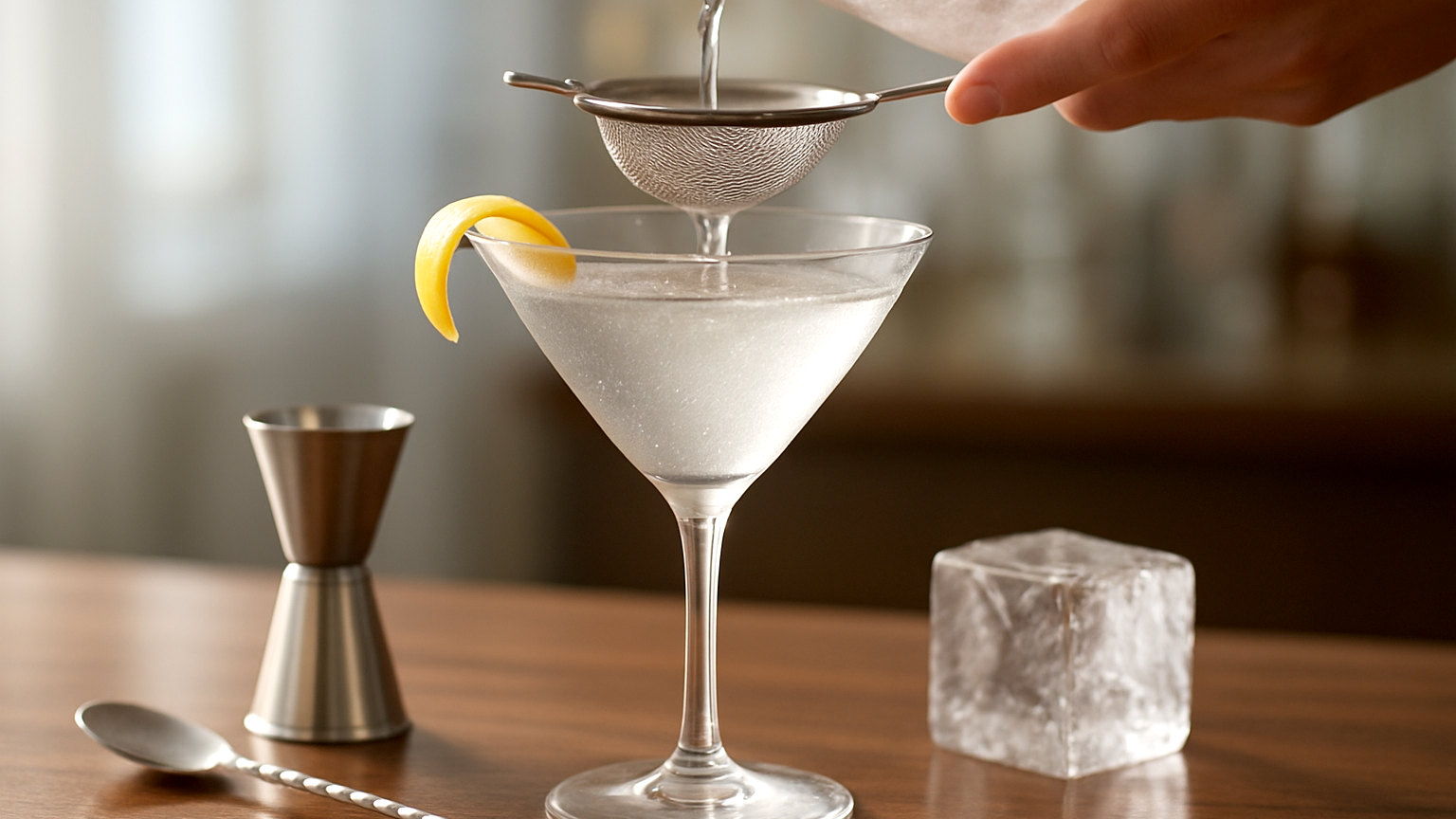
A well cut citrus twist, expressed properly, which takes ten seconds and changes the drink.
A generous mint bunch on a julep, positioned so the drinker's nose is in it.
A dehydrated citrus wheel, which looks striking, keeps for months and requires no work on the day.
A neat cocktail cherry, which is eaten and therefore genuinely part of the drink.
A grating of nutmeg, which is entirely aromatic.
The ones that are decoration
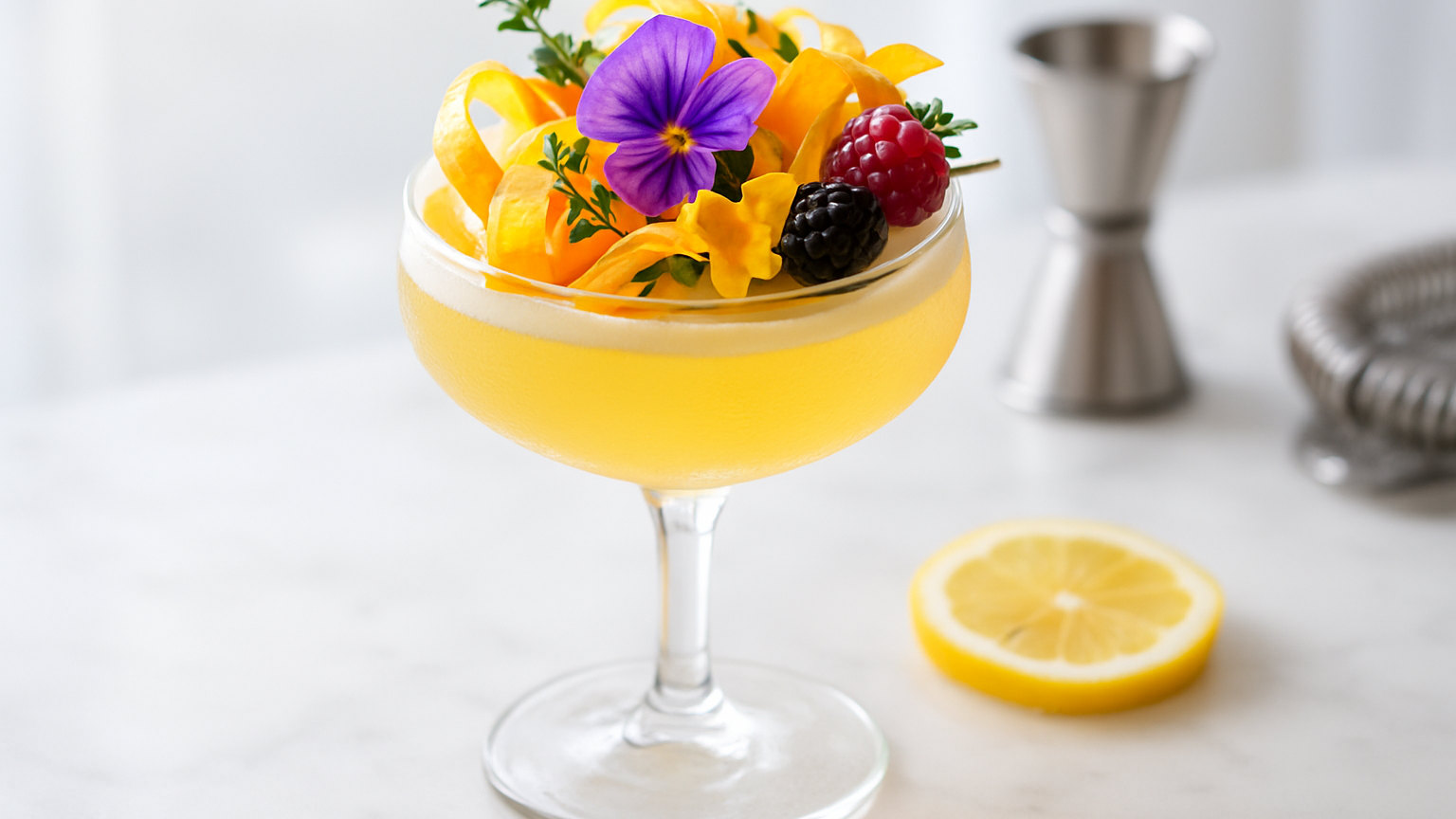
Edible flowers, unless they have a scent, which most do not.
Elaborate fruit constructions, fans and towers.
Anything on a long stick balanced across the rim.
Dusted patterns and stencilled designs on a foam, which look excellent and taste of nothing.
None of these is objectionable. They are simply doing a visual job, and it is worth being clear about that rather than pretending otherwise.
The photography effect
A substantial driver of the trend, and it pulls in a specific direction.
A garnish designed for a photograph is optimised for how it looks from above at a distance, which is not the same as how it works for someone holding the glass.
That produces tall constructions, dramatic angles and things that look better than they drink.
Bars aware of this tend to keep the elaborate presentations for a few signature drinks and garnish the rest functionally.
At home
The realistic position is that one functional garnish per drink is worth doing and anything beyond is for occasions.
An expressed peel on a negroni takes ten seconds and improves it. A three-part construction on the same drink takes five minutes and improves how it looks.
When serving guests, the second is a reasonable thing to spend time on, since presentation is part of hospitality.
On a weekday, the first is enough.
Waste
Worth mentioning, since elaborate garnishes generate a great deal of it.
Fruit cut for appearance and discarded uneaten is a real cost, and bars have become more conscious of this.
Using peel before juicing, dehydrating trimmings and choosing garnishes that get eaten all reduce it substantially.
A garnish that goes straight in the bin is the clearest sign that it was doing nothing.
The reasonable summary
Garnish for aroma first, since that is the part that changes the drink.
Garnish for appearance when it suits the occasion, which is a legitimate reason.
And stop when it starts getting in the way, which is the only rule that genuinely matters.
Where the trend came from
Partly genuine craft and partly the fact that drinks are photographed far more than they used to be.
A garnish optimised for a photograph is designed for how it looks from above at a distance, which is not the same as how it works for someone holding the glass.
Recognising that is useful, since it explains why some bar presentations look better than they drink.