
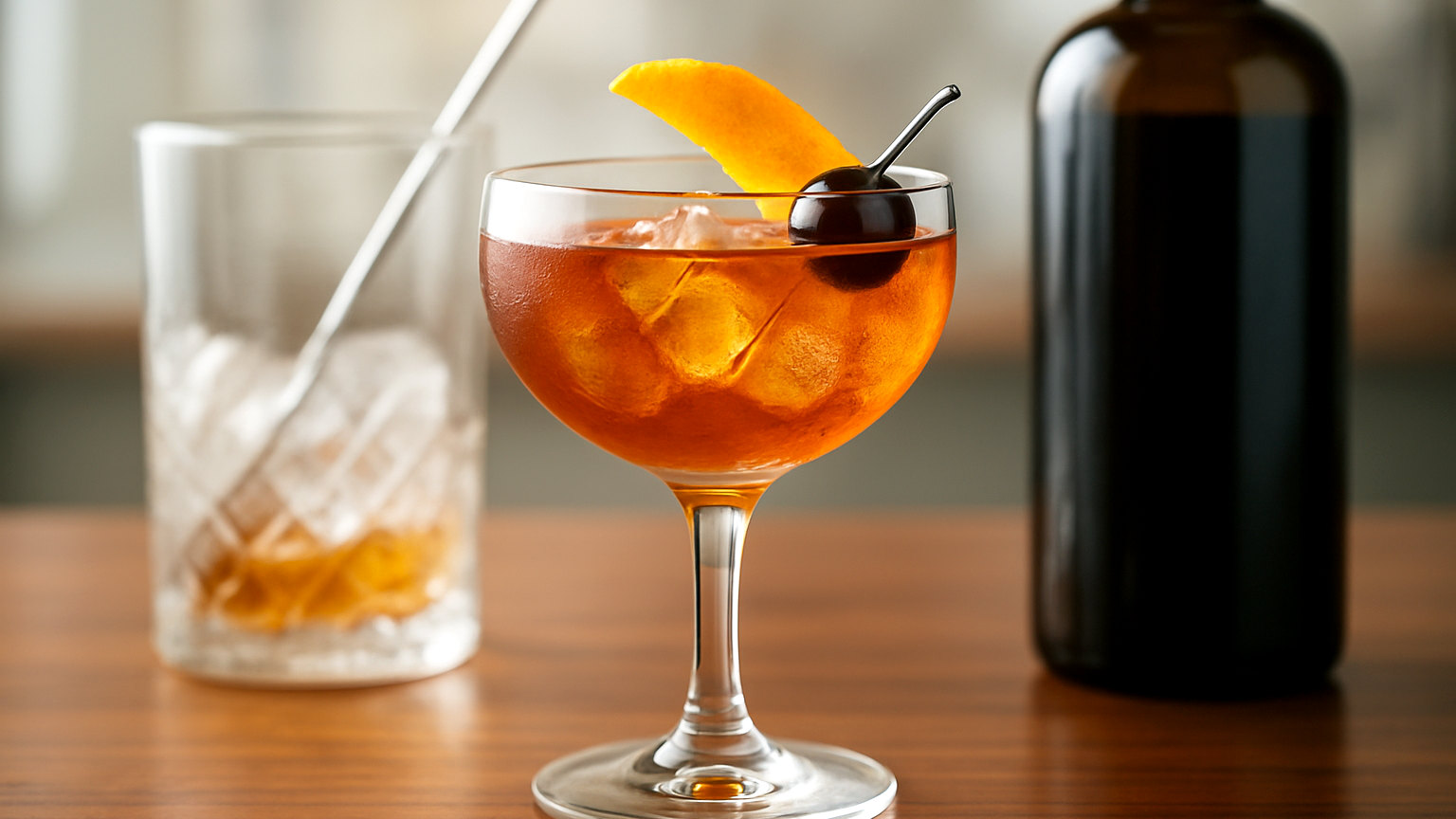
Amaro means bitter in Italian, and it describes a family of herbal liqueurs made by infusing botanicals into a spirit or wine base and sweetening the result. They appear in a striking proportion of modern cocktails, and the reasons are practical.
What they contribute
Bitterness first, which is the flavour modern drinking has rediscovered after decades of sweetness. Bitter compounds add length and complexity, and they prevent a drink being cloying.
Complexity second. An amaro may contain twenty or forty botanicals, so a single measure adds herbs, roots, citrus peel and spice that would otherwise require a shelf of ingredients.
Lower strength third, which matters more than it sounds. Most amari sit between sixteen and thirty five per cent, well below a spirit, so replacing part of the base with amaro reduces the alcohol while adding flavour rather than diluting it.
And a distinctive character that is difficult to achieve any other way, since the recipes are proprietary and each brand tastes of itself.
The main styles
The category is wide, and describing a drink as containing amaro without specifying which is close to useless.
Light and citrus-forward amari, made on a grappa or wine base, are gentle and orangey, and they suit drinks where the bitterness should support rather than lead.
Medium amari are the everyday category: caramel, cola and herbal notes with moderate bitterness, and they work in whiskey drinks and as digestivi.
Artichoke-based amaro is vegetal and savoury, with a distinctive earthiness, and it makes excellent long drinks with soda.
Alpine amari carry pine, mint and mountain herb character and are drier than most.
Fernet is the extreme end: intensely bitter, heavily mentholated and divisive, and it is used in small measures rather than as a main component.
Red bitter aperitivi, the negroni ingredient, sit adjacent to the category and are generally lighter and more citrus-driven.
How they are used
As a modifier in a spirit-forward drink, replacing part of the vermouth in a manhattan or the base in a boulevardier.
As one component in an equal parts drink, where the paper plane and the naked and famous both use one.
Lengthened with soda over ice, which is how they are drunk in Italy and which produces a refreshing low-strength drink in about ten seconds.
And neat after a meal, which is the traditional use and the reason the category exists.
Substituting between them
Possible with care, and not a straight swap.
Match the weight first: a light citrus amaro cannot replace a dark bitter one without changing the drink completely.
Adjust the quantity second, since bitterness varies enormously. A recipe calling for 22 millilitres of a gentle amaro may need 15 of something more assertive.
And adjust the sweetener, since sugar levels differ substantially across the category.
The practical approach is to taste any new amaro on its own before putting it in a drink, so you know whether it is closer to caramel or to mouthwash.
Building a small collection
Three bottles cover most modern recipes: a light citrus-forward amaro, a medium caramel-and-herb one, and a red bitter aperitivo.
Fernet is worth adding if you enjoy it and is not required for many recipes.
They keep well. Sugar and alcohol together make these liqueurs stable, and an open bottle will be fine for a year or more, though the brightest aromatics fade and refrigeration slows that.
Given how many drinks a single bottle unlocks, they are among the better value purchases for a home bar.
The Italian ritual
Amari are traditionally drunk after a meal as a digestivo, served neat at room temperature or lightly chilled in a small glass.
The claim that they aid digestion is traditional rather than established, and bitter compounds do stimulate saliva and gastric secretion, which is presumably where the belief originated. Anyone with a digestive complaint should raise it with a doctor rather than with a bottle.
As a way to finish a meal it is a pleasant habit and a considerably smaller measure than a cocktail, which is part of its appeal.


