
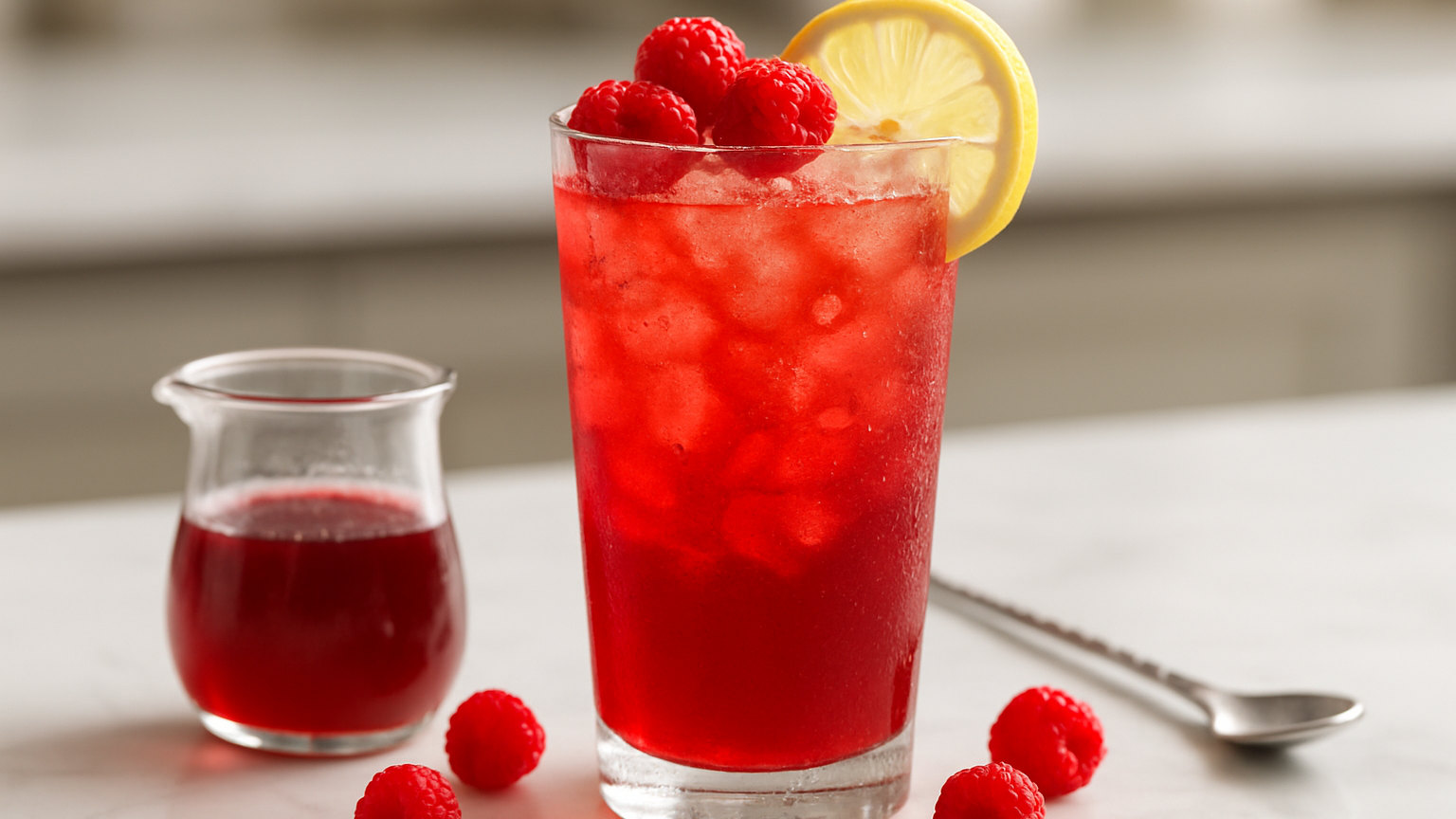
A shrub is fruit, sugar and vinegar combined into a syrup. It provides acidity, sweetness and fruit flavour in a single ingredient, and it keeps for months, which is why it existed long before anyone thought of it as a cocktail component.
Where it came from
Before refrigeration, vinegar was a practical way to preserve fruit. Combining fruit with sugar and vinegar produced a concentrate that kept through winter and could be diluted with water for a refreshing drink.
The practice appears across a great many cultures under different names, and versions of it were common in Britain and colonial America. The modern cocktail use is a revival rather than an invention.
Making one cold
The cold method produces a fresher, brighter result and takes days rather than minutes.
Combine chopped fruit with an equal weight of sugar in a bowl, stir, cover and refrigerate for one to two days. The sugar draws liquid out of the fruit, producing a syrup.
Strain, pressing the fruit gently. Add vinegar to taste, starting at around half the volume of the syrup and adjusting.
Bottle and refrigerate. It improves over the following week as the vinegar's harshness mellows, and keeps for several months.
Making one hot
Faster and slightly cooked in character.
Simmer fruit with sugar and a little water until the fruit breaks down, strain, then add vinegar off the heat.
The result is deeper and less fresh, which suits robust fruit such as plums, figs and berries better than delicate ones.
Choosing the vinegar
Apple cider vinegar is the default and works with almost everything. Its own fruitiness complements rather than competes.
Sherry vinegar is excellent with stone fruit and gives a nuttier, more complex result. Champagne and white wine vinegars are lighter and suit delicate fruit. Balsamic is strong and works with strawberry and fig in small quantities.
Malt vinegar is generally too assertive.
Whatever you use, the quantity is the variable to adjust, and a shrub should taste sharp and fruity rather than of vinegar.
Using it
In a cocktail, treat it as a partial replacement for both the citrus and the syrup in a sour. A starting point is to substitute the syrup entirely and reduce the citrus by a third, then taste.
It works particularly well with spirits that citrus overwhelms. A shrub with whisky, aged rum or brandy gives acidity and fruit without the sharp lemon character that can sit awkwardly against an aged spirit.
Shrub with soda water over ice is a genuinely good non-alcoholic drink, and it is worth making for that reason alone. Two parts shrub to eight parts soda is a reasonable starting ratio.
It also works with sparkling wine, which is an easy way to make something interesting with almost no effort.
Related ingredients
Acid-adjusted cordials do a similar job differently, using citric and malic acid to build acidity into a fruit syrup without vinegar. They taste closer to citrus and lack the shrub's fermented depth.
Oxymel, honey and vinegar, is the ancient relative and works well in whisky drinks.
Verjuice, the juice of unripe grapes, provides gentle acidity with no vinegar character and is worth knowing about for drinks where lemon would be too sharp.
Why bother
Two practical reasons. Shrubs keep for months where fresh citrus lasts hours, which makes them useful for batching and for having something acidic permanently available.
And they taste different from citrus rather than merely substituting for it. Vinegar acidity has a rounder, more savoury quality, and a shrub sour is recognisably its own thing rather than a lemon sour with fruit in it.
Fruit to start with
Raspberry and strawberry are the easiest and produce immediately appealing results. Blackberry and blackcurrant are deeper and suit whisky and aged rum.
Peach, apricot and plum work particularly well with sherry vinegar. Rhubarb makes an excellent spring shrub with a light vinegar.
Pineapple is unexpectedly good and pairs with rum. Apple with cider vinegar is straightforward and useful through autumn, when the fruit is cheap and plentiful.


