
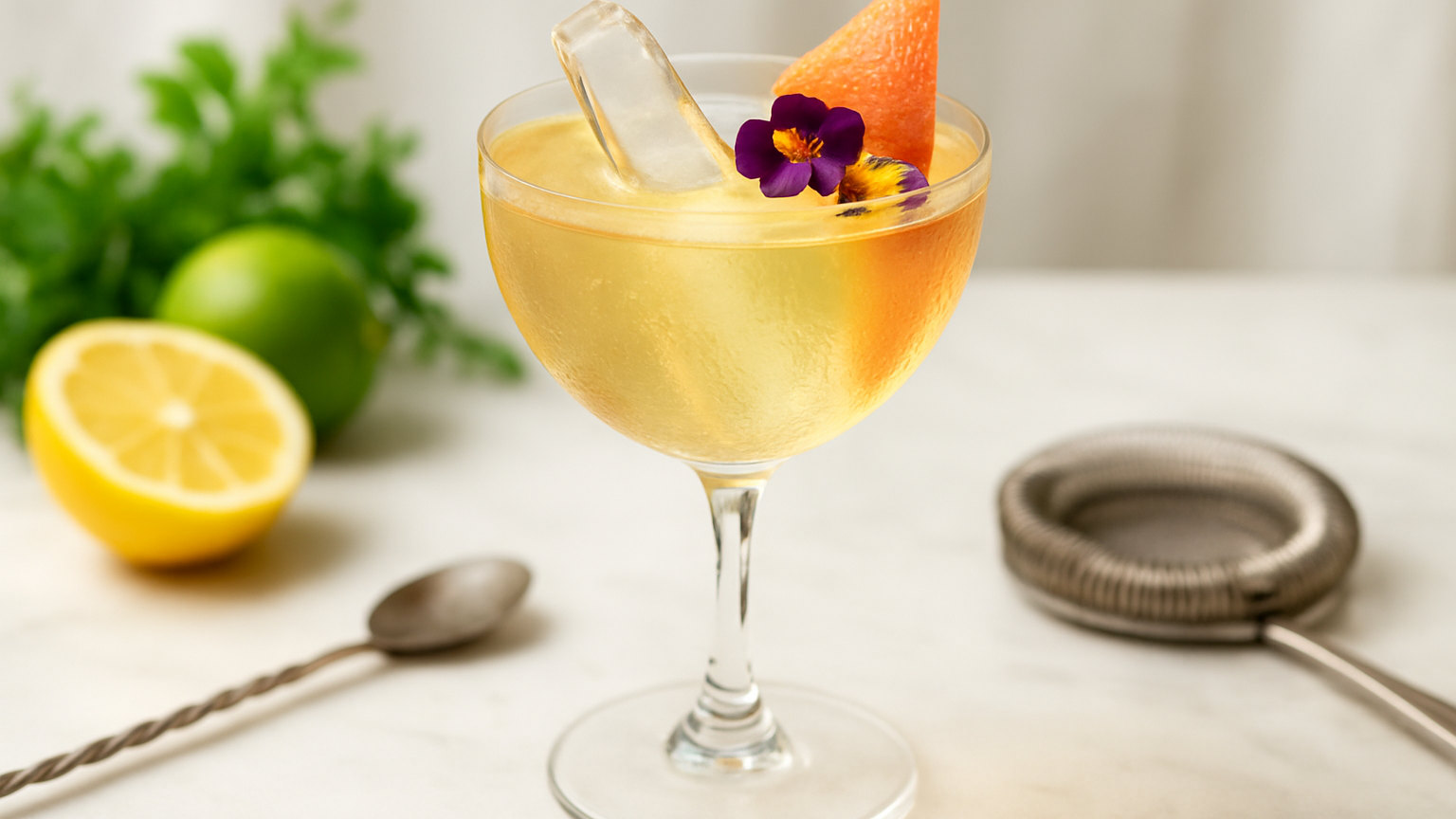
A non-alcoholic cocktail at eight or nine pounds, next to an alcoholic one at eleven, strikes a good many people as unfair. The complaint is reasonable and so is part of the answer, which is worth setting out on both sides.
The case for the price
Labour is the same. A bartender spends the same time, uses the same equipment and applies the same skill making a non-alcoholic drink as an alcoholic one, and frequently more, since the recipes are harder to balance.
Ingredients are not necessarily cheaper. Fresh juice, house-made syrups, infusions and quality mixers cost real money, and a drink using three house preparations may cost more to produce than one built on a mid-range spirit and a liqueur.
Non-alcoholic spirits are expensive, frequently priced close to genuine spirits despite carrying no duty.
Overheads are identical. Rent, staff, glassware, ice, service and everything else applies regardless of what is in the glass, and a bar's pricing has to cover those.
And the alternative pricing model is worse. A bar that charges very little for non-alcoholic drinks is signalling that they are an afterthought, and it will usually be right.
The case against
Duty is a genuine difference. A substantial share of the cost of an alcoholic drink is tax, and a non-alcoholic version carries none of it. Charging almost the same price captures that saving as margin.
Some non-alcoholic drinks are genuinely cheap to make. A drink built on juice, syrup and soda has an ingredient cost of pennies, and charging eight pounds for it is difficult to defend.
Non-alcoholic spirit pricing is itself contested, and passing it through without comment does not settle the question.
There is also a fairness argument. Someone who is not drinking for reasons of health, pregnancy, faith or recovery is not choosing a cheaper night out and should not be paying a premium for the privilege of participating.
Where the price is justified
Look at what is in the drink. A cocktail built on a house-made shrub, a fresh juice, a syrup infused that morning and a proper garnish represents real work.
Bars with a genuine non-alcoholic section on the menu, listing ingredients and technique, are generally charging for something.
Bars listing three fruit juice combinations at cocktail prices are generally not.
What to do about it
Ask what is in it. A bartender will happily explain, and the answer tells you whether you are paying for craft or for the assumption that you will not complain.
Order differently. A good tonic with a large garnish, a bitter soda over ice, or a sparkling tea often costs far less and can be a better drink than a mediocre non-alcoholic cocktail.
And say something where it is warranted. Feedback about pricing is more useful to a bar than quietly not returning, and several have adjusted their approach in response to exactly this criticism.
The direction of travel
The category has grown quickly and pricing is still settling. Some venues now price non-alcoholic drinks noticeably below their alcoholic equivalents while keeping the same quality, which is a reasonable position and increasingly common.
Others have gone further and made a point of it, treating good non-alcoholic drinks at a fair price as a matter of hospitality rather than as a market opportunity.
That seems the right end point. A drink should be priced for what goes into it, and a guest who is not drinking should not be paying for the absence of duty.
Value at home
The contrast with making these drinks yourself is stark, and it is the strongest argument for learning to.
A batch of tea, citrus and home-made syrup serving fifteen people costs a few pounds in total. The equivalent bought as individual drinks in a bar would run into three figures.
That does not make bar pricing unreasonable, since you are paying for premises, service and skill in both cases. It does mean that anyone drinking less has more to gain from a couple of good recipes than from any bottle on the shelf.


