
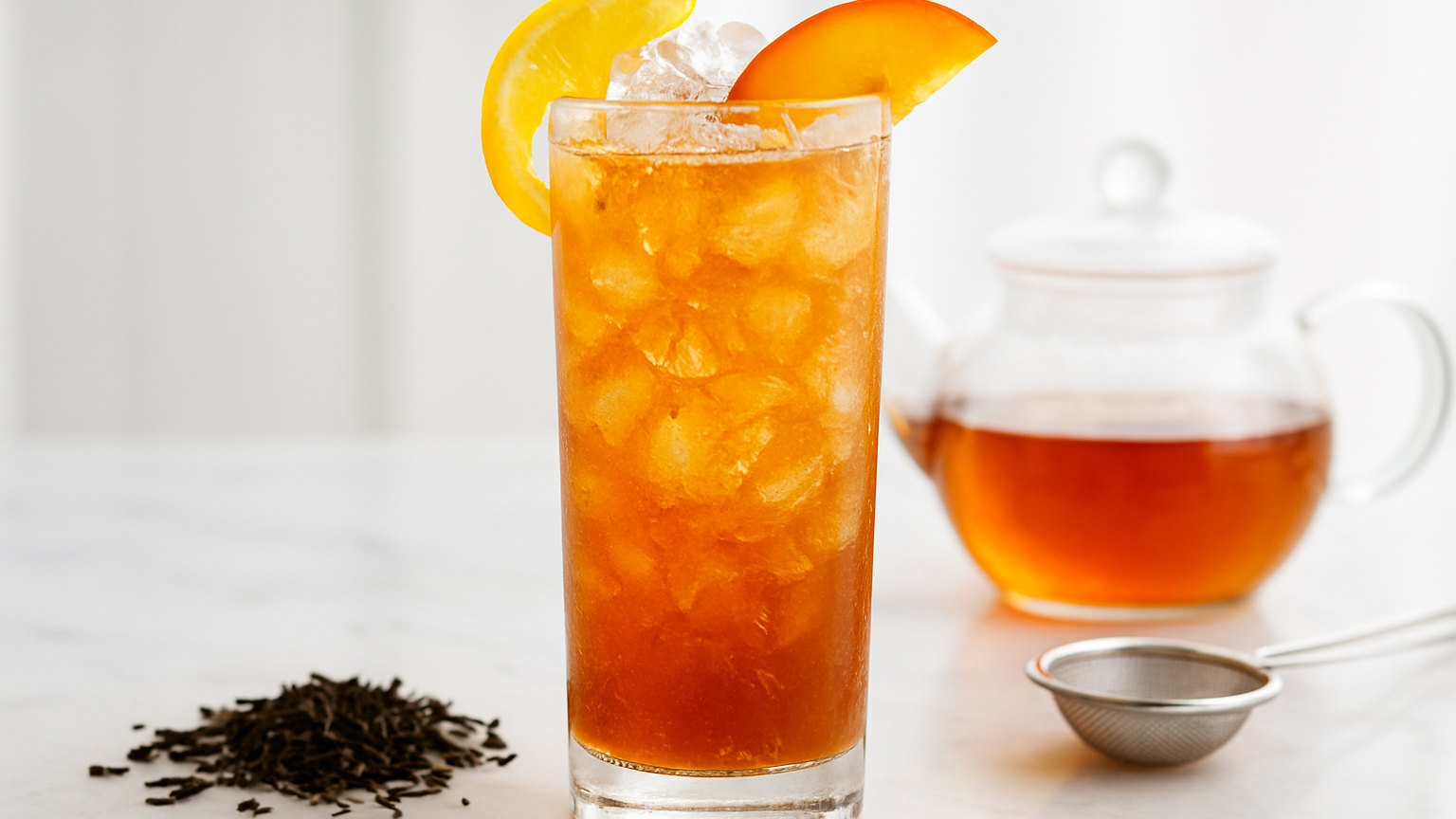
If a non-alcoholic drink needs one ingredient it does not have, it is usually structure, and tea is the cheapest and most effective source of it. A box of teabags will improve more drinks than any bottle in the category.
What tea contributes
Tannin, which produces a drying, astringent sensation on the palate. That astringency reads as structure and length, and it is the closest thing to what alcohol provides at the finish of a drink.
Bitterness, which gives a drink an adult character and prevents sweetness dominating.
Aroma, which varies enormously by type and can supply smoke, flowers, citrus or malt.
And colour, which matters more than it should for how a drink is received.
The main types and what they do
Black tea gives the most tannin and the firmest structure. Assam is malty and robust, Ceylon is brighter and more citrusy, and Earl Grey brings bergamot aroma that suits citrus drinks particularly well.
Green tea is delicate and vegetal, and it turns unpleasantly bitter if brewed too hot or too long. Brew it at around eighty degrees for two minutes and treat it gently.
Lapsang souchong is smoked over pine and is the single most useful tea in this category. It supplies the smoke that a peated whisky or a mezcal would contribute, and a small quantity goes a long way.
Oolong sits between green and black, with stone fruit and floral character.
Hibiscus, which is not strictly tea, is sharply acidic with a cranberry quality and a deep red colour. It supplies sourness as well as flavour, which makes it unusually valuable.
Rooibos is caffeine-free, sweet and woody, and it suits spiced drinks.
Jasmine and other scented teas bring floral aroma to drinks that are otherwise short of it.
How to brew it for drinks
Deliberately stronger than you would drink it. Tea in a cocktail is an ingredient rather than a beverage, so it will be diluted by everything else in the glass.
Three or four bags in 200 millilitres of water for five minutes produces a concentrate that can be measured like a syrup. Cool it before use.
Cold brewing, steeping tea in cold water for six to twelve hours in the fridge, extracts less tannin and produces something smoother and sweeter. That is useful where you want tea flavour without astringency, and it is the opposite of what most non-alcoholic drinks need.
Tea syrup, made by brewing strong tea and dissolving sugar into it, is the most convenient form and keeps in the fridge for a couple of weeks.
What to watch
Over-brewing is the main risk. Tea left too long becomes harshly astringent and bitter in an unpleasant way rather than a structural one, particularly green tea.
Tannin also reacts with milk and with some proteins, so tea-based drinks and dairy need care.
Caffeine is worth mentioning, since a drink built on strong tea concentrate can contain a meaningful amount. For an evening drink, rooibos, hibiscus or a decaffeinated tea avoids the problem entirely, which matters for anyone sensitive to it.
Drinks to try
Strong black tea with lemon, honey syrup and an aquafaba foam is a convincing non-alcoholic sour.
Lapsang souchong with ginger syrup, lemon and soda produces something smoky and warming.
Hibiscus with lime, a little sugar and sparkling water is bright, sharp and requires no other ingredients.
Cold green tea with cucumber, mint and tonic is a light aperitif.
Earl Grey with orange peel, honey and soda works particularly well in colder weather.
All five cost pennies, which is the argument for learning to use tea before buying anything else.
Loose leaf or bags
Bags are perfectly adequate for this purpose and considerably more convenient, since the tea is being used as an ingredient rather than appreciated on its own.
Loose leaf gives more control and generally better quality, particularly for green tea and oolong where the leaf grade matters. For lapsang souchong and hibiscus, where the point is a single assertive character, either works.
Whichever you use, buy small quantities and keep them airtight and dark, since tea stales and a box that has been open for two years will taste of very little.


