
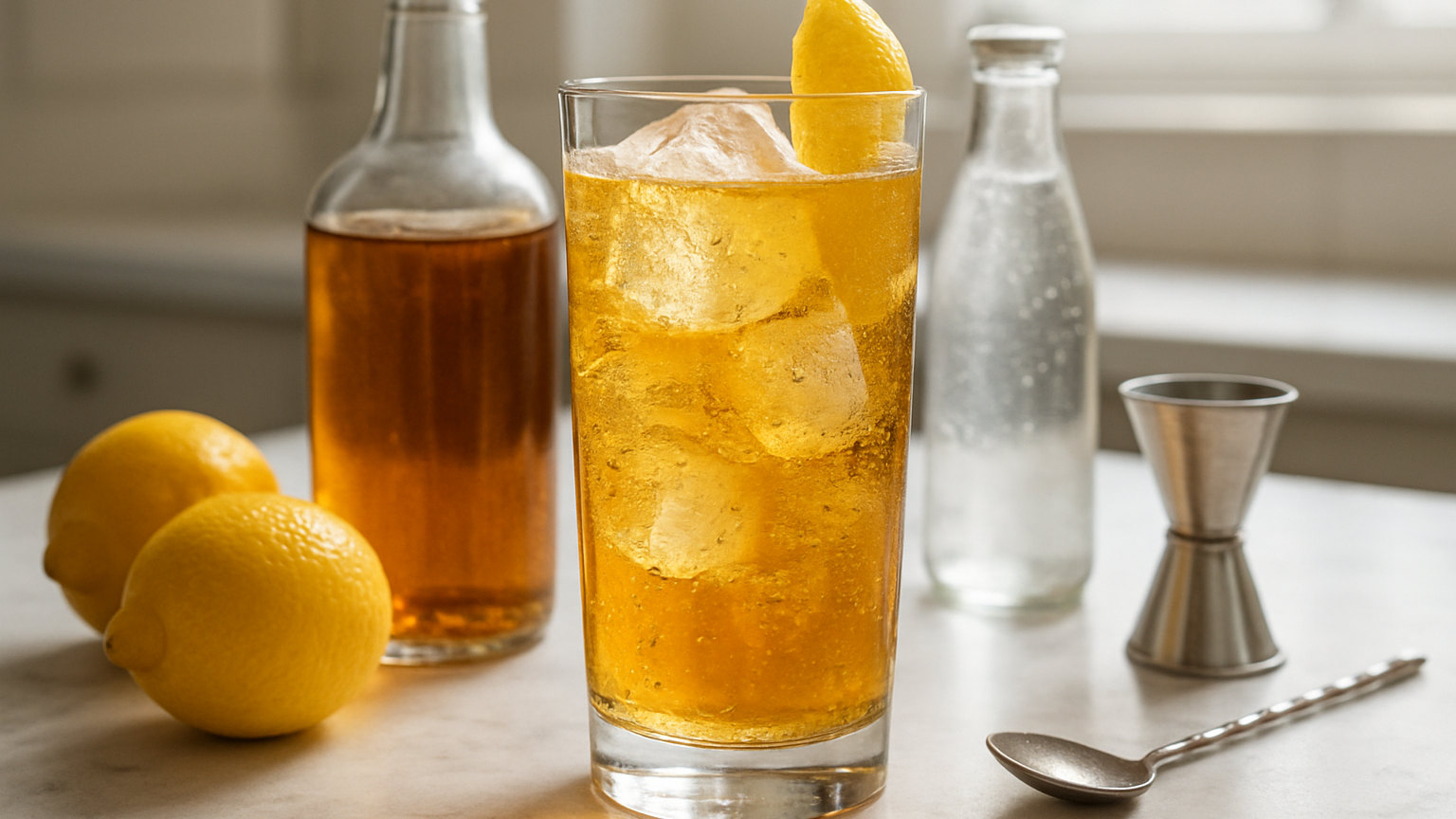
A home bar goes wrong in the same way most of the time: a shelf of bottles bought for a single recipe, most of them opened once, and no fresh citrus in the house when someone wants a drink.
A smaller, better chosen set produces far more good drinks.
The spirits
Four cover almost everything.
A London dry gin, which is the most versatile bottle you can own for long drinks.
A blended Scotch or Irish whiskey for highballs, where a lighter style works better than a heavily peated one.
An aged rum, three to five years old, which is more useful than white rum since it works with cola, ginger beer and soda equally.
A blanco tequila made from one hundred per cent agave, for palomas and anything with grapefruit.
Vodka is optional. It contributes little flavour, which makes it useful when the mixer is the point and unnecessary otherwise.
The bottles that are not spirits
These do more work than an extra spirit would.
A red bitter aperitivo, which makes spritzes, americanos and negronis and adds bitterness to almost anything.
Sweet vermouth, kept in the fridge and bought in small bottles, since it is wine and goes stale within weeks.
Aromatic bitters, which last for years and change a drink for a few drops.
An amaro if you enjoy bitterness, which opens up a great many drinks.
The mixers
Buy small bottles or cans rather than large bottles, since carbonation is lost within a day or two of opening and a flat mixer ruins a drink.
Tonic, soda water and ginger beer cover most requirements. Grapefruit soda is worth adding if you drink tequila.
Keep them cold, since a warm mixer over ice loses its bubbles on contact.
The fresh things
This is the part most people skip and it matters more than any bottle.
Lemons and limes, always. Bottled juice is a different ingredient and a considerably worse one.
Sugar syrup, which is equal weights of sugar and water stirred until dissolved, kept in the fridge and made in five minutes.
Mint if you have anywhere to grow it, since it improves a great many drinks and is expensive to buy in the quantities needed.
The equipment
A jigger, which is the most important item on the list. Free pouring is where home drinks go wrong, both for balance and for strength.
A citrus squeezer, a bar spoon and a small sieve.
A silicone mould for large ice cubes, which costs a few pounds and improves every drink.
Tall glasses that hold a decent volume, since the single largest improvement available is filling the glass with ice, and that requires a glass with room for it.
A shaker is worth having and is not needed for long drinks, most of which are built in the glass.
What to skip
Novelty liqueurs bought for one recipe, which sit unopened for years.
Flavoured spirits, which are generally sweet and limit rather than expand what you can make.
Large bottles of mixer, for the reasons above.
Premium soda water, which is carbonated water.
The order to buy in
Start with a jigger, a bag of lemons and limes, a bottle of gin, small cans of tonic and a tray of ice. That produces a genuinely good drink on the first evening.
Add the aperitivo and the vermouth next, which between them unlock spritzes, americanos and negronis.
Everything after that is expansion rather than foundation, and it is worth adding slowly and only when a specific drink calls for it.
Storage
Spirits keep for years unopened and for a long time once opened, though the aromatics fade slowly. Keep them upright, out of sunlight and away from heat.
Vermouth and any wine-based product belong in the fridge and should be used within a month or two, which is the most commonly ignored rule in home drinking.
Syrups belong in the fridge and last a few weeks. Mixers belong in the fridge and should be bought in small formats.
And ice belongs in a sealed bag rather than an open tray, or it will taste of the freezer and so will everything you put it in.


