
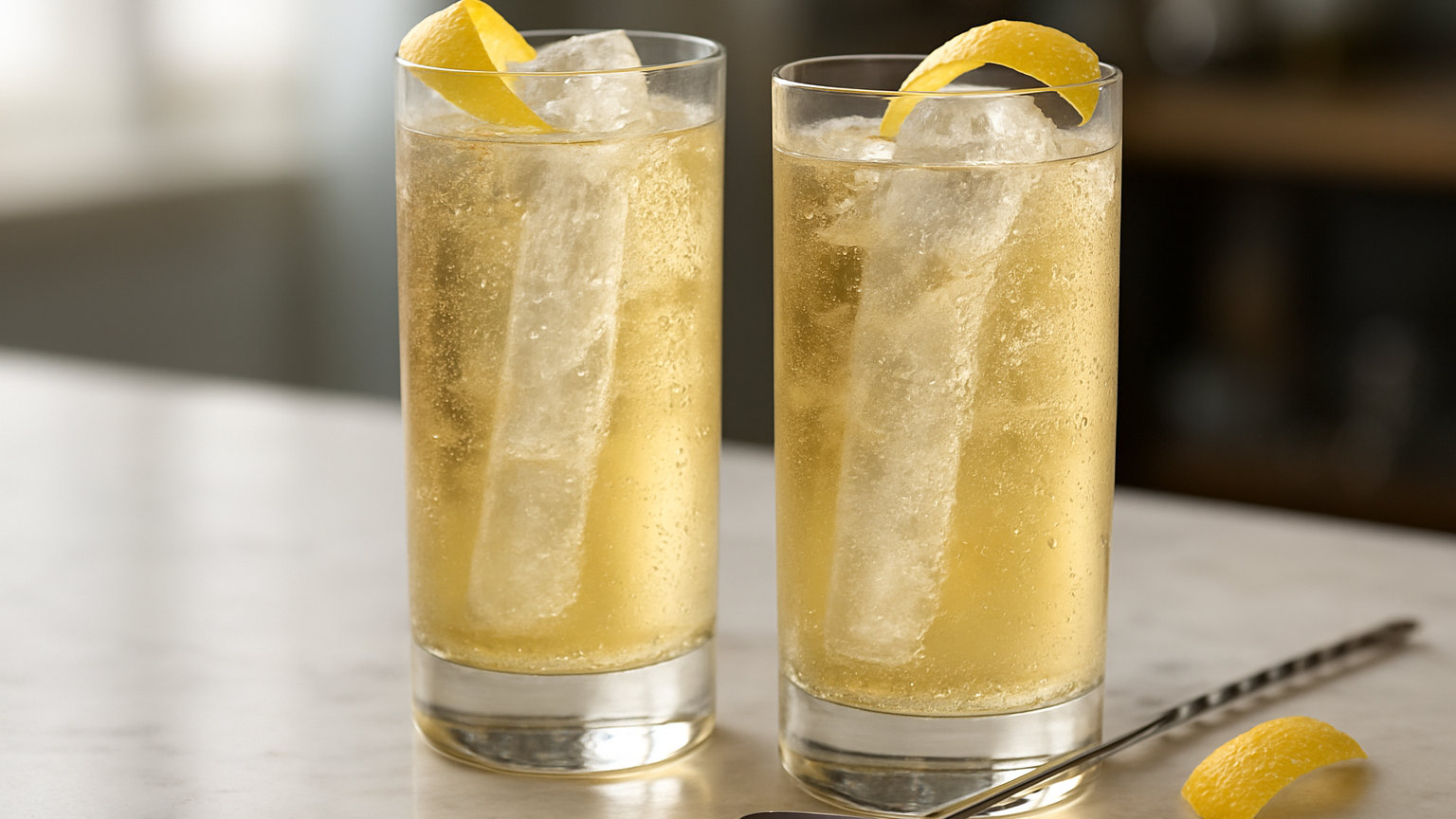
A can of premium tonic can cost several times what a supermarket own-label bottle costs, in a drink where the tonic is seventy per cent of the volume. It is a fair question whether the difference justifies it.
What actually differs
Four things, and they are real rather than notional.
Sweetener. Premium mixers generally use cane sugar; cheaper ones frequently use high fructose syrup or artificial sweeteners, which have a different mouthfeel and, in the case of some sweeteners, a distinct aftertaste.
Quinine and flavourings. Some producers use natural quinine and botanical extracts; others use synthetic flavourings. The difference is detectable, though not always in the direction people expect.
Carbonation. Premium mixers tend to be more highly carbonated with finer bubbles that last longer in the glass. This is one of the more noticeable differences in practice.
Packaging. Small bottles and cans stay fresh, where a large bottle goes flat within a day or two of opening. This is arguably the largest practical difference of all and has nothing to do with the liquid.
Where it matters most
In drinks where the mixer is a large proportion and there is nothing else providing structure.
A gin and tonic made with a good gin shows the tonic clearly. A rum and cola does not, since cola dominates regardless.
It also matters more with delicate spirits. A subtle floral gin is easily buried by an aggressive tonic, while a navy strength gin will make itself heard whatever you use.
Where it matters less
Anywhere the mixer is not the point. A long drink with fresh citrus, a syrup and a spirit with character has plenty happening, and the soda is providing carbonation rather than flavour.
Soda water in particular is close to interchangeable between brands, since it is carbonated water with perhaps a trace of mineral salts. Buying premium soda water is the least defensible purchase in the category.
At a party, where drinks are made quickly and drunk in company, the difference is real and small enough that quantity and coldness matter more.
The format question
The most useful advice is not about brand at all.
Buy small bottles or cans rather than large bottles. A 150 or 200 millilitre bottle is one drink, and it is fully carbonated when opened.
A two litre bottle is flat by the third day, and a flat mixer ruins a drink more comprehensively than a cheap one does.
Own-label tonic in small cans is frequently better value than premium tonic in large bottles, purely because of this.
Testing it
The experiment is cheap and settles the question for your own palate.
Make three identical gin and tonics with the same gin, the same ice and the same ratio, using three different tonics. Taste them together.
Most people find they can distinguish them clearly and have a preference that is not necessarily the most expensive one. Some prefer the simpler flavour of a cheaper tonic against a complex gin.
The honest position
Premium mixers are generally better and the gap is smaller than the price difference suggests.
The sensible allocation is to spend on the mixer where it is most of the drink and where the spirit is worth showing, and not to bother where something else is doing the work.
And spend the attention on format and temperature before brand. A cheap tonic that is cold, freshly opened and poured over a full glass of ice will beat an expensive one that is warm and has been open since Tuesday.
Where the money is better spent
If a budget has to be allocated, the order that produces the most improvement is fresh citrus, then ice, then the mixer format, then the mixer brand, then the spirit.
That order surprises people, and it reflects the fact that the first three affect every drink you make while the last two affect only how good the best ones are.
A bag of lemons and a silicone ice mould cost a few pounds between them and improve more drinks than an upgrade from a mid-range gin to an expensive one.


