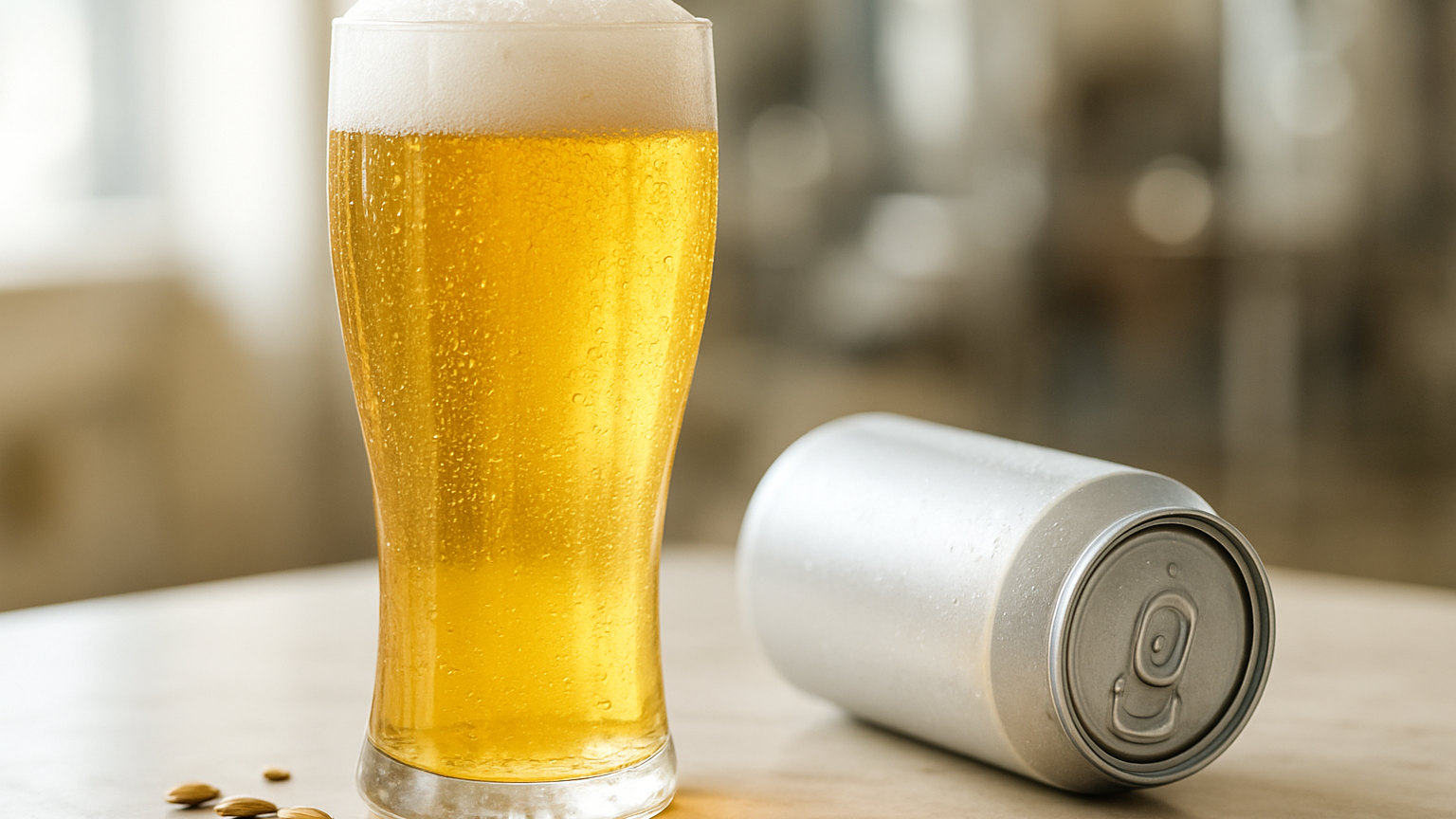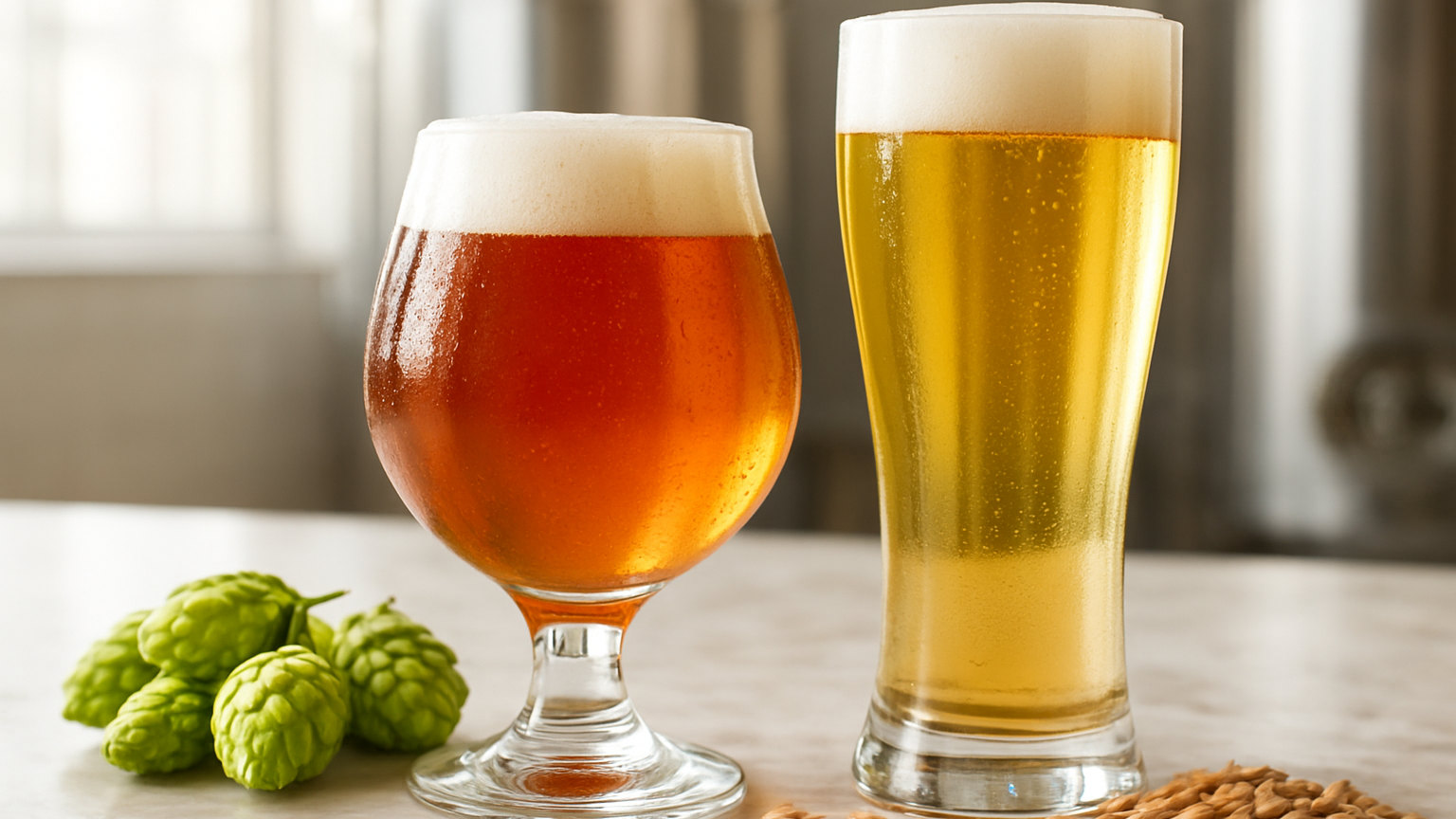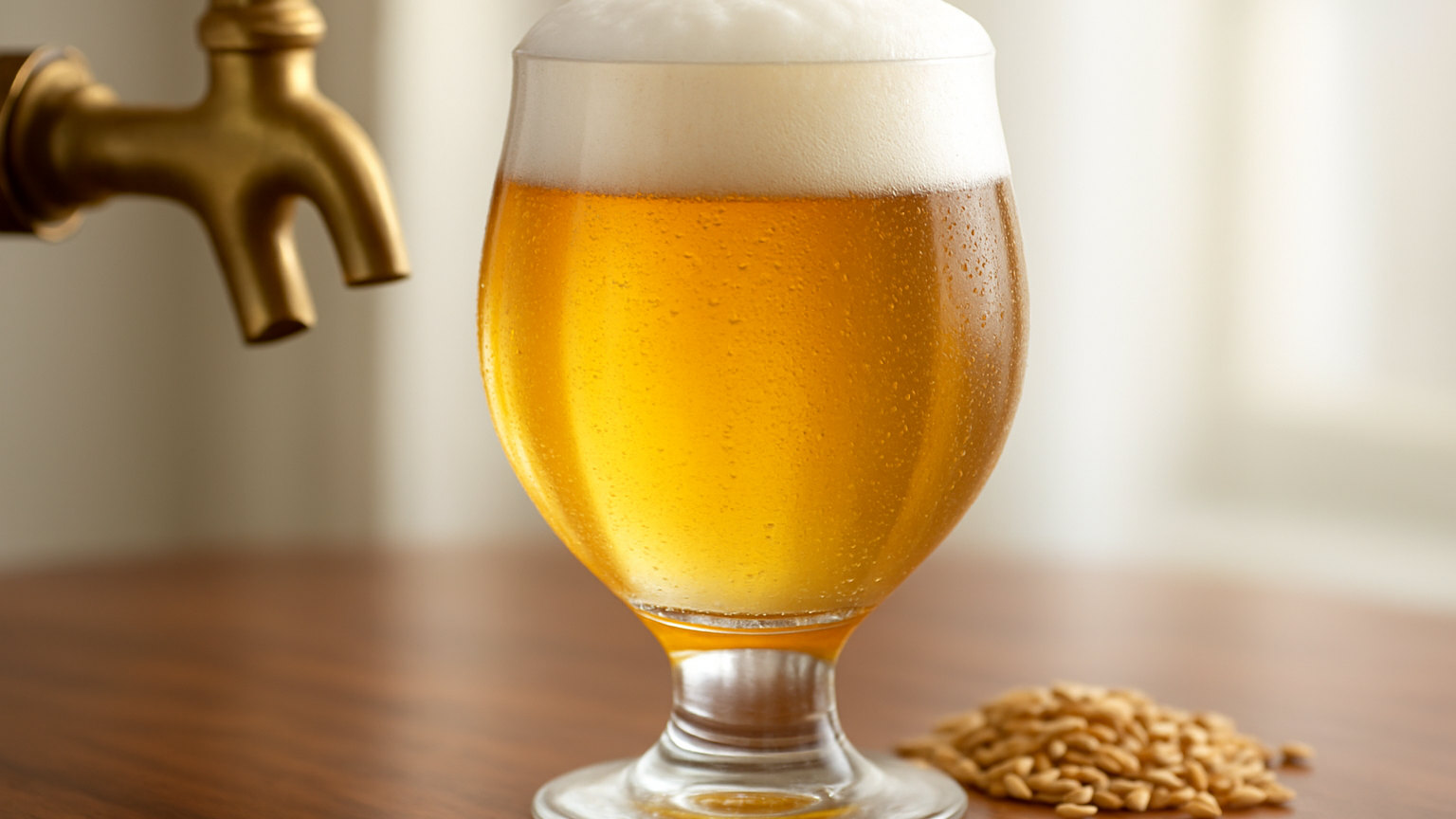
Foam on beer is one of the few things in drinking that is simultaneously functional, aesthetic and contentious. It carries aroma, protects the beer, changes the texture and, in a brim-measure glass, takes up space that some drinkers feel should contain liquid.
What it does
The most important function is aromatic. Volatile compounds from hops, malt and yeast concentrate in the foam and are released steadily as bubbles burst, which means the head is delivering smell to your nose throughout the drink rather than only at the first sip.
A beer poured without a head smells noticeably less, and since most of what we call flavour is smell, it tastes less too.
The head also forms a physical barrier between the beer and the air, slowing oxidation over the twenty minutes or so a glass takes to drink.
And it changes texture. Drinking through foam gives a softer, creamier mouthfeel, which is the entire point of nitrogen dispense and much of the appeal of a properly poured cask ale.
What creates it
Foam forms when carbon dioxide comes out of solution and is stabilised by compounds in the beer.
Proteins are the main stabilisers, particularly those from wheat and oats, which is why wheat beer produces such an enormous and durable head and why oats appear in styles built around texture.
Hop compounds contribute as well, and isomerised alpha acids from the boil are genuinely foam-positive, meaning a bitter beer tends to hold its head better than a sweet one.
Nucleation sites matter too. Carbon dioxide needs somewhere to form a bubble, and a perfectly smooth glass provides very few, which is why many modern beer glasses have an etched pattern on the base producing a steady stream of bubbles.
What destroys it
Fat and detergent, both of which disrupt the protein structures holding the foam together.
A glass washed in ordinary washing-up liquid and rinsed inadequately will kill a head within seconds. So will a glass dried with a tea towel that has been near fabric conditioner, or one that has held a creamy drink.
Lipstick and greasy food have the same effect, which is why a head sometimes collapses on one side of a glass and not the other.
Citrus oil does it too, which is the technical objection to putting a lemon wedge in a wheat beer.
Lacing
The rings of foam left on the inside of the glass as the level drops are called lacing, and they are a reasonable indicator of two things.
They show the glass was properly clean, since residue prevents foam adhering. And they indicate good head retention, which suggests a well made beer with sufficient protein and hop content.
Lacing is not a quality guarantee, but a beer that leaves clean rings down the glass has at least been served properly.
The measure argument
In Britain a pint is 568 millilitres, and a brim-measure glass filled with three centimetres of foam contains less than that.
Guidance generally treats a head as part of the pint provided the liquid reaches at least ninety five per cent of the measure. Lined glasses, marked with a pint line and space above it, resolve the tension entirely and are increasingly common.
In parts of the north where a dense head is standard, asking for a top-up is entirely normal and rarely causes offence.
The honest position is that both sides have a point: the head genuinely improves the beer, and a customer paying for a pint is reasonable to want a pint. A lined glass gives everyone what they want, and it is a wonder they are not universal.
Head by style
How much foam is correct depends entirely on what is in the glass. German wheat beer wants four or five centimetres, and a thin head suggests the pour was wrong or the glass was not clean.
Belgian ales and highly carbonated beers produce generous heads naturally. Cask ale in the south of England is served with a thin covering, while northern pubs use a sparkler to create a dense creamy one.
Nitrogen-dispensed stout produces the thickest head of all, and it is meant to. Judging a beer's head against a single standard misses that the styles were built with different expectations.