Beer is capable of accompanying a meal as well as wine does, and frequently better, since carbonation and bitterness handle fat and salt while the absence of tannin avoids most clashes. What tends to let it down is the way it is served.
Change the measures
The single most useful adjustment. A pint alongside each course is more beer than a meal calls for, and by the second course it stops being a pairing and becomes drinking.
Serve thirds or halves instead, or share large bottles between the table. Belgian ales and strong beers are frequently sold in 750 millilitre bottles precisely because they are meant to be poured for several people.
Smaller measures also keep the beer at the right temperature, since a large glass warms steadily through a course.
Use proper glasses
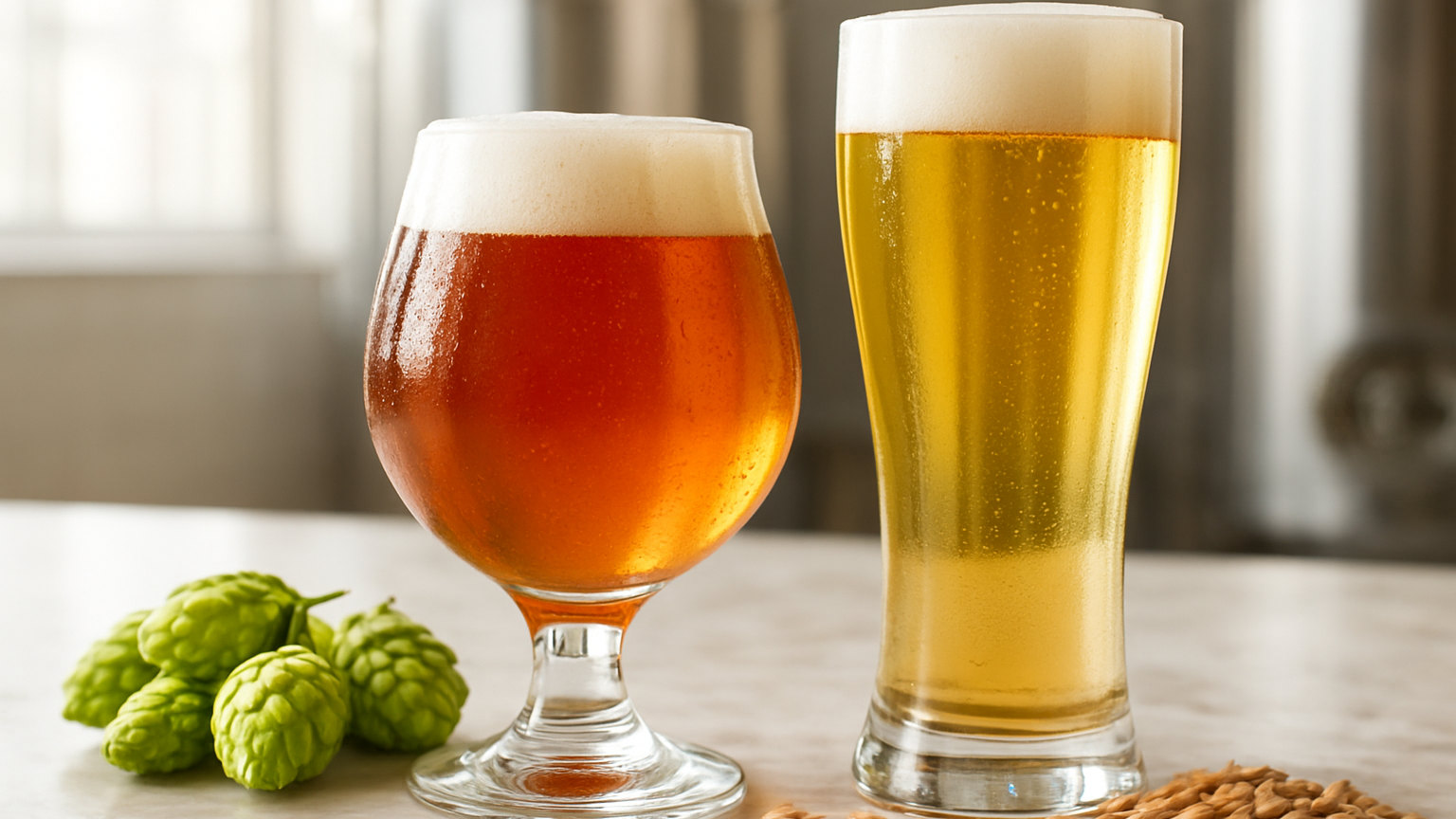
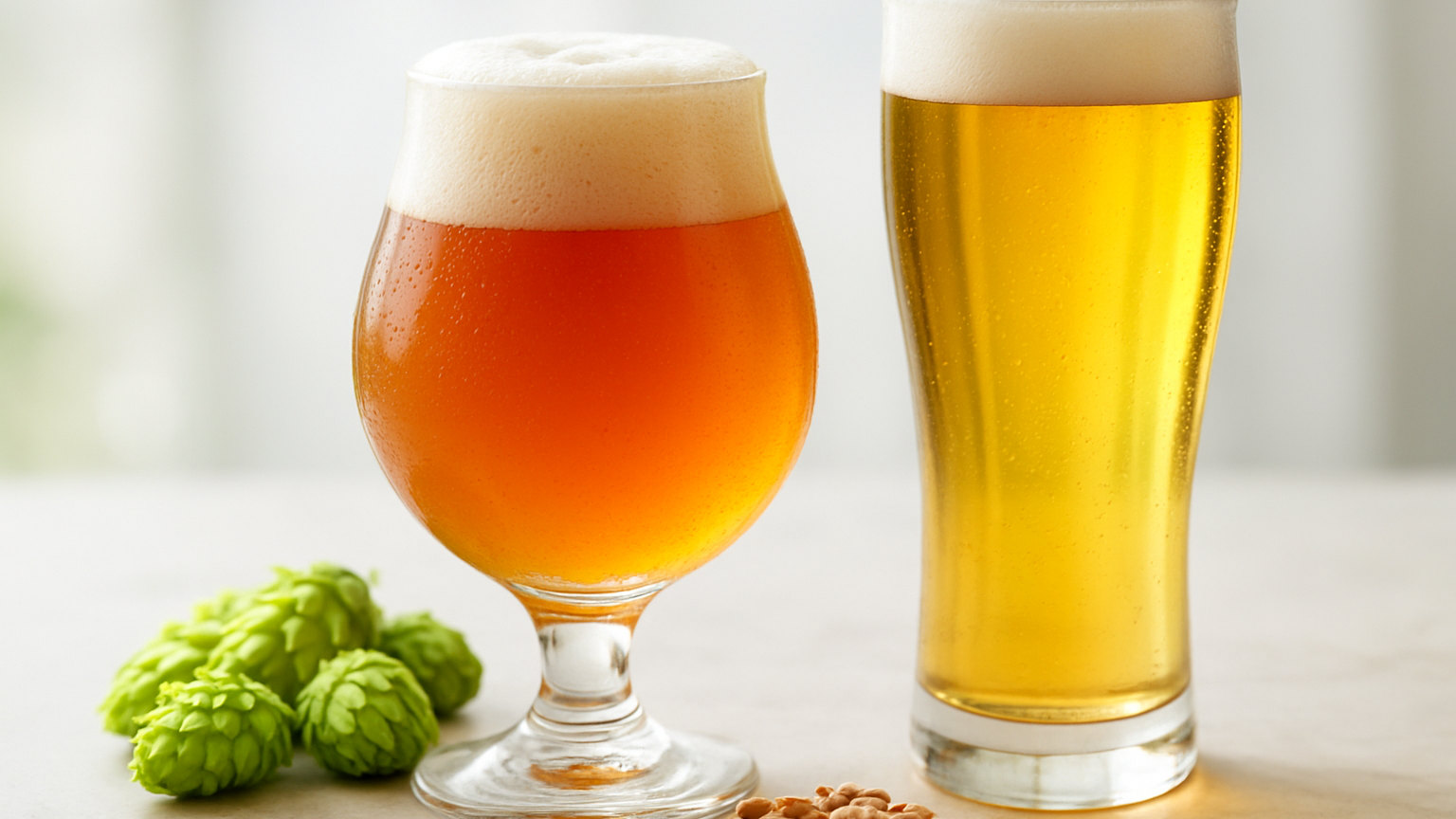
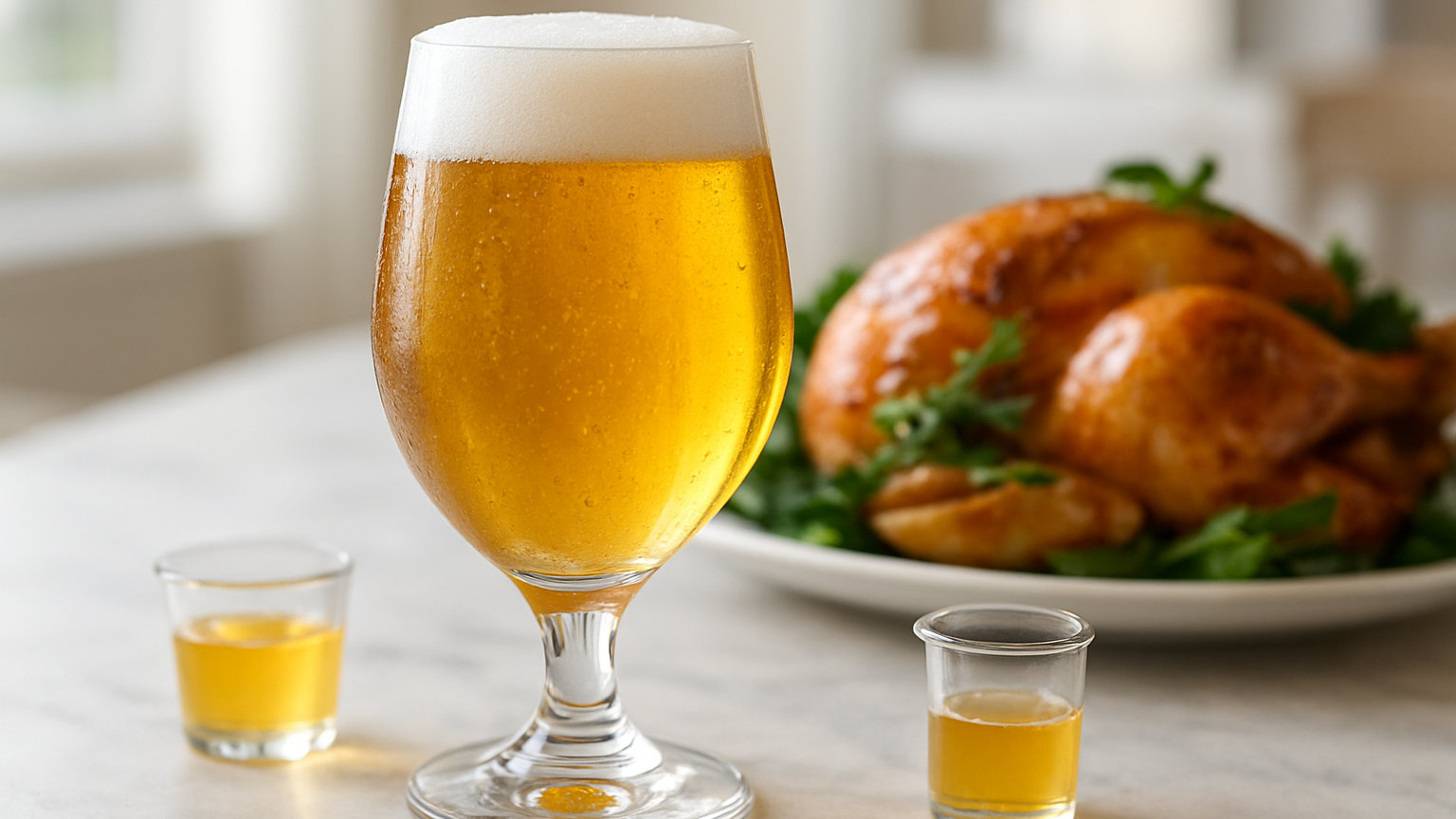
A stemmed tulip or a small wine glass suits beer at a table better than a pint glass, for the same reasons it suits wine: it concentrates the aroma, it looks appropriate on a laid table, and it encourages a sensible pour.
Fill no more than two thirds, leaving headspace for the aroma to gather.
Wine glasses work perfectly well if you have no beer glassware, and using them removes the impression that beer is the informal option.
Get the temperature right
Most beer served with food is served too cold, since it comes from a fridge set for lager.
Pale and hoppy beers want seven to ten degrees, ambers and bitters eight to twelve, stouts and porters ten to thirteen, and strong dark beers twelve to fourteen.
Taking a bottle out fifteen minutes before the course arrives is usually enough, and it makes a substantial difference to how the beer sits alongside the food.
The order across courses
The same principles as wine. Light before heavy, dry before sweet, low alcohol before high, and anything intensely hoppy or sour later rather than earlier, since both dominate what follows.
A workable sequence might run a pilsner or wheat beer with a starter, a bitter or amber ale with a main, and a stout or barley wine with cheese or pudding.
Sour beer is the exception worth placing deliberately: gueuze works superbly as an aperitif and with rich food, and its acidity will make anything gentler served afterwards seem flat.
How many beers
Two or three across a meal is plenty, and fewer is often better. A single well chosen beer served in modest measures throughout is a perfectly respectable approach and considerably easier to manage.
If you are serving several, buy one bottle of each rather than multiples and pour small measures, which lets everyone try them without anyone drinking a great deal.
Opening and pouring at the table
Bottle-conditioned beers should stand upright for a day beforehand so the sediment settles, then be poured steadily in one movement, stopping before the yeast reaches the neck.
Highly carbonated Belgian ales need a patient pour in stages, and a corked bottle should be opened carefully with a hand over the cork, since the pressure can be substantial.
Pour with enough vigour to raise a modest head, since the foam carries the aroma the pairing depends on.
None of this is elaborate, and together it moves beer from something opened in the kitchen to something served at the table, which is where a good deal of it belongs.
Serving beer to people who drink wine
The presentation does most of the work. A beer poured from a 750 millilitre bottle into stemmed glasses at the table reads entirely differently from the same beer handed over in a can.
Choosing styles with obvious food credentials helps too. A gueuze, a saison or a Belgian dubbel will convince a sceptical wine drinker faster than a hoppy IPA, since the acidity and the complexity are recognisable in terms they already use.
And say what it is and why you chose it, briefly. The argument for beer at the table is easy to make and almost never made, which is most of why it is still treated as the lesser option.