For roughly two decades, West Coast IPA was simply what IPA meant. Brilliantly clear, golden to amber, aggressively bitter, dry-finishing and smelling of pine and grapefruit, it was the beer that carried American craft brewing into the mainstream.
Then hazy IPA arrived and took the category almost entirely, and the older style went from default to niche within about five years. It is now returning, which makes it a useful case study in how quickly beer fashion moves.
What defines it
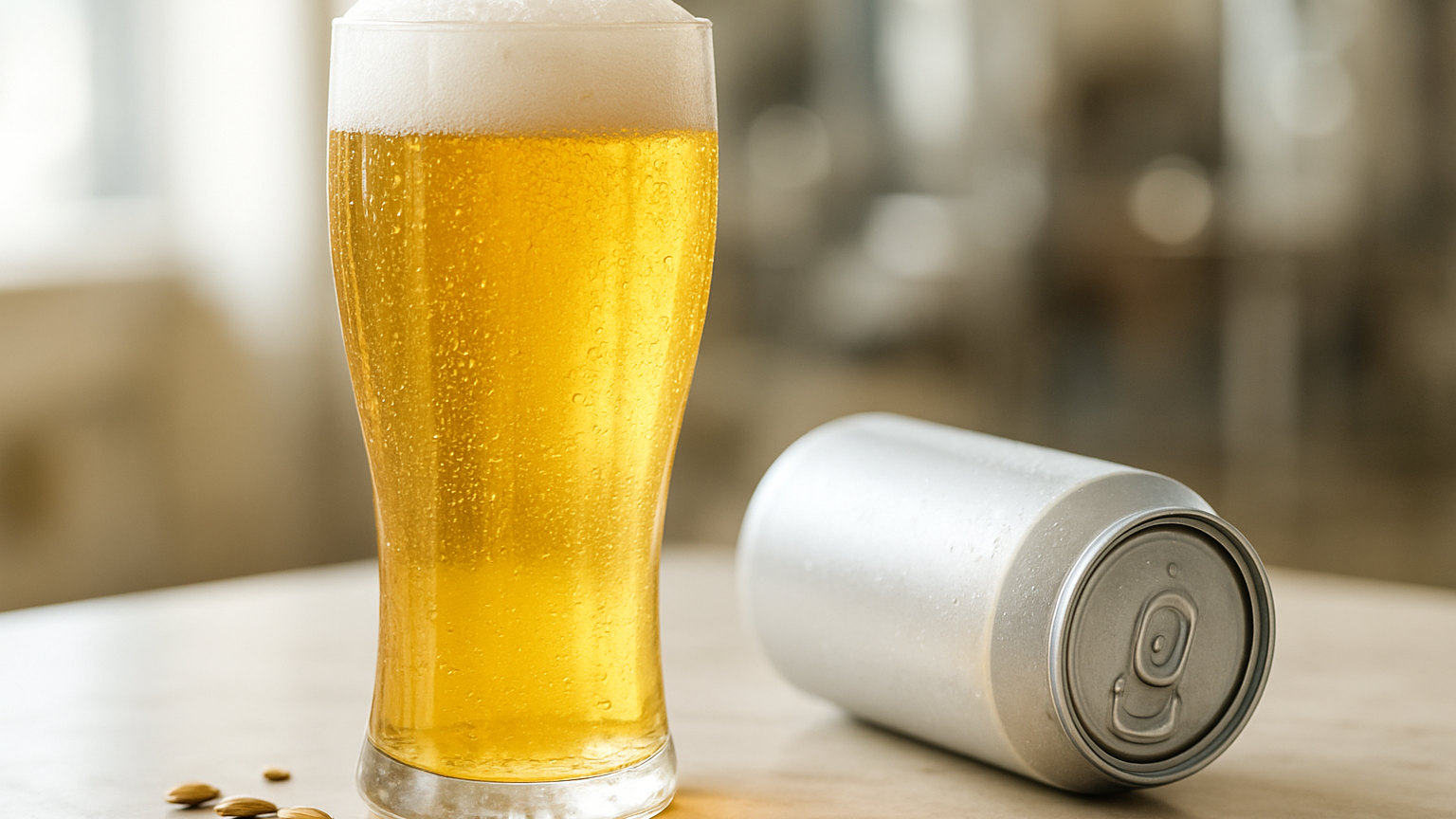
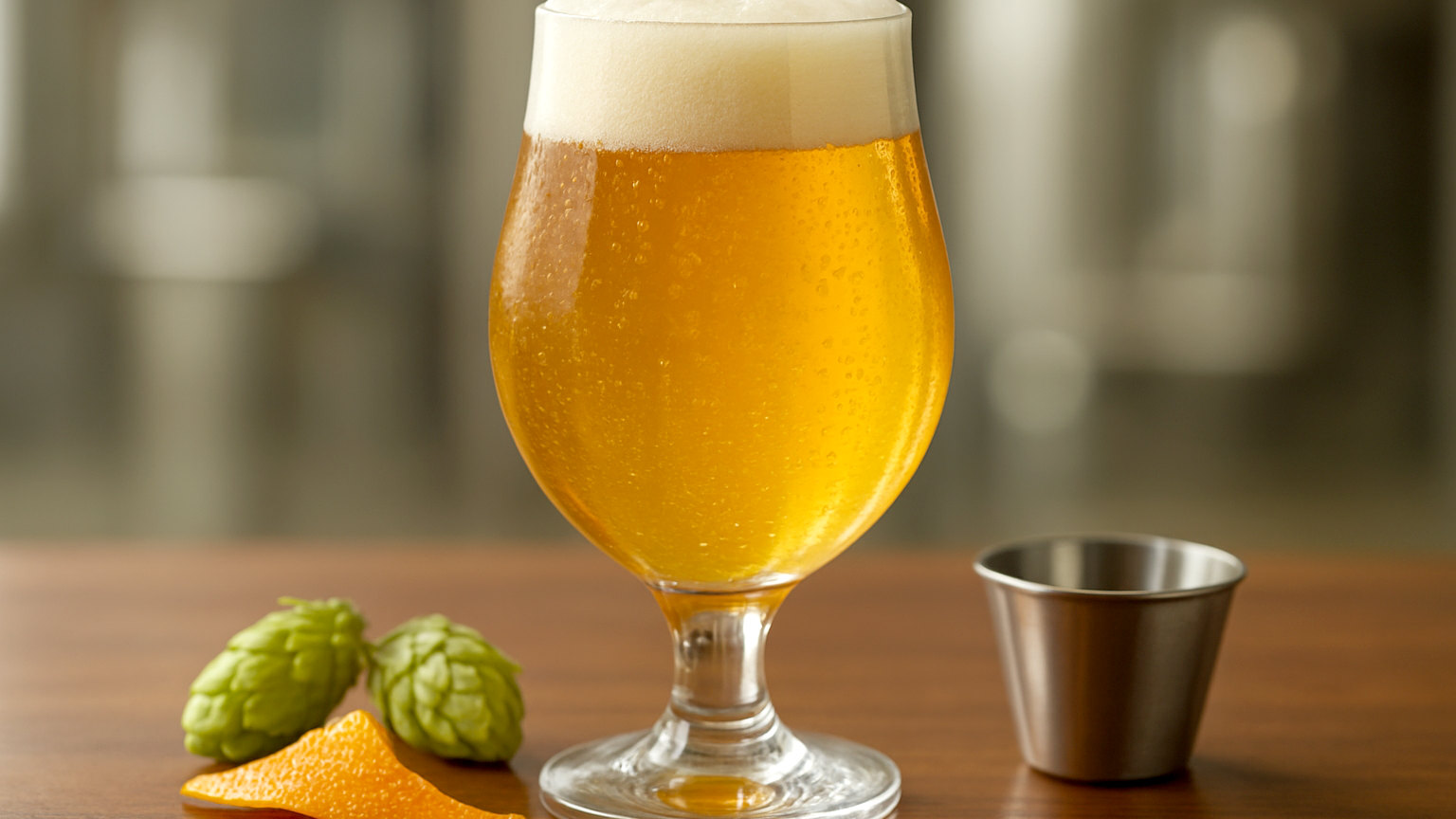
Clarity is the first thing. These beers are filtered or fined to brilliance, and the appearance was part of the point: a clear beer signalled technical competence and looked like a serious product.
The malt bill is simple and pale, designed to support rather than assert. Sulphate-heavy water chemistry accentuates hop bitterness and produces a crisp, dry finish, which is the opposite of the chloride-forward approach used for hazy beer.
Bitterness is firm and sits in the fifties to seventies on the standard scale, with a finish that cuts cleanly rather than lingering sweetly. Hop character runs to pine, resin, grapefruit pith and a dank quality that enthusiasts specifically look for.
The overall impression is of a lean, bracing, uncompromising beer, and it was never intended to be gentle.
Why it lost ground
Hazy IPA offered intense hop aroma without the bitterness, which turned out to be what a large number of drinkers actually wanted. The astringency of a strongly hopped West Coast beer is an acquired taste, and the hazy style removed the barrier to entry.
Softness, sweetness and tropical fruit are also simply more immediately appealing to more people, which is a commercial fact rather than a judgement.
There was a technical dimension as well. Hazy beer conceals minor imperfections behind its opacity and intensity, while a clear, dry, bitter beer exposes everything, which made the older style harder for new breweries to execute well.
The revival
Several things have driven the return. Drinkers who worked through years of hazy beer began wanting something drier and more refreshing. Brewers who had spent a decade making one style grew interested in the discipline of another.
The modern versions are not straightforward reproductions. Many combine the classic dry, clear, bitter framework with contemporary hop varieties, producing beers with tropical and citrus aroma over a firmly bitter base. Some are lower in alcohol than the originals and considerably drier still.
The pattern resembles what happened with lager: a style dismissed as unfashionable turns out to be technically demanding and genuinely good, and returns once the novelty of its replacement has worn off.
How the two compare in practice
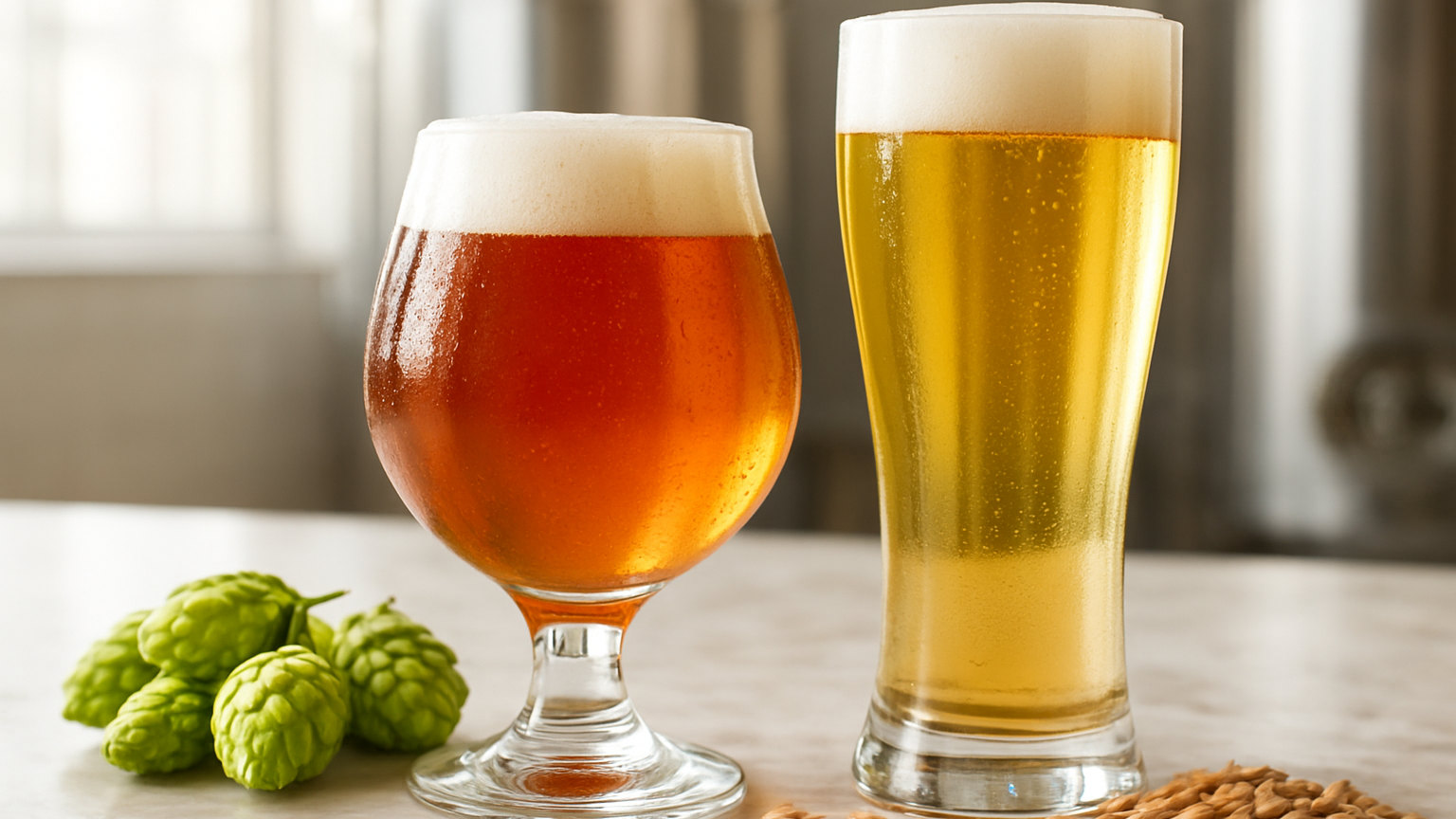
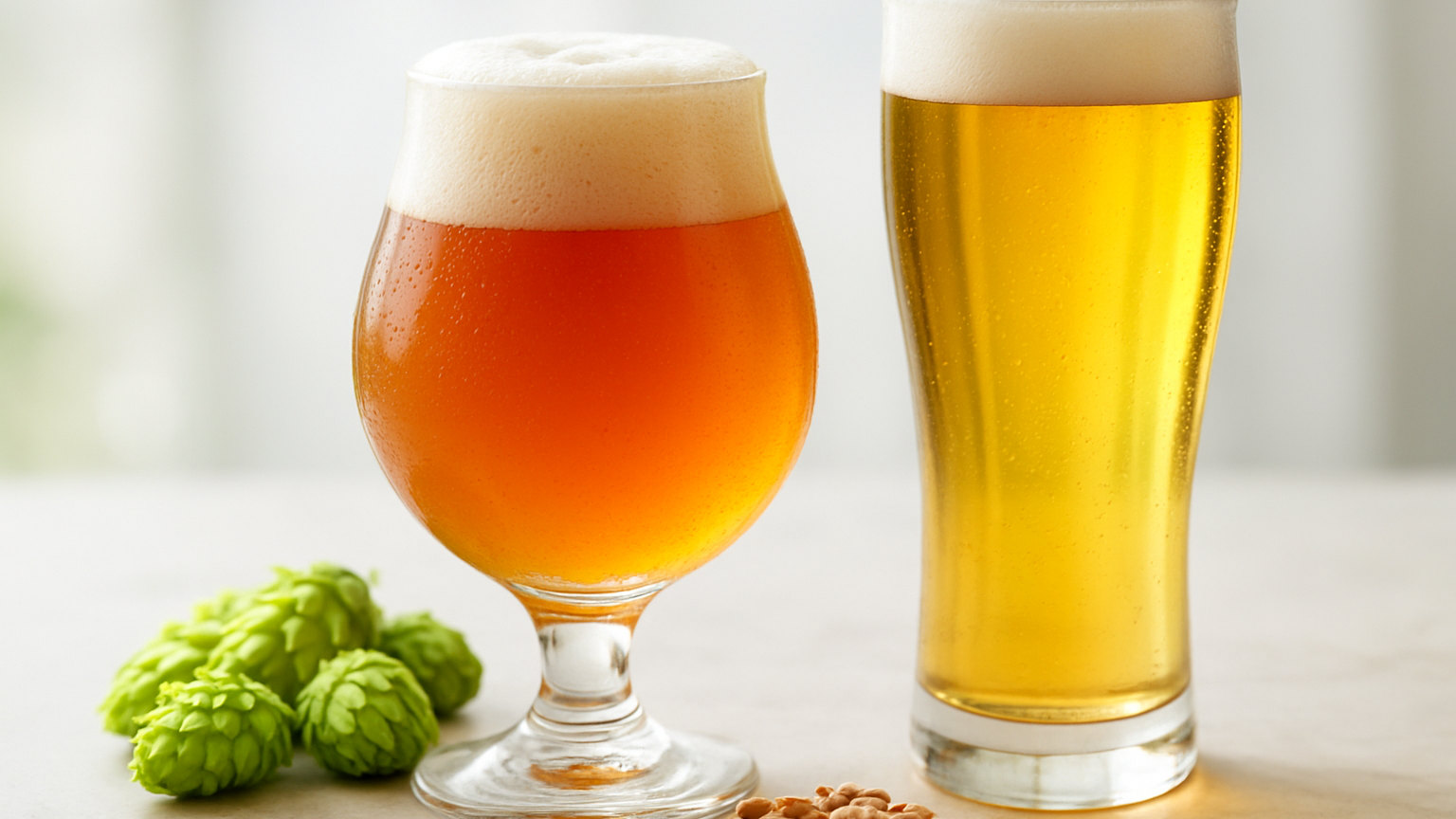
Hazy IPA is soft, full-bodied, low in bitterness and intensely aromatic, best drunk very fresh and often described as juicy. West Coast IPA is lean, dry, bitter and resinous, holds up rather better over time, and finishes cleanly enough that a second is appealing.
At the table they behave differently too. The dryness and bitterness of a West Coast beer cut through fat effectively, making it a considerably better match for rich and fried food. Hazy IPA, being sweeter and softer, works less well with food and better on its own.
Which to try
If your only experience of IPA is hazy, a well made West Coast example is worth trying specifically because it is so different. Expect to find it sharper and less immediately pleasing, and give it a full glass before judging.
The reverse also applies. A drinker who dismissed IPA years ago on the grounds that it was punishingly bitter may find the modern hazy style unrecognisable.
Buying one of each fresh and drinking them on the same evening is the quickest way to work out which set of qualities you actually want, and the answer is frequently not the one people expect.
The lesson in the cycle
The rise and partial return of West Coast IPA is a useful reminder that beer fashion moves faster than beer quality changes. Nothing about the style got worse when hazy IPA arrived; it simply stopped being what people wanted to order.
The same pattern applied to lager, to mild and to brown ale before it. Styles fall out of favour, survive in the hands of a few producers who never stopped, and return when a new generation encounters them without the associations that pushed them aside.