IPA is frequently described as a versatile food beer, and it is less versatile than the reputation suggests. Its defining characteristics, high bitterness and often high alcohol, are both assertive, and they clash with more dishes than they complement.
Used deliberately it works well. Used as a default it produces some genuinely poor combinations.
The curry question
The most repeated IPA pairing is with spicy food, and the science argues against it.
Capsaicin heat is amplified by both alcohol and bitterness. A strongly hopped IPA at six per cent therefore intensifies the burn rather than relieving it, and the combination of hop astringency and chilli can be genuinely unpleasant.
What tempers chilli is sweetness, fat and lower alcohol. A lager, an off-dry riesling or a lassi all work better than a bitter IPA, and the traditional pairing in India itself is a light lager rather than anything hoppy.
There is a partial exception. Hazy IPA, with its low bitterness and residual sweetness, handles moderate spice considerably better than a West Coast style, and its tropical fruit character sits well alongside Thai and Vietnamese food.
The historical justification, that IPA was drunk with curry in India, does not hold either, since the beer was drunk by colonial administrators eating largely British food.
Where it genuinely works
Fat and salt are the natural partners. Bitterness cuts through richness in the way acidity does in wine, and carbonation lifts grease off the palate.
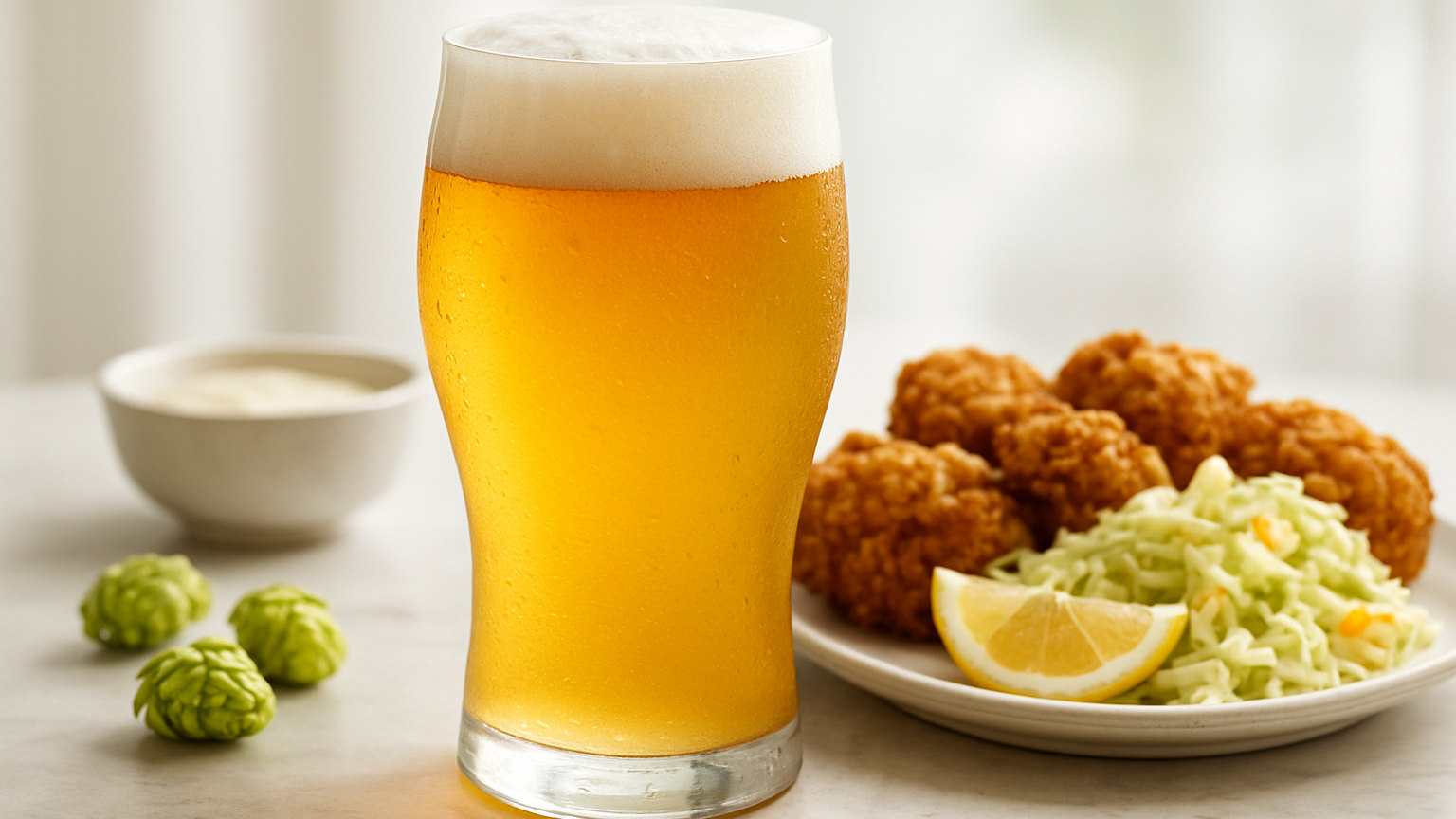
Burgers, fried chicken, chips, pizza, barbecue and anything charred or caramelised all suit IPA well. The Maillard flavours from browning meet the malt, and the hops handle the fat.
Aged and strong cheeses work particularly well. Mature cheddar with a West Coast IPA is excellent, and blue cheese suits a double IPA where the sweetness and bitterness both meet the cheese's intensity.
Rich, fatty fish such as salmon can take a moderately hopped IPA, though delicate white fish cannot.
What to avoid
Delicate food is flattened. Steamed fish, salads, subtle poultry and light cheese have no chance against a strongly hopped beer.
Sweet desserts are difficult, since bitterness against sugar produces a metallic clash. The exception is fruit desserts with a hazy IPA, where the tropical character can echo the fruit.
Very hot dishes, as above, are a poor match for the bitter styles.
Matching the style to the plate
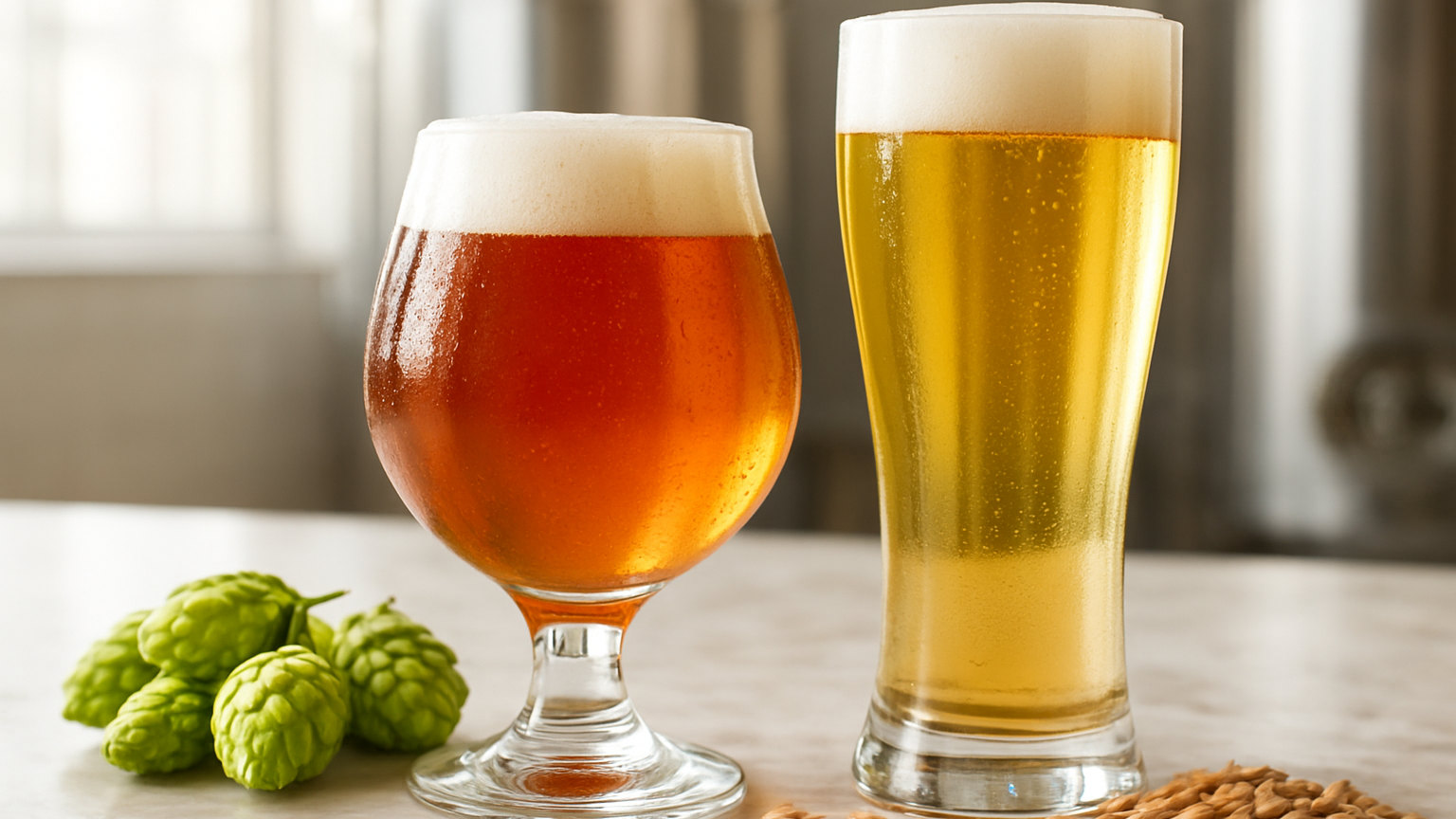
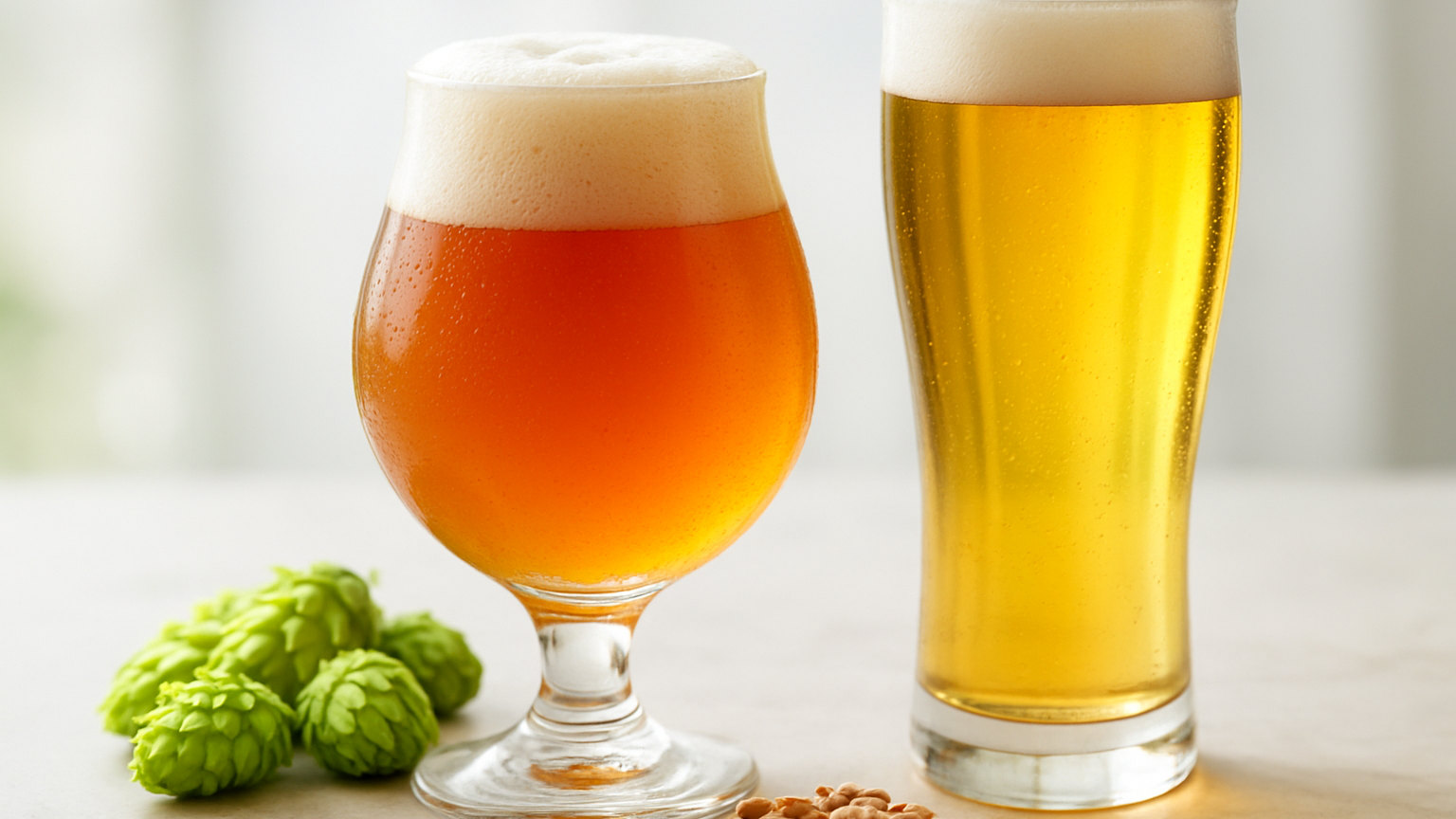
West Coast IPA, being dry and firmly bitter, is the better food beer of the two main styles. It cuts through fat, cleanses the palate and finishes cleanly, which is exactly what a rich dish needs.
Hazy IPA is sweeter, softer and lower in bitterness, which makes it a poorer cutting agent but a better companion to spice and to fruit-forward dishes. It is also, frankly, a better beer on its own than at a table.
Session IPA suits lighter food and works as an all-purpose accompaniment where a stronger beer would dominate.
Double IPA is difficult with most food and best treated as a beer to drink on its own or with strong cheese.
The broader principle
Match intensity to intensity, use bitterness against fat and salt, and use sweetness against heat. IPA excels at the second and is poor at the third, which is the opposite of what its reputation suggests.
Knowing that saves a good deal of disappointment, and it explains why the beer that dominates craft menus is so often the wrong choice when food arrives.
A better default
If a bar has a wide range and food is arriving, a pilsner, a saison or a British bitter will handle a mixed table better than an IPA. All three have enough acidity or bitterness to cut fat without the intensity that overwhelms delicate dishes.
That is not an argument against IPA, which is an excellent beer to drink on its own. It is an argument for treating it as a beer with a purpose rather than as a default order, in the same way that a heavily oaked chardonnay is a fine wine and a poor automatic choice.