Because IPA sells, brewers attach the term to almost anything hop-forward, which has produced a set of variants that contradict the name in one respect or another. Several are worth knowing about, and their fortunes say something about how beer fashion works.
Black IPA
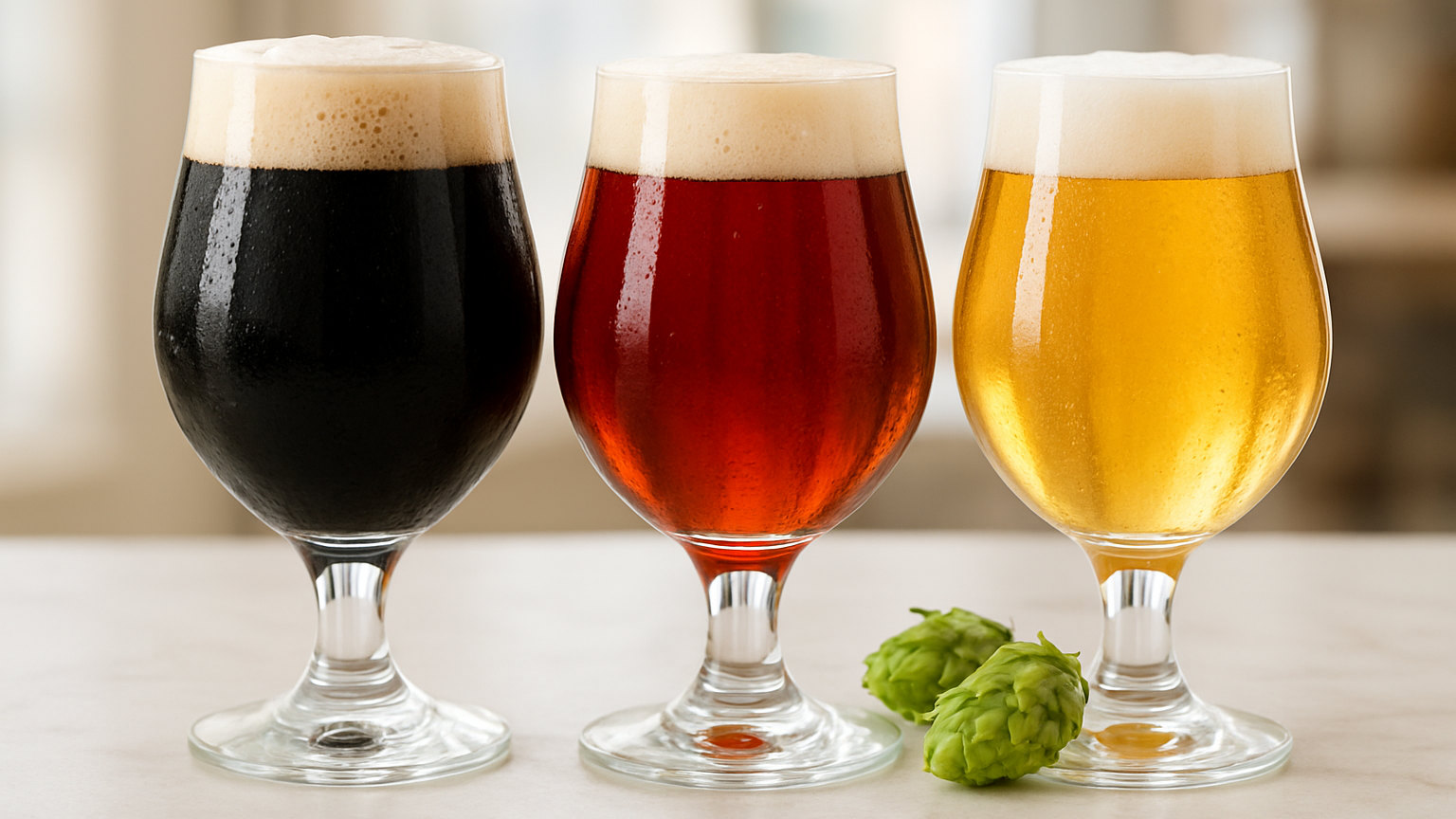
Dark in colour, hoppy in character, and a contradiction in terms that its supporters resolved by proposing alternative names including Cascadian dark ale, none of which stuck.
The technique involves debittered dark malts, which supply colour without the roasted bitterness that would clash with hop bitterness. The result should taste like an IPA with a faint chocolate and coffee shadow rather than like a hoppy stout.
It enjoyed a fashion around a decade ago, largely disappeared, and is periodically revived. When well made it is genuinely interesting, and the difficulty of balancing roast against hop bitterness is why so few brewers persist with it.
Red IPA
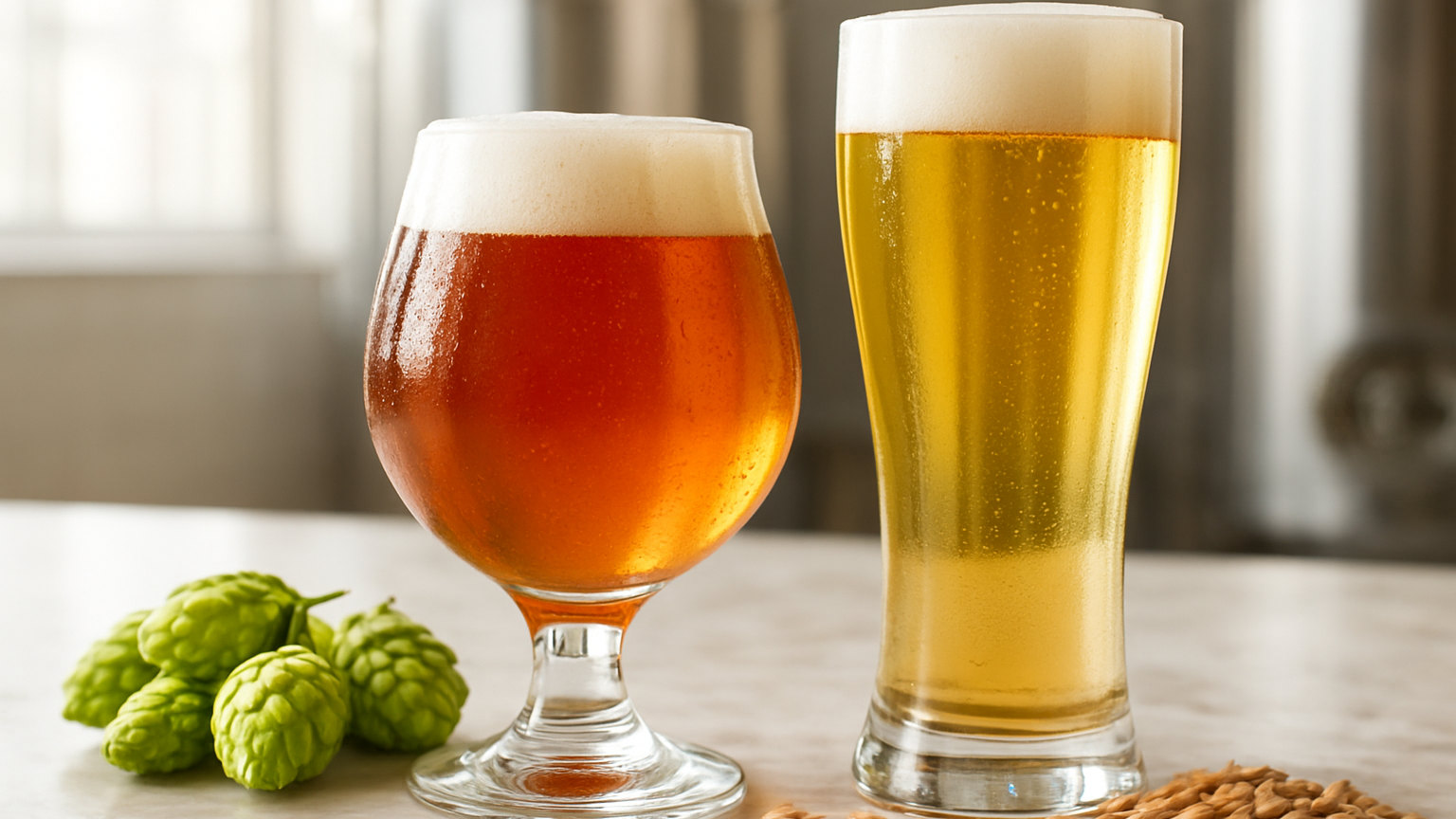
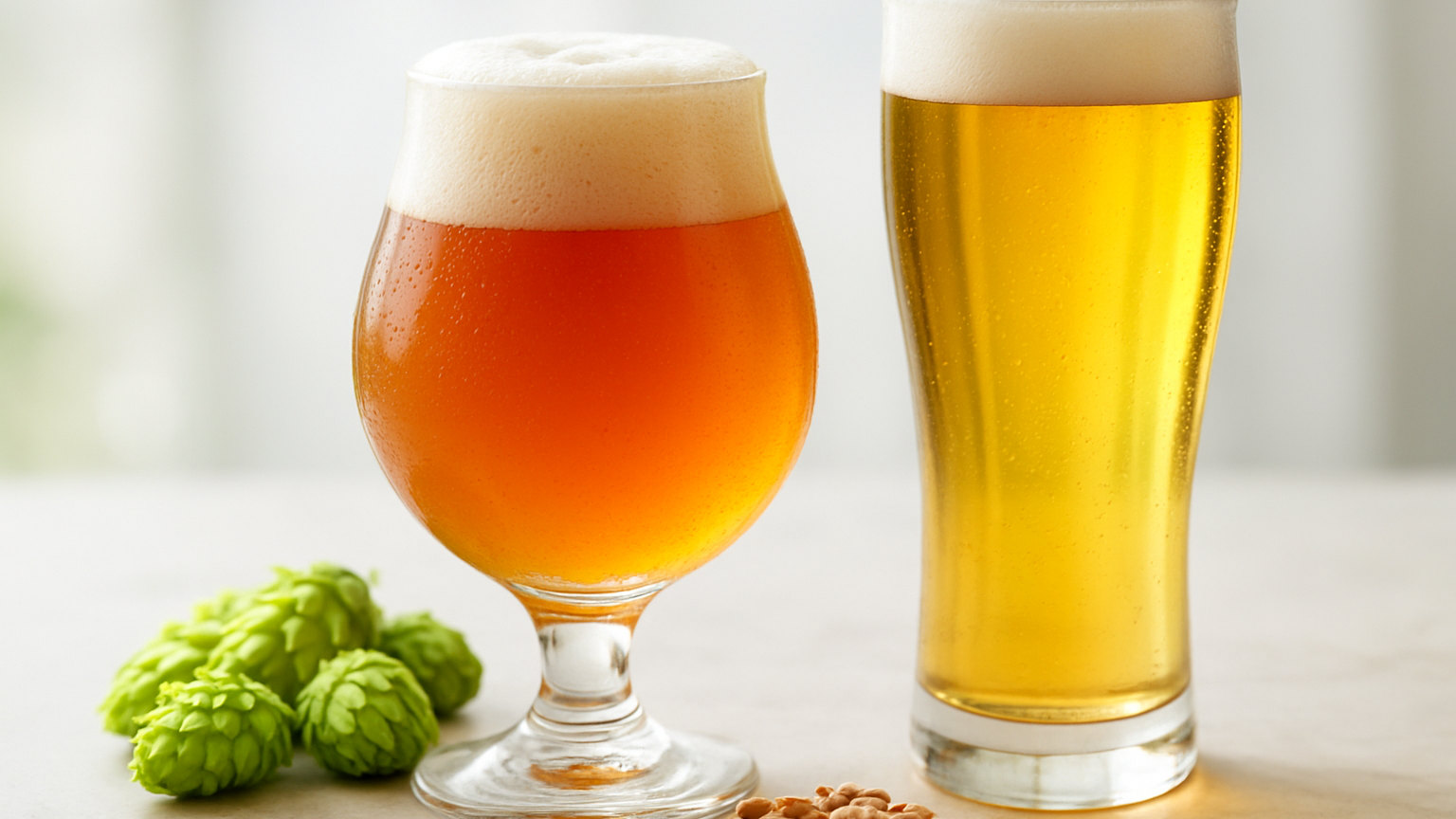
Amber to deep red, using crystal and caramel malts for colour and a toffee sweetness beneath the hops. It is essentially the middle ground between an American amber ale and an IPA.
The malt sweetness gives the hops something to push against, which makes red IPA more balanced and less aggressive than a pale equivalent at the same bitterness. It has never been fashionable and has never gone away, which is a reasonable position for a beer style.
Brut IPA
The clearest example of a style that arrived, spread rapidly and largely vanished. Developed around 2018, it uses an enzyme that breaks down dextrins the yeast cannot normally ferment, producing a beer with essentially no residual sugar at all.
The result is bone dry, light-bodied, highly carbonated and pale, with hop aroma sitting over almost nothing. The comparison with champagne was made constantly and was not unreasonable.
It was interesting and difficult to drink much of, since dryness that extreme becomes wearing. Within about two years most breweries had stopped making it, though the technique remains useful and appears in other contexts.
Milkshake IPA
Hazy IPA with lactose added for sweetness and body, frequently with fruit purée and vanilla. It is sweet, thick and closer to a dessert than to a traditional beer.
Opinions divide sharply and both positions are defensible. It is undeniably a long way from anything called IPA historically, and it is also genuinely popular.
One practical point: lactose is a milk sugar, so these beers are not suitable for anyone avoiding dairy, and the label should say so.
Cold IPA
The most recent significant variant, emerging around 2020. It uses lager yeast fermented warm, with rice or maize in the grain bill to lighten the body, producing a beer that is dry, clean and crisp while carrying full IPA hop levels.
The idea is to strip away malt character entirely so the hops have nothing competing with them. It has been received considerably better than brut IPA and looks likely to persist, partly because it addresses a genuine gap between hazy and West Coast styles.
The others
Belgian IPA uses Belgian yeast strains for spicy, peppery character alongside the hops. White IPA combines wheat beer and IPA. Rye IPA adds rye for a dry, spicy edge. Triple IPA pushes past ten per cent.
Sour IPA, hopped and deliberately acidic, exists and divides opinion more than most.
How to approach them
Treat the qualifier as the important word and IPA as a general indication that the beer is hoppy. Black tells you to expect roast, red tells you to expect caramel malt, cold tells you to expect dryness, milkshake tells you to expect sweetness.
Most of these variants are worth trying once and few are worth seeking out regularly, which is the normal fate of a variation on an established style. The ones that last, like red and cold IPA, generally do so because they solve a problem rather than because they were novel.
Why brewers keep inventing them
Two pressures drive it. Craft beer sells partly on novelty, and a brewery releasing something new gains attention that a consistent core range does not.
The other pressure is genuine curiosity. Brewing is a technical craft and the people doing it enjoy problems, which is why techniques like enzyme-driven dryness and lager yeast fermented warm get tried at all.
The result is a steady churn in which most variants disappear and a few become permanent. That is a reasonable way for a category to develop, provided drinkers treat the label as a description rather than a promise.