Beer is more perishable than wine and is generally stored with less care. A case bought on offer and left in a warm kitchen for four months will be noticeably worse than the same beer kept cold in a cupboard, and neither costs anything to arrange.
Temperature
The most important factor. Staling reactions accelerate substantially with heat, and beer kept warm ages several times faster than beer kept cool.
Somewhere between about ten and fifteen degrees suits most beer for medium-term storage, and stability matters as much as the figure. A cupboard on an internal wall, an understairs space or a cool spare room all work.
What to avoid is a warm kitchen, anywhere near an oven or a radiator, a conservatory, a loft or an uninsulated garage in summer. All produce either sustained heat or large swings.
Light
Light damage produces a distinct skunky aroma and happens quickly. Direct sunlight can affect a clear bottle within minutes, and shop or kitchen lighting does the same over days.
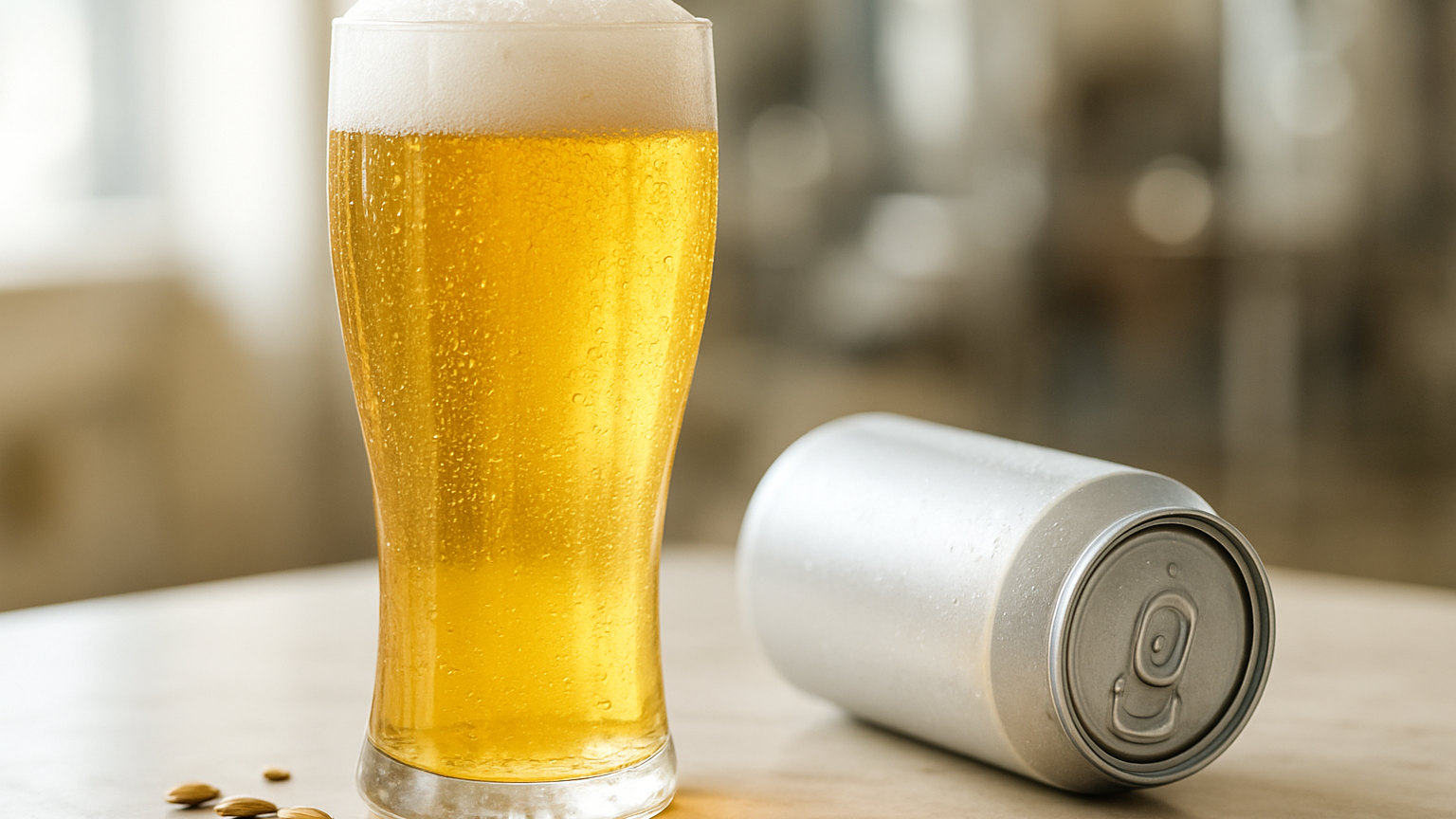
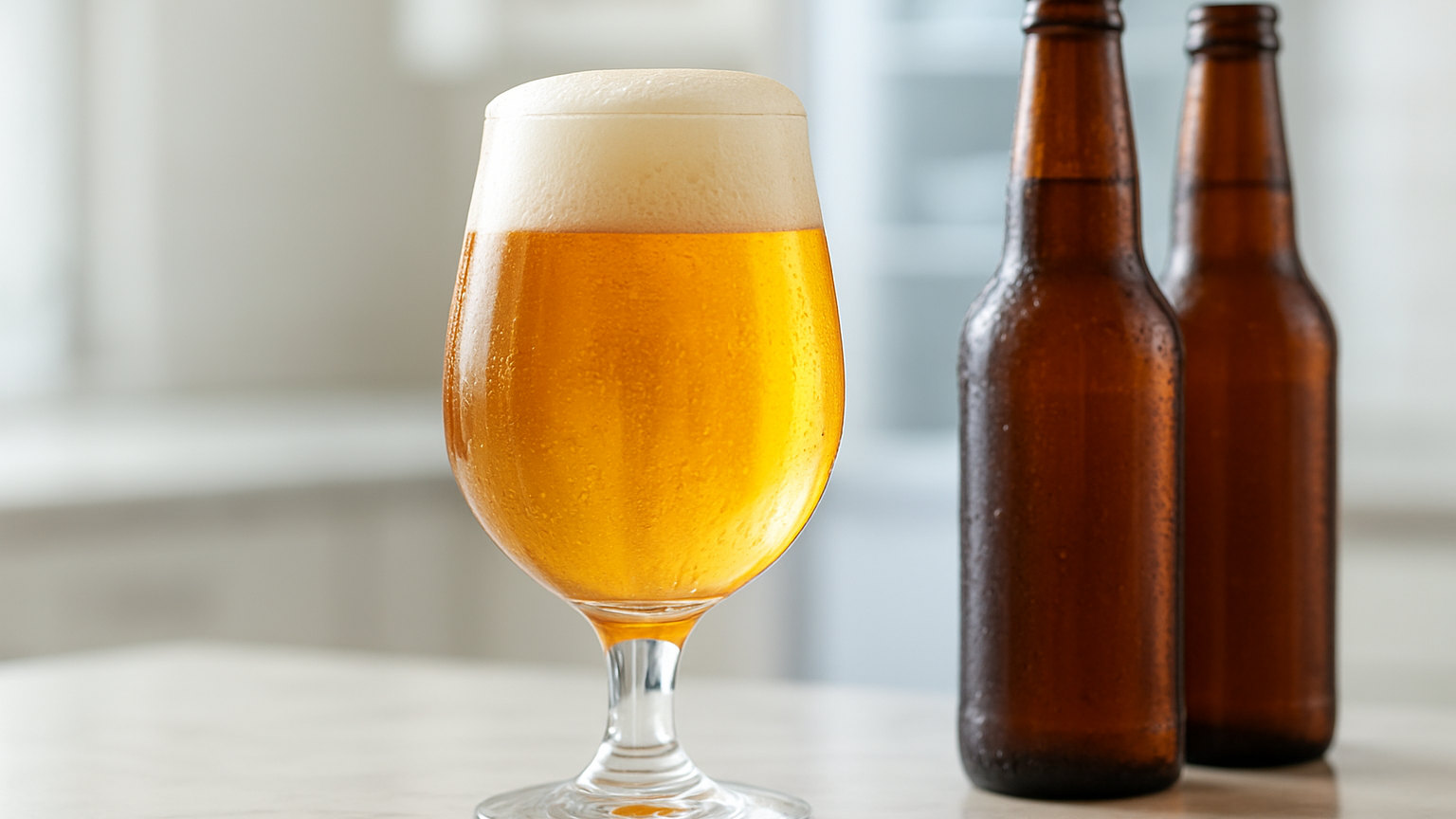
Cans are immune, brown glass offers good protection, green glass much less and clear glass essentially none.
Keeping beer in a cupboard, in its box, or in the fridge solves it entirely. A rack of bottles displayed on a sunny worktop is the worst arrangement in the house.
Upright, not on the side
This is the opposite of wine, and the reasoning is different.
Beer gains nothing from contact with a closure. Storing upright reduces the surface area of beer exposed to the small volume of air in the neck, which slows oxidation.
It also keeps any yeast sediment in bottle-conditioned beer settled at the base rather than smeared along the side, which makes pouring cleanly far easier.
What belongs in the fridge
Anything hoppy, and the sooner the better. Refrigeration dramatically slows the loss of hop aroma, so IPA, pale ale and pilsner all keep considerably better cold.
If fridge space is limited, prioritise hazy IPA above everything else, since it is the most fragile beer in normal production.
Strong dark beers, barrel-aged stouts and traditional sours do not need refrigeration and are better in a cool cupboard, where they can develop slowly.
How long things keep
Hazy IPA is best within four to eight weeks of packaging. Other hoppy styles hold for around three months. Lager and pilsner are best within three months, since delicate hop aroma fades.
Wheat beer should be drunk fresh, within a few months, as the yeast-derived aromas decline.
Stout, porter and malty ales last six months or more. Strong dark beers, barley wines and traditional sours can be kept for years and frequently improve.
A working routine
Buy hoppy beer in small quantities and often, rather than stockpiling. Put it straight in the fridge and drink it within weeks.
Keep a cool dark cupboard for everything else, and rotate so older cans get used first. Writing the purchase date on anything you intend to keep for years removes the guesswork later.
And accept the asymmetry: strong dark beer rewards patience and everything pale rewards haste. Treating all beer the same way is how good cans end up tasting of onions.
Serving from storage
Two habits complete the picture. Beer kept in a cool cupboard needs only a short time in the fridge before drinking, and beer kept in the fridge benefits from ten to twenty minutes out of it, since most styles show more at eight to twelve degrees than at four.
Bottle-conditioned beers with sediment should be stood upright for a day before opening so the yeast settles, then poured steadily in one movement, leaving the last centimetre behind unless the style calls for it.
Neither takes any effort, and between them they recover a good deal of what careless storage and serving would otherwise cost you.
The whole of it comes down to three habits: keep beer cool, keep it dark, and drink the pale things first. Everything else in this article is detail hanging off those three, and a household that manages them will get noticeably more from the same beer than one that does not.